BBC Issues Formal Apology Following BAFTA Awards Broadcast Controversy
Sky News interrupted its regular programming on Monday with a breaking news update, as presenter Gareth Barlow delivered an announcement from the BBC regarding significant backlash from Sunday's BAFTA Film Awards ceremony. The BBC has issued a formal apology for failing to remove a racial slur shouted during the prestigious awards event before transmission, confirming the offensive content would be deleted from the BBC iPlayer version.
Involuntary Tics During Live Broadcast
According to the Sky News reporter, the BBC's official statement acknowledged that some viewers of the awards ceremony may have heard "strong and offensive language" during the broadcast. The corporation clarified that "these arose from involuntary tics and, as explained at the ceremony, it was not intentional." The BBC added: "We apologise that this was not edited out prior to broadcast and it will now be removed from the version on BBC iPlayer."
Gareth Barlow proceeded to clarify that while the BAFTA awards were pre-recorded ahead of transmission, the racial slur was not initially removed before the program aired on Sunday evening. This editing oversight has sparked considerable controversy and public discussion about broadcast standards and disability awareness.
Incident During Award Presentation
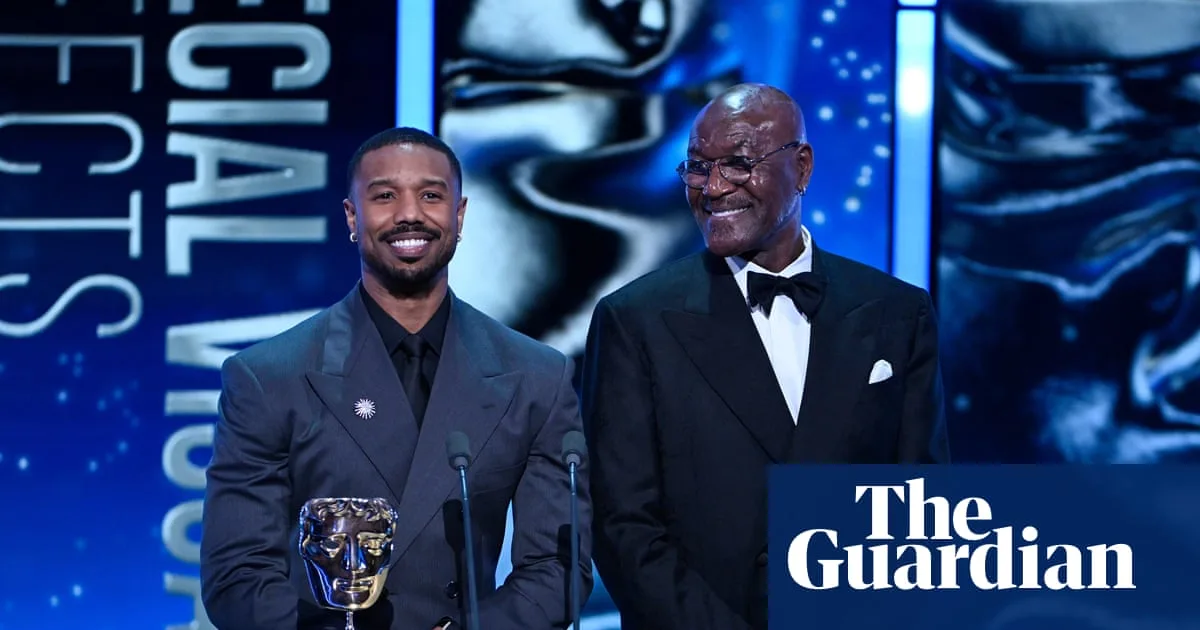
The incident occurred as the opening award was being announced during the ceremony broadcast on BBC television. Viewers reported hearing the N-word being shouted while Black actors and Sinners co-stars Michael B. Jordan and Delroy Lindo were speaking on stage. The individual responsible for the outburst was identified as John Davidson, who featured in the biographical film I Swear.
Davidson lives with Tourette's syndrome and actively campaigns to increase public understanding of the neurological condition, according to reports from the Express newspaper. Despite the disruptive outburst, Jordan and Lindo continued with their presentation after barely hesitating, demonstrating professional composure under difficult circumstances.
Ceremony Response and Aftermath
Variety magazine later reported that Davidson subsequently left the ceremony of his own accord following the incident. Leading up to that moment, he had also shouted "shut the f*** up" and "boring" while BAFTA chair Sarah Putt was delivering her speech earlier in the evening.
During the ceremony itself, BAFTA presenter Alan Cumming directly addressed the incident for the audience. He explained: "You may have heard some strong and offensive language tonight. If you have seen the film I Swear, you will know that the film is about the experience of a person with Tourette's syndrome. Tourette's syndrome is a disability, and the tics you've heard tonight are involuntary, which means the person who has Tourette's syndrome has no control over their language. We apologise if you were offended."
Understanding Tourette's Syndrome
The symptoms of Tourette's syndrome include both motor and vocal tics, which can sometimes involve involuntary swearing or coprolalia. This aspect of the condition remains widely misunderstood by the general public, despite affecting approximately one percent of the population according to medical estimates.
The BBC's failure to edit the content before broadcast has raised questions about production protocols for pre-recorded events featuring individuals with neurological conditions. The BAFTA Film Awards remain available to watch on BBC iPlayer, though the corporation has committed to removing the offensive language from the streaming version.
This incident highlights the complex intersection of broadcast standards, disability awareness, and editorial decision-making in modern television production. Both the BBC and BAFTA organizations now face scrutiny regarding their handling of sensitive content involving individuals with neurological conditions during major public events.