Baftas Face Mounting Pressure to Abandon Delayed Broadcast After Controversial Incident
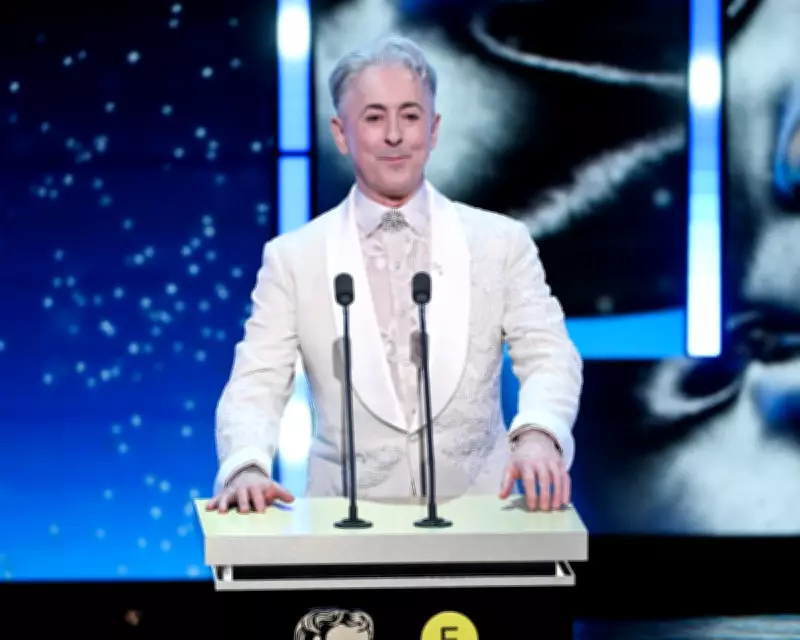
The 2026 Bafta Awards ceremony, hosted by Alan Cumming, has sparked renewed debate over its broadcasting format, with critics arguing that the current two-hour delay system is fundamentally flawed. Last night's event highlighted the challenges faced by editors who must condense a live ceremony into a pre-scheduled television slot, often resulting in awkward cuts and controversial decisions.
The Editing Dilemma and Its Consequences
Awards shows like the Baftas rarely adhere to strict timings, as A-list arrivals and unpredictable elements such as lengthy speeches or unexpected winners cause frequent overruns. Editors are tasked with trimming content to fit a broadcast window, leading to arbitrary exclusions. This year, the process was particularly problematic, with 12 of the 28 awards relegated to brief montages and precious minutes wasted on mundane moments like winners navigating stairs.
The ceremony's editing team faced a significant conundrum involving John Davidson, a Tourette syndrome advocate featured in the film I Swear. Davidson's involuntary tics, including heckling and the use of the N-word during a presentation by Michael B Jordan and Delroy Lindo, were retained in the broadcast. In contrast, a winner's "Free Palestine" statement was edited out, raising questions about editorial consistency and priorities.

Backlash and Calls for Change
The BBC has issued multiple apologies for the N-word incident, which has fueled backlash and prompted calls for reform. One proposed solution is to extend the delay or air the ceremony the following night to allow for more thorough editing. However, a growing chorus, including commentators like Stuart Heritage, advocates for the opposite approach: broadcasting the Baftas live.
Live broadcasting, as seen with the Oscars, offers an electrifying sense of immediacy and unpredictability. While it may include swear words or political statements, proponents argue that audiences are mature enough to handle such moments. The potential for spontaneous events, like onstage altercations, could inject excitement into an awards show that has often felt stale.
Practical Solutions and Future Prospects
If scheduling is a concern, the BBC could explore hybrid options, such as streaming the ceremony live on iPlayer while offering an edited version for traditional television viewers. With declining linear TV audiences, this approach might better serve modern viewing habits. Looking ahead, the Oscars' planned move to YouTube in 2029 suggests a shift towards digital platforms, which could pressure the Baftas to adopt similar changes and finally resolve its broadcasting muddle.
Ultimately, the Baftas must decide whether to cling to an outdated model or embrace live broadcasting to restore authenticity and engagement. As the debate continues, one thing is clear: the current system is no longer working for anyone involved.