Hollywood Icons Embrace Television Renaissance in Streaming Age
In a significant cultural shift, the brightest stars of Hollywood's golden era are increasingly finding their most compelling roles not on the silver screen, but on television sets across the nation. This migration represents a fundamental transformation in entertainment hierarchies, with veteran actors discovering unprecedented creative opportunities in streaming's prestige drama landscape.
Prestige Television Attracts Cinematic Royalty
The phenomenon is exemplified by Harrison Ford's nuanced performance in Shrinking, where the legendary actor portrays an octogenarian therapist grappling with personal demons and Parkinson's symptoms. Far from the whip-cracking heroics of Indiana Jones, Ford's television role demands emotional depth and vulnerability, showcasing dimensions rarely explored in his blockbuster film career.
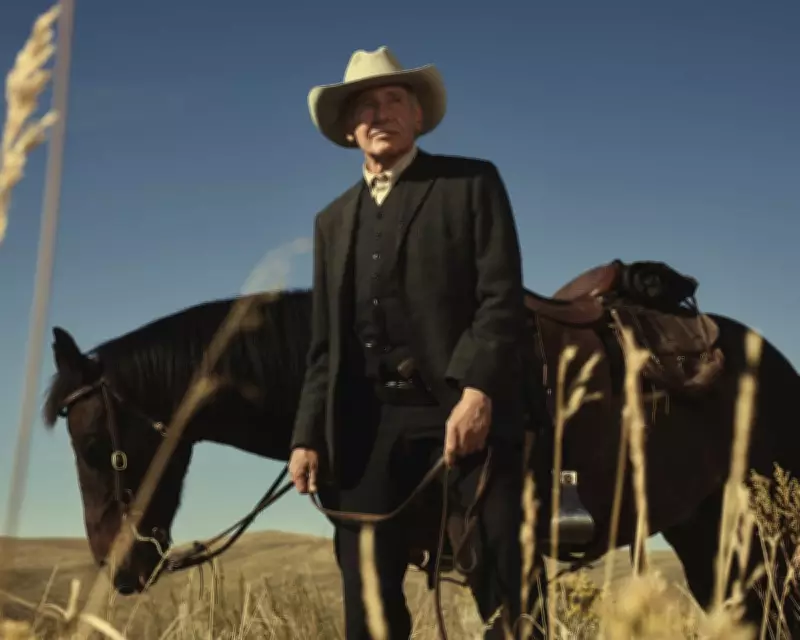
Similarly, Ford's collaboration with Helen Mirren in Paramount's 1923 demonstrates how streaming platforms are leveraging veteran star power. The Yellowstone prequel presents both actors as weathered patriarchs navigating the Great Depression's hardships, their cinematic gravitas elevating the historical drama's emotional resonance.

Breaking Hollywood's Television Taboo
This represents a dramatic departure from traditional industry attitudes. Historically, television was considered career purgatory for film stars, with notable exceptions like Barbara Stanwyck and Joan Collins facing industry skepticism for their 1980s television ventures. Today's landscape tells a different story entirely.
Meryl Streep's appearances in Big Little Lies and Only Murders in the Building demonstrate how prestige television now attracts cinema's highest echelons. Gary Oldman's critically acclaimed turn in Slow Horses as a dishevelled intelligence operative further illustrates how complex television writing provides veteran actors with character depth often absent from contemporary cinema.
Economic and Creative Drivers Behind the Shift
Multiple factors converge to explain this migration. The film industry continues grappling with post-pandemic financial constraints and production disruptions from recent strikes, resulting in fewer major releases and tighter budgets. Meanwhile, audiences increasingly prefer streaming convenience over cinema attendance, creating larger television viewerships.
Showrunner Taylor Sheridan has emerged as a particular champion of veteran talent, casting Kevin Costner, Billy Bob Thornton, and Sylvester Stallone across his Yellowstone universe. These productions offer substantial roles specifically written for mature actors, countering Hollywood's traditional tendency to sideline performers after middle age.
Persistent Gender Disparities in Ageing Representation
Despite progress, significant inequalities persist. While male actors like Jeff Bridges find substantive late-career television roles in productions like The Old Man, female performers continue facing disproportionate ageism. The entertainment industry's double standards were brilliantly satirised in Amy Schumer's Last Fuckable Day sketch, highlighting how women's careers remain constrained by appearance expectations long after male counterparts receive character-driven opportunities.
A Golden Age for Veteran Performers
For audiences, this represents an embarrassment of riches. Television benefits from decades of accumulated craft and star power, while veteran actors enjoy extended careers with complex material. The streaming era has effectively created a third act for Hollywood legends, allowing them to explore character nuances impossible in mainstream cinema's commercial constraints.
As Harrison Ford trades archaeological adventures for therapeutic complexities, and Meryl Streep moves between cinematic royalty and streaming comedy, a new paradigm emerges. This convergence of veteran talent and television ambition represents one of contemporary entertainment's most positive developments, proving that artistic reinvention knows no age limits when quality writing meets experienced performers.