From Moon Landings to Accidental Sexts: A Century of Unforgettable TV Moments
Television marks a remarkable centenary this year, having evolved from a novel luxury into a dominant cultural force that shapes our collective memory. To commemorate this milestone, the Guardian curated a selection of the most significant television moments from the past hundred years. We then invited our readers to contribute their own personal highlights, resulting in a rich tapestry of memories that span generations and genres.
Historical Landmarks and Cultural Shifts
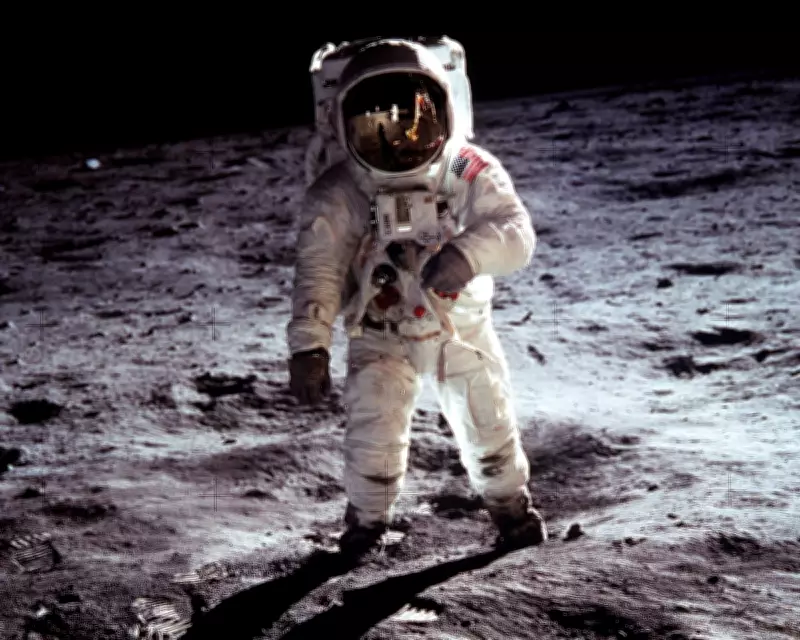
The earliest recollections often centre around television's role in broadcasting historic events. Phil Holliday, 78, from New Zealand, recalls his family purchasing their first Vidor television specifically to watch the 1953 coronation, sparking a lifelong fascination with broadcasting. Similarly, Laurie from the West Midlands remembers being woken by his father to witness the Apollo 11 moon landing in 1969, sharing a moment of awe on their black-and-white set that he describes as unforgettable.
Television has repeatedly served as a catalyst for social change. Ian Wright from Berlin highlights David Bowie's groundbreaking 1972 Top of the Pops performance as Ziggy Stardust, which challenged homophobic attitudes with its androgynous presentation. Peter Collins, 63, from London points to the Sex Pistols' notorious 1976 appearance on the Bill Grundy Show, where expletives and confrontational energy resonated powerfully with teenage viewers.

Unifying Events and Personal Connections
Some moments achieved remarkable global reach. Christopher from the USA describes Live Aid in 1985 as creating a rare sense of worldwide unity, while Angela Adams, 55, from Hainault recalls watching Nelson Mandela's 1990 release from prison with extended family, an emotional experience that brought tears to all fifteen viewers present.
For many, television provided vital representation during formative periods. David Lynch, 62, from Cambridge explains how Channel 4's Out on Tuesday and the adaptation of Tales of the City in the early 1990s offered crucial visibility and community for LGBTQ+ audiences during the HIV/AIDS crisis, helping sustain his activism from rural Wales.
Artistic Excellence and Environmental Awareness
Television has also delivered profound artistic experiences. Judith Rhodes, 73, from Leeds cites Melvyn Bragg's 1994 interview with the terminally ill playwright Dennis Potter as particularly moving, describing it as funny, sad, and profoundly impactful. Meanwhile, Amalie Rothschild, 80, from Florence highlights a 1998 David Attenborough documentary segment featuring a lyrebird mimicking chainsaws, which served as a powerful environmental wake-up call about habitat destruction.
Modern Classics and Unexpected Humour
More recent decades have produced their own iconic moments. Sandra Hochstein, 72, from Canada still becomes emotional watching Chandler's proposal to Monica in the 2000 Friends episode, while Daniel, 24, from France praises The West Wing's Two Cathedrals episode for its dramatic intensity. Ann, 75, from London celebrates the long-awaited Tim and Dawn kiss in The Office's 2003 Christmas special as a satisfying narrative resolution.
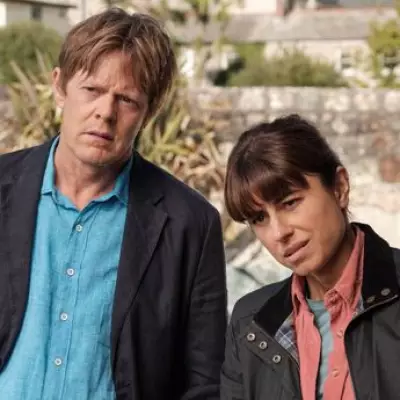
Contemporary television continues to generate memorable scenes. Mike, 41, from Warwickshire enjoys the un-British lack of decorum displayed by Peter Marsh on a 2016 Come Dine With Me episode, while Paul Cahill, 43, from Dublin cites Roman Roy's accidental sext in Succession as a masterclass in cringe comedy. Alex Simpson from Solihull praises the magical historical flashback in the 2022 Detectorists finale as a poignant artistic achievement.
These diverse recollections demonstrate television's unique ability to capture historical events, drive social change, foster community, and create lasting personal memories across its century-long evolution.