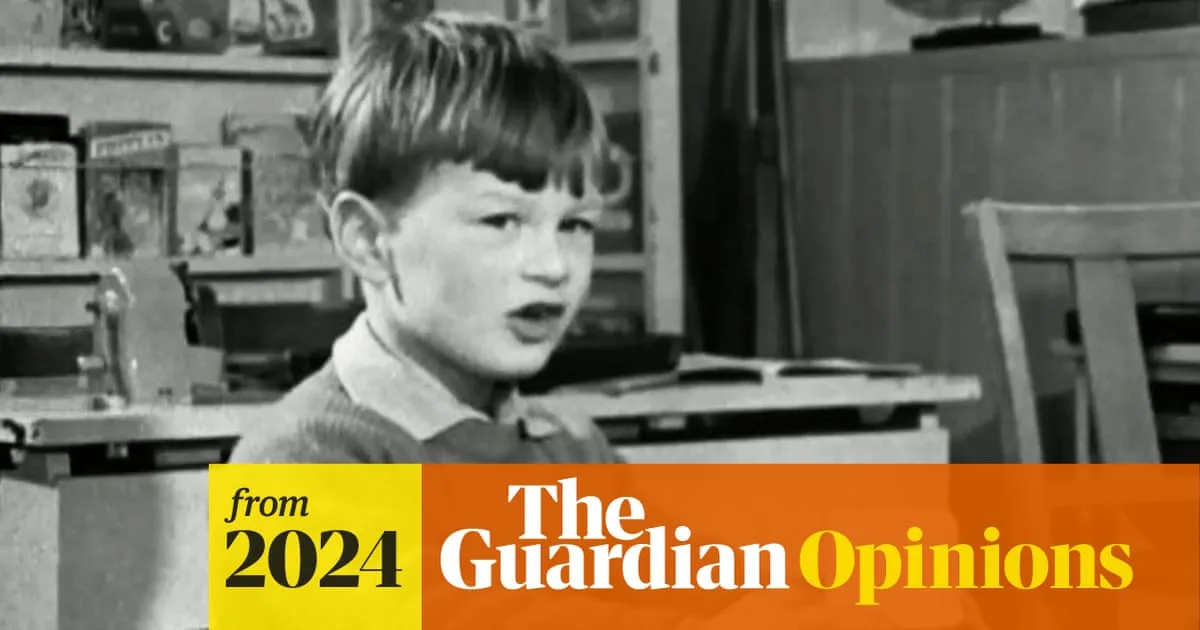
The Up documentary series, voted the most influential British TV programme of the past 50 years, has concluded, leaving a legacy that highlights class divides and the human condition. The series, which began in 1964 with 'Seven Up!', followed 14 British lives every seven years, with the final instalment airing in 2019. Its creator, Michael Apted, who died in 2021, originally aimed to show a glimpse of England in the year 2000, featuring a union leader and a business executive.
The series had a profound impact on viewers, including journalist Jane Martinson, who first saw it in the early 1980s. She noted that the programme met curriculum demands to foster social justice and equal opportunity. One participant, Nick Hitchon, a scientist from a farm, died last year, while Lynn Johnson, a working-class girl from east London, became a librarian and school governor. Another participant, Tony, who was expected to end up in prison, became a cab driver instead.
The series faced criticism for its lack of diversity, with only four girls among the original 14 children. Apted later regretted not including more women, missing the feminist revolution. Despite these flaws, the series evolved from class certainties to a deeper understanding of the participants as human beings. The Broadcasting Press Guild poll, which selected the most influential British TV programmes, placed 'Up' at the top, ahead of shows like 'I May Destroy You' and 'Big Brother'.

As British television becomes dominated by international conglomerates and online services, the series' message about class and humanity remains more relevant than ever. Michele Grant, a former news executive, said the participants, who are three years older than her, have always helped her think about what comes next in life. The series ended with the death of Nick Hitchon, but its legacy continues to resonate.