Cinnamon's Ant-Repelling Power: The Simple Spice Solution for Pest-Free Homes
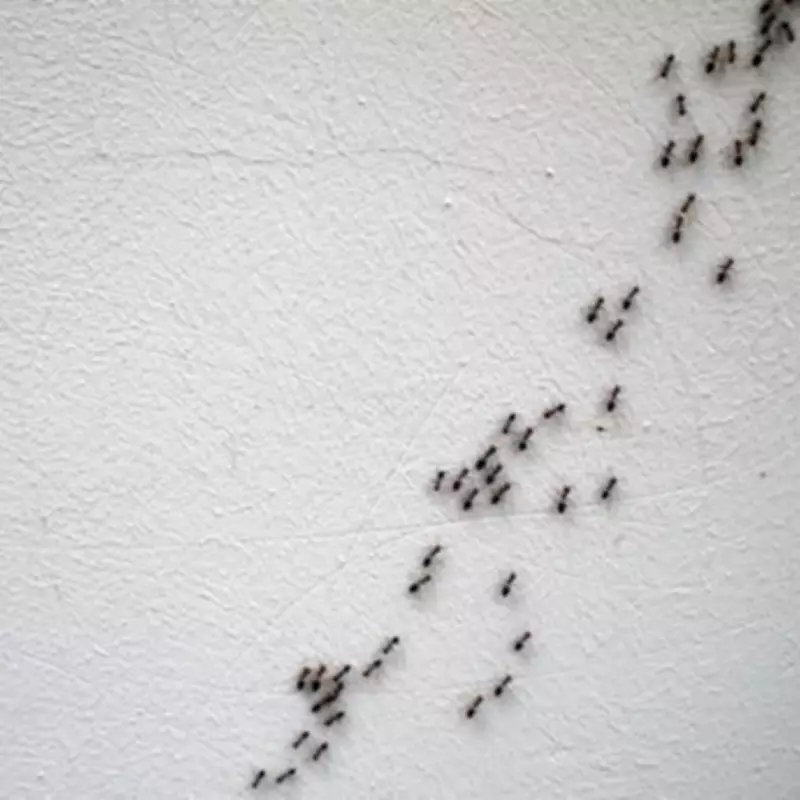
Encountering a sudden invasion of ants in your living space can be a deeply distressing experience, especially when the source of these persistent pests remains unclear. For many households, the pressing question becomes how to swiftly and effectively eliminate these unwelcome visitors without resorting to harsh chemicals. This very dilemma sparked a lively discussion among members of the popular 'Mrs Hinch Cleaning Tips' Facebook group, where a concerned homeowner shared their plight of discovering "hundreds" of ants emerging from beneath their washing machine and kitchen cupboards.
The Social Media Buzz: Homeowners Swear by Cinnamon
The online community quickly rallied with practical advice, with numerous users championing the use of a widely available and affordable kitchen staple: cinnamon. One enthusiastic participant asserted, "Cinnamon works. I did it and they never came back." Another echoed this sentiment, stating, "They hate cinnamon, it got rid of ours." A third contributor, residing in a rural area, added, "We live out in the country, and for some reason, I get them in the kitchen every few years. I use cinnamon and they are gone in a day and don't come back." This collective endorsement highlights a growing trend towards natural, accessible solutions for common household problems.
Expert Insight: How Cinnamon Functions as a Deterrent
Nicole Carpenter, president of Black Pest Prevention, provides professional validation for this method, explaining that cinnamon "creates an unfavourable environment for ants, making them want to leave your space." She clarifies a crucial point: while the scent of cinnamon itself does not kill ants, it serves as a highly effective repellent. The spice's potent aroma interferes with the pheromone trails that ants depend on to navigate and locate food sources, effectively disorienting them and discouraging entry.

Ismael Girard, CEO of Pest Agent, delves deeper into the science, identifying cinnamaldehyde as the key active component in cinnamon. He elaborates, "This substance tampers with ants' pheromone trails, making it harder for them to navigate toward their food sources or return to their colonies." This disruption is central to cinnamon's efficacy, setting it apart from other natural alternatives like vinegar or essential oils, which may operate through different mechanisms.
Practical Application: Maximising Cinnamon's Effectiveness
For optimal results, correct application is paramount. Ants typically infiltrate homes through cracks and gaps in foundations, walls, and around windows and doors. It is advisable to conduct a thorough inspection of these potential entry points, paying special attention to poorly sealed or damaged frames. Upon identifying an ant trail, mix ground cinnamon with a small amount of water to form a paste. Using a cotton bud, apply this mixture directly along the ants' route into your property. Ground cinnamon is generally more effective than cinnamon sticks in this context, as it can cover a broader pathway, creating a more substantial barrier.
Preventative Measures: A Holistic Approach to Pest Management
While cinnamon can be a powerful tool, it should be part of a broader, integrated pest management strategy. Ants are predominantly attracted to areas like kitchens, where accessible food sources abound. Consistent and thorough cleaning, proper food storage in sealed containers, and the immediate cleanup of spills and crumbs are fundamental practices to minimise attraction. By combining these preventative habits with targeted repellents like cinnamon, homeowners can maintain a more resilient defence against seasonal ant invasions, ensuring a cleaner and more comfortable living environment without reliance on aggressive chemical treatments.