17 Great Films That Were Ruined by Their Terrible Endings
In cinema, as in air travel, a botched landing can overshadow an otherwise smooth journey. The history of film is filled with movies that expertly captivate audiences for hours, only to stumble disastrously at the finish line. Whether through misjudged twists, like in Pay It Forward or M. Night Shyamalan's The Village, or simply running out of creative steam, many films leave viewers with a sour taste due to their conclusions.
Sometimes, these endings are beyond the filmmakers' control, as seen with the censored Chinese cut of Fight Club. Other times, they result from poor creative choices by writers, with finales that misfire in story or tone. Here are 17 otherwise impressive films that were ultimately ruined by their endings.
10 Cloverfield Lane
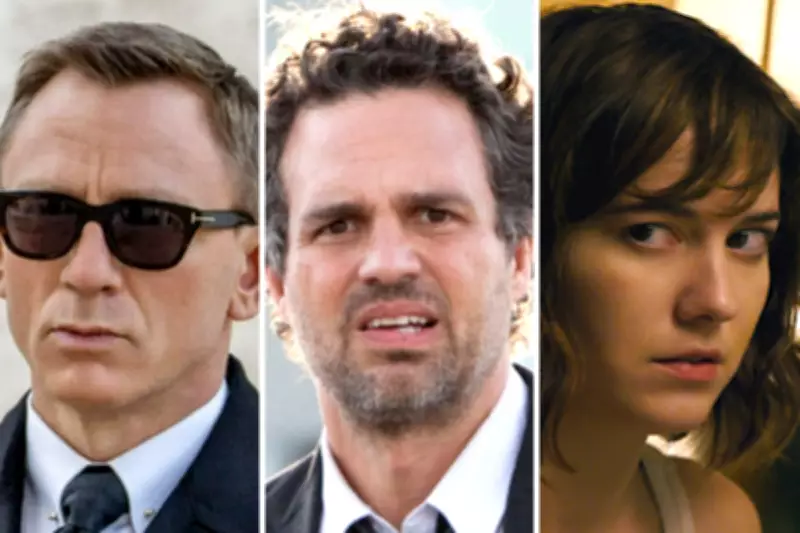
This left-field sequel to Cloverfield locks Mary Elizabeth Winstead, John Goodman, and John Gallagher Jr. in an underground bunker, building thrilling tension. However, in its final moments, Winstead's character exits to find her captor was truthful about an alien invasion—a twist that completely dissipates the hard-earned suspense, undermining the entire narrative.

Baby Driver
Edgar Wright's Baby Driver marked his big leap to Hollywood, but its ending has serious flaws. While the early parts are characterized by rhythmic lightness, the last act shifts into gurning action melodrama as Ansel Elgort's getaway driver faces off with a demonic Jon Hamm. Compared to what preceded it, this conclusion feels like a car crash.
Bad Times at the El Royale
Starting as a witty Tarantino riff, Bad Times at the El Royale takes a radical turn for the worse. As it careens toward its endgame, Chris Hemsworth's preening cult leader dominates, transforming the film into a tedious and overblown mess—a royale disappointment.
Fight Club (Chinese Cut)
The original ending of Fight Club, with Edward Norton and Helena Bonham Carter watching explosions, is striking. The Chinese cut replaces this with a postscript stating police arrested all criminals and prevented the bomb from exploding. Author Chuck Palahniuk sarcastically noted this happy ending, highlighting how censorship ruined the film's impact.
Happiest Season
The 2020 Christmas romcom Happiest Season was largely charming, but Aubrey Plaza's character shares such potent chemistry with Kristen Stewart that Stewart's decision to reunite with the toxic Mackenzie Davis feels like a thumbtack in the figgy pudding, undermining the festive spirit.
Indiana Jones and the Kingdom of the Crystal Skull
Despite the nuclear fridge controversy, Spielberg's return to the franchise is entertaining until its climax, where Harrison Ford activates an alien spaceship. This pivot to science fiction, while no more far-fetched than earlier magic, becomes daft and deeply uncompelling.
The Lord of the Rings: Return of the King
Peter Jackson's epic indulges in storytelling, but at the end of Return of the King, patience tips into frustration. After resolving the drama, an interminable sequence of Frodo reuniting with friends drags massively, making it the trilogy's weakest entry.
The Magnificent Ambersons
Orson Welles' 1942 drama is often hailed as a masterpiece, but a studio-mandated happy ending is now the only version available. While still worth watching, it succeeds despite its conclusion, with Welles' original intentions haunting the film like a phantom.
Now You See Me
This 2013 thriller aimed to emulate The Prestige but botched its reveal by making the magic real—a cop-out that fails to tie up loose ends. A dismal sequel did nothing to rescue the film's disappointing conclusion.
Pay It Forward
Haley Joel Osment stars in this uplifting drama, but a shock twist sees his character stabbed to death. This dark turn is too jarring, leaving audiences feeling slapped in the face and ruining the film's intended message.
Psycho
Alfred Hitchcock's horror classic features an iconic climax, but a clunky epilogue over-explains Norman Bates' psychology in stiff terms. Removing this scene would only improve the film's enduring impact.

Remember Me
Robert Pattinson's drama was unremarkable for most of its runtime, but a final shot revealing he's in the World Trade Center before 9/11 is catastrophically misjudged, turning the film into a poor-taste laughing stock.
Spectre
Sam Mendes' James Bond film starts strong but deteriorates once Christoph Waltz's Blofeld appears. The final set piece is both overblown and anticlimactic, undermining the earlier excitement.
Split
M. Night Shyamalan's psychological horror teases a threat called The Beast, only to reveal it as a giant supernatural being in a stealth sequel to Unbreakable. This unexpected twist kills the tension and takes the film down with it.
Sunshine
Danny Boyle's sci-fi drama is intelligent and character-driven until it pivots into slasher territory in the last act. Critics panned this implausible turn, noting it cheapens the film's sentiment and leaves it unrecovered.
The Village
Shyamalan's period drama features a twist revealing it's not set in the past at all. Roger Ebert called the ending an anticlimax, describing it as witless and so crummy that viewers wish they could unsee it.
The World's End
The third film in Edgar Wright's Cornetto Trilogy is funny and propulsive until its climax, where Simon Pegg's character faces alien body snatchers. This confrontation kills momentum, being neither funny nor satisfying enough to pay off the buildup.