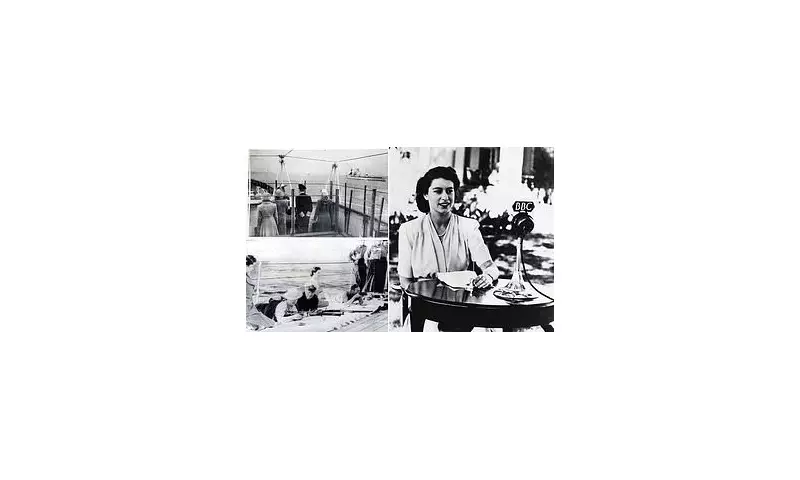
In April 1947, a 21-year-old Princess Elizabeth delivered a speech that would define her reign, vowing to devote her life to public service. Yet, the historic royal tour of South Africa where this pledge was made was almost destroyed by a dangerous secret: a boiling mutiny aboard the battleship that carried the Royal Family.
A Royal Tour Overshadowed by Discontent
The journey began aboard HMS Vanguard, a vast battleship commissioned just the year before. It was manned by sailors who, after years of wartime service, were desperate to return home to their families. Instead, they found themselves on a lengthy goodwill mission, packed into poorly designed accommodation with 1,700 crew members.
Conditions were dire. There was insufficient seating for meal breaks, leaving many sailors going hungry, and the food provided was reportedly almost inedible. The voyage from Portsmouth was hellish, with even the Royal Family—King George VI, Queen Elizabeth, and Princesses Elizabeth and Margaret—confined to their cabins with severe seasickness for most of the journey.

Upon arrival in Cape Town, the contrast was stark. The royal party was swept off to glittering state events, including a civic ball where five thousand people danced to a foxtrot composed for Princess Elizabeth. Meanwhile, the crew were forbidden shore leave by their captain, Rear Admiral William Agnew, and could only listen to the celebrations on the ship's radio.
The Secret Crisis That Reached the Prime Minister
As the royals embarked on their tour aboard the luxurious White Train, tension aboard the Vanguard reached a critical point. According to recently released top-secret government papers, the ship's commander and chaplain formally warned the captain that anger among the ratings was so intense they "could not guarantee the discontent would not take open form"—a clear warning of mutiny.
The crisis was deemed so severe that Prime Minister Clement Attlee was alerted. He dispatched an MI5 agent, Henry Boddington, from London to investigate. Boddington's report highlighted further grievances: the ship was scheduled to dock in Devonport, not Portsmouth, further delaying the sailors' reunions with loved ones. He also noted a toxic 'us and them' divide, with ratings resentful of the officers' luxury amidst their own "mess-deck misery."
For days, the King and his family were deliberately kept in the dark to protect the mission's success. The situation was unprecedented in Royal Navy history and posed a catastrophic threat to the tour's diplomatic aims.
The King's Intervention and a Princess's Defining Words
The deadlock was only broken when King George VI was finally informed of the unrest. He immediately hastened back to the Vanguard and addressed the entire ship's company. His personal intervention instantly calmed the heated tempers, defusing the mutiny before it could explode.
This near-disaster was then buried for nearly 80 years, ensuring nothing detracted from the shining moment of the tour. On her 21st birthday, from the gardens of Government House in Cape Town, Princess Elizabeth broadcast her now-iconic pledge to the Commonwealth. Moved to tears by the draft written by Dermot Morrah, she declared: "I declare before you all that my whole life, whether it be long or short, shall be devoted to your service."
The speech, a solemn act of dedication made with a whole Empire listening, not only defined her future reign but also symbolically marked the end of the turmoil aboard HMS Vanguard. The mutiny evaporated, and a future Queen's lifelong commitment to service began.