Historic Royal Christening Robe to Make Public Debut at Buckingham Palace Exhibition
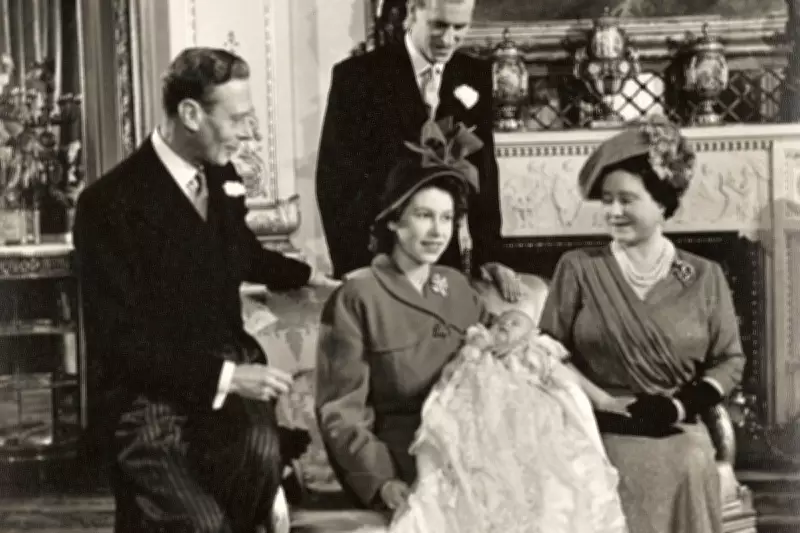
In a remarkable display of royal heritage, Queen Elizabeth II's christening robe, an exquisite garment with a storied history spanning 185 years, is set to be publicly exhibited for the very first time. This delicate robe, originally crafted for Princess Victoria in 1841, has been worn by an impressive total of 62 royal babies, including the late Queen herself, symbolising a cherished tradition within the British monarchy.
Exhibition Details and Significance
The robe will be a centrepiece in the Queen Elizabeth II: Her Life in Style exhibition, which is scheduled to open at The King's Gallery in Buckingham Palace on 10 April 2026. The exhibition will run until 18 October 2026, thoughtfully timed to commemorate what would have been the monarch's 100th birthday. Visitors can expect to see approximately 200 items meticulously curated from her extensive fashion archive, offering a unique glimpse into her personal style and public life.
Conservation Efforts and Replica Creation
Prior to its public unveiling, the historic christening robe underwent an extensive conservation process, requiring over 100 hours of dedicated work to preserve its fragile fabric and intricate details. This careful restoration ensures that the garment can be safely displayed while maintaining its historical integrity. In 2004, recognising the robe's delicate condition, a replica was commissioned for use in subsequent royal christenings, allowing the original to be retired from active ceremonial use and prepared for future preservation and display.

The exhibition not only celebrates Queen Elizabeth II's legacy but also highlights the enduring traditions of the royal family, with this robe serving as a tangible link across generations. Its public display marks a rare opportunity for the public to engage with a piece of living history, underscoring the monarchy's role in British cultural heritage.