In a landmark and deeply personal intervention, Queen Camilla has used her platform to champion survivors of gender-based violence, sharing her own experience of assault for the first time and highlighting the ongoing campaign of a family devastated by domestic homicide.
A Stark Contrast: Royal Honesty Amidst Tragedy
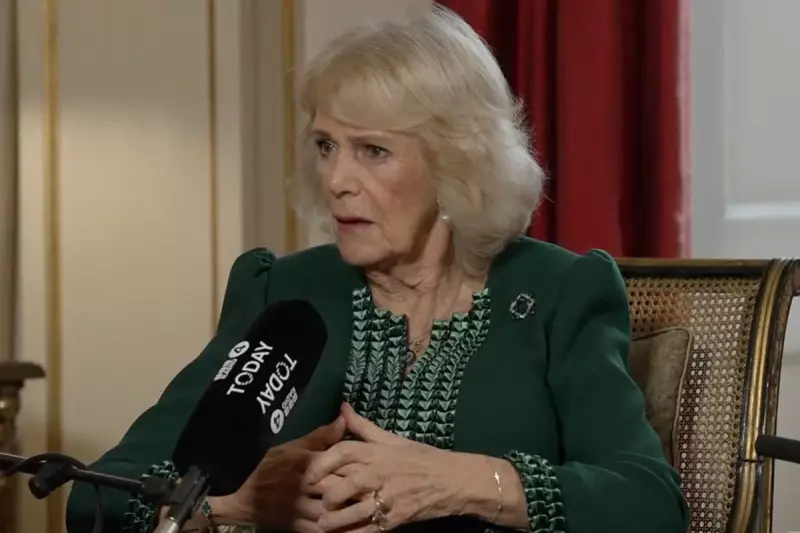
The Queen's candid remarks came during a New Year's Eve interview on BBC Radio 4's Today programme, which was guest-edited by former Prime Minister Theresa May. The discussion focused on violence against women, a subject brought into agonising focus by the horrific murders of the family of BBC racing commentator John Hunt in July 2024.
Carol Hunt, John's wife, was brutally stabbed multiple times. Two of his three daughters, Louise and Hannah, were murdered with a crossbow in their own home in Hertfordshire. The perpetrator, ex-soldier Kyle Clifford, is now serving a life sentence. He had tied up and raped 25-year-old Louise near her mother's body before killing her, just two weeks after their relationship ended.

While many shy away from such harrowing stories, Queen Camilla spoke openly with John Hunt and his surviving daughter, Amy, about their grief. In doing so, she shifted the national conversation towards supporting survivors and preventing future atrocities.
"My Hair Standing on End": The Queen's Own Story
In a move that breaks from traditional royal protocol, the Queen then revealed a traumatic incident from her own past. She described being attacked by a young man on a train when she was just 16 or 17 years old.
She recalled the visceral aftermath: "my mother looking at me and saying: Why is your hair standing on end and why is the button missing from your coat." She reported the assault at the time, leading to the man's arrest, and spoke of the fury she felt. This was not a minor incident, but an outright attack in a public place.
Previously, this story was only known privately, having been mentioned to Boris Johnson when he was Mayor of London and later appearing in journalist Valentine Low's book. The Queen's decision to tell it herself, with new poignant details, is a significant act of solidarity.
Driving a Societal Shift and Giving Survivors a Voice
The Queen's radical compassion serves a powerful purpose. She is acutely aware that her position allows her to encourage women and girls to call out misogyny and not accept abusive behaviour as "part and parcel" of being a woman.
This stands in stark contrast to the controversies surrounding other royals and sends a clear message of support to survivors. As patron of the domestic abuse charity SafeLives, and through work with organisations like Refuge, she has long advocated on this issue.
Amy Hunt's response to the Queen underscores the universal nature of this struggle: "Every woman has a story…" The Queen's intervention helps validate those stories. It reinforces that survivors should not feel shame and that the focus must shift from women protecting themselves to stopping perpetrators.
By sharing her own experience, Queen Camilla has transformed a private pain into a public catalyst for change, using her unique voice to challenge a culture that has too often tolerated the intolerable.