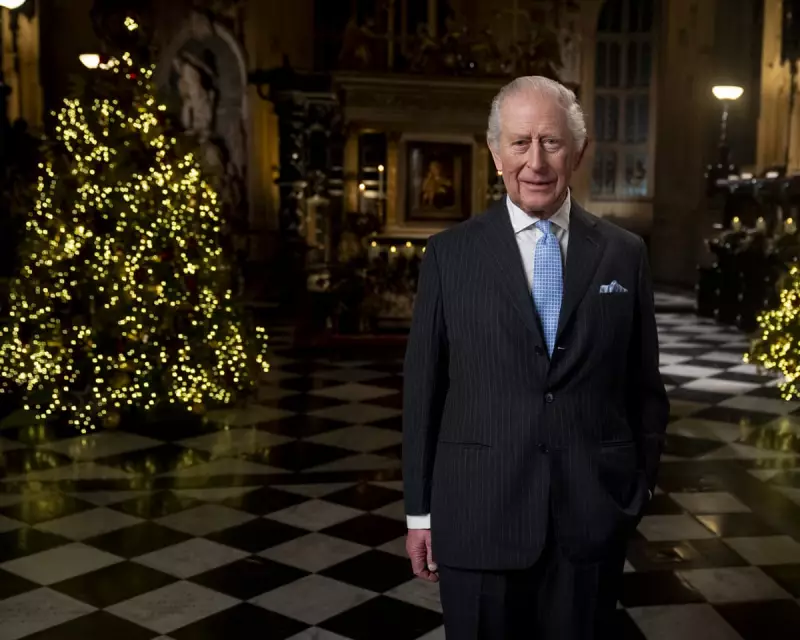
King Charles III's annual Christmas Day broadcast has emerged as the most-watched television programme in the UK, drawing an audience of nearly 7 million viewers. The message was recorded earlier in the month in the historic Lady Chapel at Westminster Abbey.
A Saturated Broadcast Strategy
The significant viewership figure, reported on 26 December, has sparked commentary on the influence of scheduling. The programme was broadcast simultaneously across several of the UK's most popular terrestrial channels, as well as on GB News, making it virtually unavoidable for many households tuning in on Christmas Day. In a letter to the Guardian, Tony Green from Ipswich suggested this saturation coverage was a primary driver for the high numbers, rather than 7 million people actively choosing to watch.
Readers Share Amusing Anecdotes
The Guardian's letters section also featured a collection of light-hearted reader contributions. Ingrid Warren from Oxford recounted humorous failures of the Merlin bird identification app, which mistook local peacocks for ospreys and identified a passing siren as a peregrine falcon.

Other correspondents shared witty observations on local signage. Sophia Sharif recalled a 1990s sign welcoming visitors to Plymouth as the "Spirit of Discovery," which was swiftly altered by a local wit to read "Spirit of Disco." Brian Ferris remembered a fabricated tourist sign on the Cotswold Way pointing to an "Official dogging site," while John Cockell mentioned the Shropshire hamlet of New Invention, where a sign once bore the added legend "Patent pending."
Public Engagement with Media
The letters also touched on broader media engagement. One reader, Toby Wood, humorously referenced Pamela Stephenson Connolly's advice column, pondering its potential take on an unusual marital dynamic linked to getting a letter published in the Guardian.
The collective correspondence underscores a tradition of British public commentary, ranging from royal media events to the quirks of everyday life, technology, and local humour. The recording on 11 December 2025 at Westminster Abbey set the stage for a broadcast that, through its widespread availability, became a shared national moment, for better or worse.