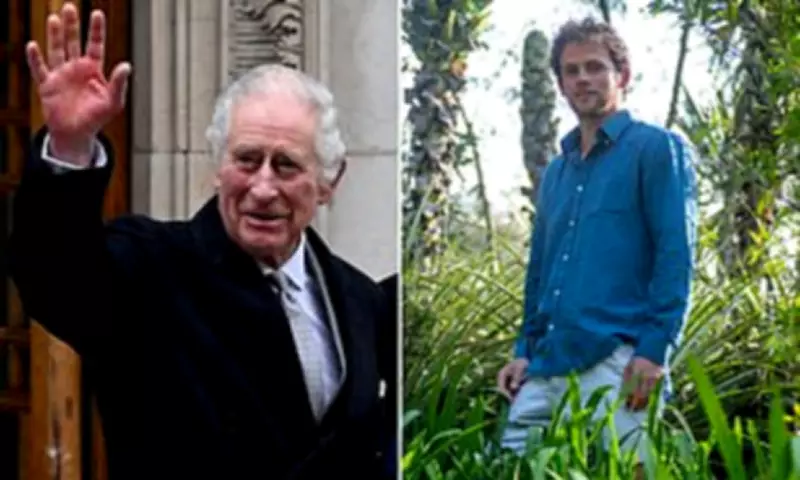
A former royal gardener who secured employment in King Charles III's private gardens during the pandemic has unveiled the monarch's specific culinary preferences and horticultural standards. David Pearce, originally from Hampshire, disclosed that the King has explicitly prohibited squash and courgettes from his kitchen garden at Highgrove House, while insisting that carrots be cultivated to an exact, petite dimension.
Monarch's Meticulous Vegetable Demands
Mr Pearce, who managed mixed planting beds in the centre of the kitchen garden, explained that gardeners were primarily occupied with growing vegetables personally requested by the monarch. These included an entire bed dedicated to salad leaves and two beds reserved for asparagus. In an interview with The Farnham Herald, he recounted, "I spent approximately one year working for His Royal Highness in the kitchen garden, cultivating fruit and vegetables that were incorporated into his dinners and lunches."
He elaborated, "Items such as cauliflower were grown, and he particularly favoured his crudité carrots - we were required to grow them to a specific size, comparable to your little finger. He showed a distinct preference for spinach. We also cultivated onions, leeks, and Florence fennel. The work predominantly involved accommodating his individual preferences." However, he emphasised, "Squash was completely off the cards, and absolutely no courgettes were permitted."

From Feral Youth to Royal Gardens
Mr Pearce described his upbringing in Hampshire as somewhat "feral," where he enjoyed a childhood of exploration amidst wild and exotic surroundings. After considering various career paths, he pursued an apprenticeship at Ventnor Botanic Garden on the Isle of Wight, followed by employment at Wisley, the Royal Horticultural Society's premier garden in Surrey.
His days were immersed in horticulture across 300 acres of meticulously planned landscapes, while evenings were dedicated to coursework on his laptop. Upon graduating during the pandemic, he secured a position at Highgrove, the private residence of King Charles III and Queen Camilla near Tetbury in Gloucestershire.
Eco-Conscious Gardening Ahead of Its Time
Mr Pearce praised King Charles's environmental credentials as pioneering, noting that while others were meticulously maintaining lawns, the monarch was cultivating expansive wildflower meadows. Electric devices were employed to manage pests instead of chemical sprays, and gardeners occasionally accompanied the King on walks where he would specify his desires for particular plants and their placements.
Following his tenure at Highgrove, Mr Pearce transitioned to Whatley Manor, a five-star Cotswolds hotel, where he began implementing his own gardening concepts. He subsequently accepted a role at Abbotsbury in Weymouth, which he described as "one of the greatest gardens in the world."
Staff Challenges and Royal Expectations
Last summer, reports emerged suggesting that King Charles's exacting horticultural standards might have contributed to a significant departure of gardening staff. Between 2022 and 2025, 11 of the 12-member gardening team reportedly resigned, including the head gardener and deputy. In March 2022, half of the team were allegedly receiving minimum wage.
The King, known to inspect the grounds with secateurs, frequently provides handwritten feedback in red ink, expressing satisfaction or concern regarding specific plants. While some staff appreciate his involvement, others have found his comments impolite and demoralising. In late 2023, a staff member filed a grievance alleging under-resourcing and difficulties meeting the King's demands, citing physical injuries and low morale among the team.
Highgrove: A Four-Decade Passion Project
The garden at Highgrove has been King Charles's personal project for 45 years. In a conversation with gardener Alan Titchmarsh, the King explained he was drawn to the property in 1980 due to its "blank canvas" garden, stating, "I actually planned everything myself, I did the whole thing, I chose all the plants." He added, "I love evening patrol at the weekend. As I potter about I notice things and weed or prune bits off."

Over decades, the gardens have evolved from a basic kitchen garden and arboretum to include the Sundial Garden featuring the King's favoured purple and blue delphiniums, the Thyme Walk, and the Islamic-inspired Carpet Garden. Initially private, the gardens opened to the public in the 2010s, now attracting over 40,000 annual visitors.
Foundation's Response and Historical Context
A spokesperson for The King's Foundation refuted claims that Highgrove gardeners were underpaid, asserting that staff turnover and grievances were "well below the national average." The statement emphasised, "We take staff welfare extremely seriously and strive to be an exemplary employer," noting high satisfaction rates in staff surveys and adherence to pay benchmarking from the Professional Gardeners Guild.
The spokesperson also highlighted that since 2022, Highgrove's operating profit has more than doubled, and a new educational facility has been established to teach traditional heritage skills. Sources familiar with the estate expressed surprise at the severity of the reported claims, noting that many staff have served for decades, inspired by the King's passion, and describing him as "hands-on" without any indication of personal aggression during his weekend gardening activities.