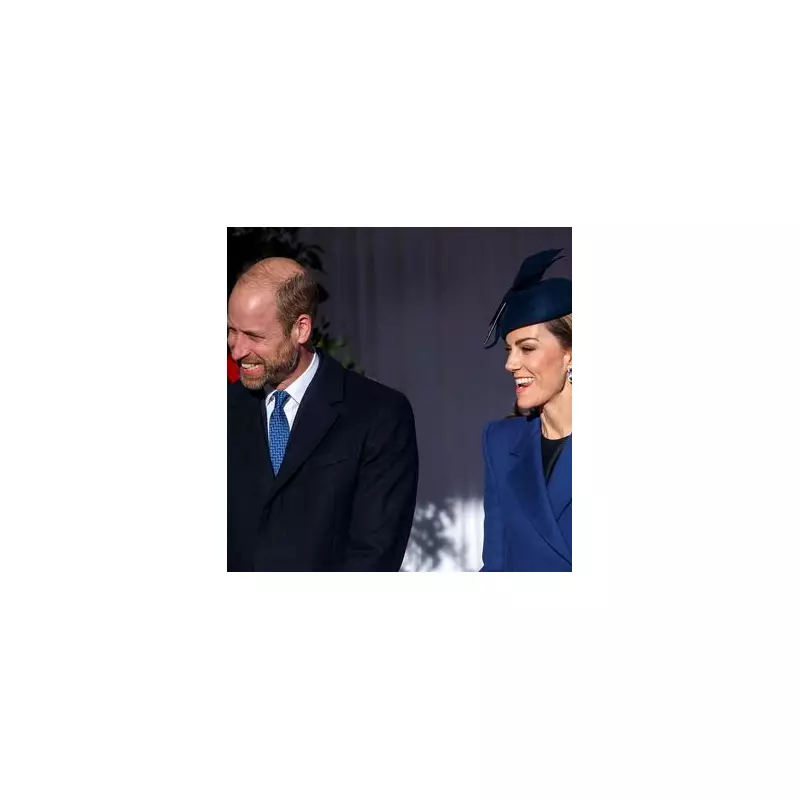
A veteran royal journalist, who has followed the relationship between the Prince and Princess of Wales since its university beginnings, has declared that Catherine appears to have been 'born' for the role of Queen.
A Two-Decade Perspective on a Future Reign
Katie Nicholl, the royal correspondent for Vanity Fair, made the striking observation while contributing to a documentary about the Princess of Wales. Nicholl has covered the couple's journey for nearly 20 years, since they first met as students at the University of St Andrews in the early 2000s.
Reflecting on Kate's conduct from those early days, Nicholl told The Sun: "I think when you look back on Kate and how she conducted herself then it is almost as if she was born to do this, to do this role." This commentary arrives as public and media attention increasingly turns to the future shape of the monarchy, with King Charles now in his late seventies.

Echoes of a Modern and Attentive Monarch
The discussion about the Princess's preparedness for queenship is not new. In early 2020, podcaster and actress Giovanna Fletcher, who interviewed Kate, offered a glimpse into her potential style as sovereign.
Fletcher told The Times she believes Catherine will be a Queen who is "very aware of what's going on" across the nation. "She’s full of heart. I think she’ll be a queen who really listens, who leans in," Fletcher said, adding that the Princess understands the need for society to work together. Fletcher also shared a more relatable anecdote, revealing that Kate confessed to being "notoriously bad at keeping an eye on her phone" and frequently misplacing it.
William's Vision: Embracing Change for the Monarchy
While speculation focuses on Kate's future role, there is equal interest in what kind of King Prince William will become. In a conversation last year with Canadian actor Eugene Levy on his Apple TV series, the Prince of Wales outlined his forward-looking approach.
"I think it's safe to say that change is on my agenda. Change for good, and I embrace that, I enjoy that change," William stated. He expressed a desire to question traditions, asking: "Is that still fit for purpose today? Are we still doing and having the most impact we could be having?" He characterised his planned evolution as not overly radical, but necessary for the institution's continued relevance.
The combined portrait that emerges is of a future dual reign built on a decades-long partnership, with a Queen perceived as instinctively prepared and a King openly committed to thoughtful, modernising evolution for the British monarchy.