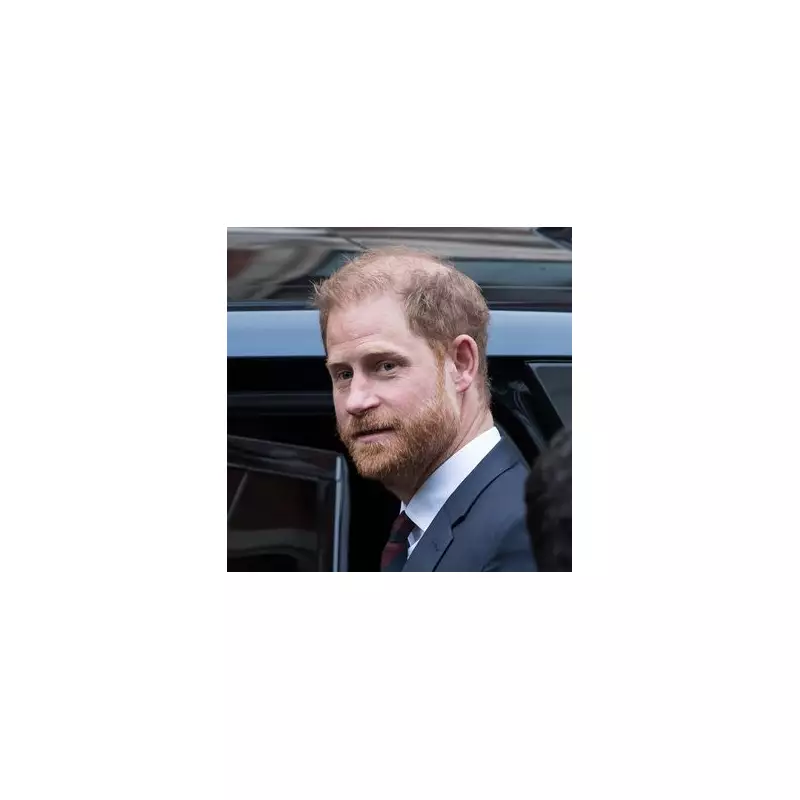
A woman believed to be a known stalker of Prince Harry reportedly positioned herself just yards away from the Duke of Sussex on two separate occasions at the High Court in London, raising serious questions about the effectiveness of his security arrangements during UK visits.
Close Encounters at the High Court
The unnamed woman, who security sources describe as a "fixated individual" with a history of following Prince Harry and Meghan Markle, was spotted in the public gallery during Harry's privacy trial against Associated Newspapers. According to reports, she sat mere metres from the royal during proceedings, prompting immediate concern from his protection team.
When Harry's security personnel identified the woman, they reportedly alerted court staff about the potential threat. However, sources indicate that little could be done to remove her from the premises, as the High Court remains a public building where individuals have legal rights to attend proceedings.

Pattern of Concerning Behaviour
This incident represents the latest in a series of alarming encounters between the woman and Prince Harry during his visits to the United Kingdom. Last September, during another UK trip, the same individual reportedly managed to get dangerously close to Harry on multiple occasions.
During that visit, she was allegedly discovered hiding in the toilets of an upscale London hotel just minutes before Harry arrived to attend the WellChild Awards ceremony. Days later, his private security team reportedly had to physically intervene when she attempted to approach him during a visit to Imperial College London's Centre for Blast Injury Studies.
International Tracking
The woman's fixation appears to extend beyond UK borders. According to security reports, she was even spotted in Nigeria during Prince Harry and Meghan Markle's official visit in 2024, demonstrating a persistent pattern of behaviour that has concerned protection teams on multiple continents.
Broader Security Context
This latest incident occurs against a backdrop of ongoing security concerns for Prince Harry since he and Meghan stepped back as working members of the royal family in January 2020. The couple's security arrangements have been subject to significant changes and legal challenges in recent years.
In May of last year, Harry lost his Court of Appeal case against the Home Office regarding the restoration of automatic police protection when visiting the UK. The ruling maintained that his security would be assessed on a case-by-case basis rather than receiving the automatic protection afforded to working royals.
Recent Developments in Protection Review
However, last month brought new developments when it emerged that Harry's security arrangements were undergoing review. The Duke reportedly wrote to newly appointed Home Secretary Shabana Mahmood and submitted a formal request for a risk assessment to the Executive Committee for the Protection of Royalty and Public Figures (RAVEC).
During his previous High Court case, Harry argued that his current security situation made it "impossible" to safely bring his wife Meghan and their children, Prince Archie and Princess Lilibet, back to the United Kingdom. He expressed profound sadness about being unable to show his children his homeland while security concerns persist.
Current Security Protocol
Under present arrangements, Prince Harry must notify the Metropolitan Police at least one month before any planned travel to the UK. Security assessments are then conducted on a case-by-case basis, with protection levels determined according to perceived threat levels during each specific visit.
Harry's legal representatives have previously argued that this approach puts his life "at stake," particularly given his high public profile and the persistent threats he faces from certain individuals. The latest incident at the High Court appears to reinforce these concerns, demonstrating how even in supposedly secure environments, determined individuals can potentially breach protective perimeters.
The situation highlights the complex balance between public access rights and personal security, particularly for high-profile individuals who have stepped back from official roles but continue to face significant public attention and potential threats during UK visits.