BBC Ends 37-Year Tradition of Live Commonwealth Day Broadcast
In a dramatic break from tradition, the BBC has decided not to broadcast the Commonwealth Day service live for the first time in thirty-seven years. This move has left royal insiders reeling and sparked warnings from experts about the "greatest threat" facing the monarchy today: public indifference.
A Muted Affair Amid Ongoing Scandals
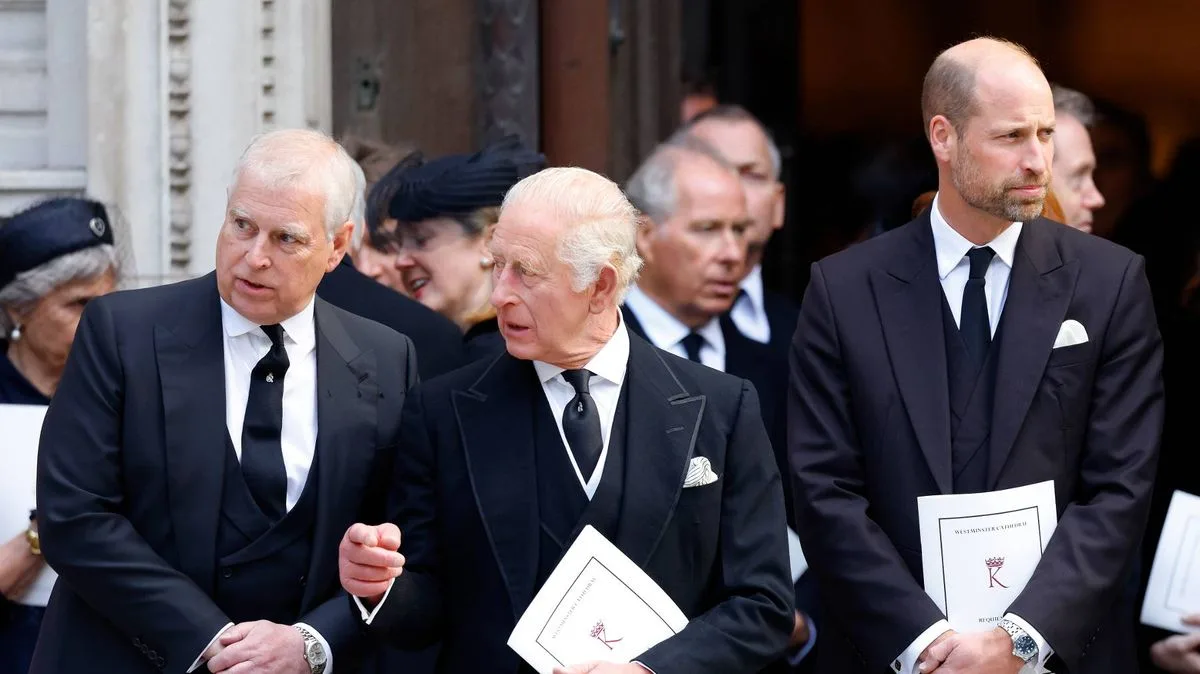
The decision comes as the Royal Family grapples with the ongoing fallout from the scandal surrounding Prince Andrew and his connections to Jeffrey Epstein. This year's service at Westminster Abbey is expected to be a more subdued event compared to previous years. Only six senior royals are scheduled to attend: King Charles, Queen Camilla, the Prince and Princess of Wales, Princess Anne, and her husband Sir Tim Laurence. Notably absent will be Prince Edward and his wife Sophie, the Duke and Duchess of Edinburgh.
This contrasts sharply with the event six years ago, which featured one of the last joint engagements of the "Fab Four"—Prince William, Kate Middleton, Prince Harry, and Meghan Markle. That occasion became infamous for the palpable tension behind the scenes rather than the celebration of the Commonwealth itself.
Experts Warn of 'Establishment Slippage'
Royal author and historian Tessa Dunlop argues that the BBC's decision reflects a broader decline. "The BBC's dumping of the Commonwealth service speaks to establishment slippage," she explains. "One that incorporates four previously revered institutions: the BBC, the Royal Family, the Church of England, and the Commonwealth. In these tense times, previously we'd have sought consolation in national rituals and shared events. Not anymore."
She adds that this is a clear warning sign for the Royal Family, indicating that things are not what they were. Dunlop emphasises that the annual service is a landmark event showcasing Britain's soft power through a voluntary association of countries that still recognise the monarch as their titular head.
Public Apathy and Changing Media Habits
Royal commentator Afua Acheampong-Hagan suggests the BBC's move likely stems from a "lack of interest" from the public. She notes that broadcasters may be concerned about spotlighting the Royal Family during a period of embarrassment. Furthermore, she questions the modern relevance of the Commonwealth itself, asking whether it represents "colonialism-lite" and pointing out that "the wealth is not common."
Communications expert Mayah Riaz provides a branding perspective, stating that the decision is quite symbolic. "Events like this have traditionally been used to reinforce the monarchy's connection to the wider Commonwealth," she explains. "When it drops off the schedule after decades, it inevitably raises questions about relevance and audience appetite."
Riaz acknowledges changing media consumption, where audiences are less likely to watch formal ceremonial broadcasts without a strong news hook. "The monarchy is now competing for attention in the same crowded media space as everyone else," she says. However, perception matters, and ceasing such broadcasts can fuel narratives of waning public engagement, particularly among younger audiences.
The Shadow of the Andrew Scandal
Experts agree that the ongoing scandal involving Prince Andrew has cast a long shadow. Riaz admits, "There's no denying that there is a reputational backdrop to consider. The ongoing shadow of the Andrew scandal has undeniably reshaped how royal events are covered and framed." Even when Andrew is not directly involved, the wider Royal Family brand has adopted a more cautious strategy.
Dunlop summarises the core issue: "That the BBC no longer considers the event worth broadcasting live highlights not only the diminished relevance of the Commonwealth but likewise royalty's shrinking cultural capital. While many republicans may dream of a revolution, in fact the Windsors' greatest threat is a creeping apathy." She argues the public, "disgusted by the Andrew hoo-ha and bored by the same-old royal players," has a dwindling reserve of goodwill.
Future of the Commonwealth
Despite the challenges, some see potential for the Commonwealth to adapt. Acheampong-Hagan suggests the association might need to modernise by potentially appointing a Head of the Commonwealth from outside the United Kingdom, such as from Jamaica or the Gambia, to shift power away from traditional centres.
This aligns with comments made by Prince William during a 2022 Caribbean tour, where he stated that who leads the Commonwealth in the future was not his primary concern, but rather the family's potential to create a better future.
The BBC has cited funding challenges for its scheduling decision, stating it will cover the service across its news platforms instead. Nonetheless, the replacement of this decades-old broadcast with a programme like Escape to the Country sends a powerful message about the changing status of royal rituals in contemporary Britain.