Musician Chuck Redd is seeking to have a lawsuit filed by the Kennedy Center dismissed, following his cancellation of a Christmas Eve performance at the venue. The legal motion, filed in D.C. Superior Court, contends that Redd was not contractually obligated to perform, as he never signed the contract provided by the institution.
Legal Arguments and Political Context
In the motion submitted on Friday, Redd's lawyers, Debra S. Katz and Lisa J. Banks, argued that the breach of contract suit should be thrown out due to the lack of a signed agreement. They emphasized that the Kennedy Center's actions go beyond mere contract law, portraying the lawsuit as an attempt to intimidate artists who publicly dissent from decisions made by those in power.
"The Trump Kennedy Center filed this lawsuit to send a message to anyone who dares to publicly disagree with the decisions of those in power," Katz and Banks stated in a formal declaration. Representatives for the Kennedy Center have not yet responded to requests for comment regarding the motion.

Background of the Performance Cancellation
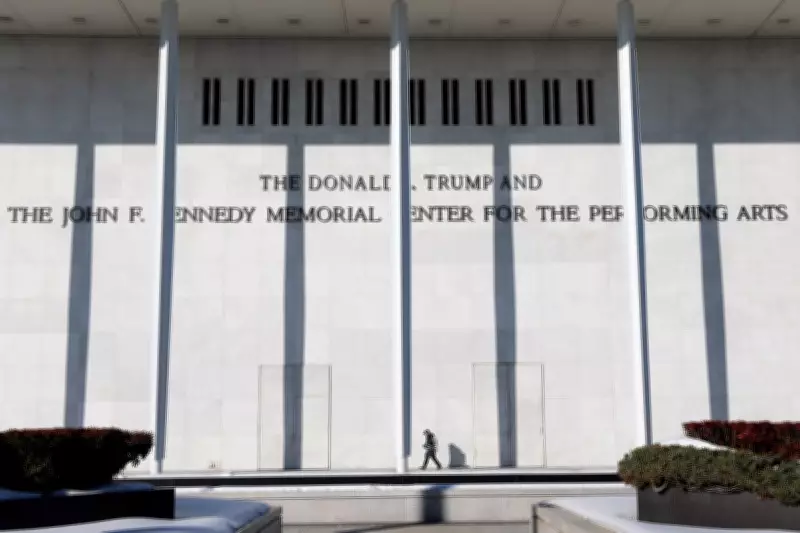
Chuck Redd, a renowned drummer and vibraphone player who has toured with jazz legends like Dizzy Gillespie and Ray Brown, has been hosting holiday "Jazz Jams" at the Kennedy Center since 2006. He canceled last year's performance shortly after the Kennedy Center's board, appointed by former President Donald Trump, voted to add Trump's name to the facility.
"When I saw the name change on the Kennedy Center website and then hours later on the building, I chose to cancel our concert," Redd explained in an email to The Associated Press at the time. His decision was driven by protest against Trump's influence over the venue.
Escalation to Legal Action
Within days of the cancellation, Richard Grenell, then president of the Kennedy Center, sent Redd a letter condemning the move as "classic intolerance and very costly to a nonprofit Arts institution." Grenell threatened to seek $1 million in damages, and the Kennedy Center officially filed the lawsuit on March 6.
Grenell has since left his position and was replaced by Matt Floca, who previously managed the Kennedy Center's facilities operations. Additionally, Trump is planning to close the Kennedy Center later this summer for renovations expected to last approximately two years.
The case highlights ongoing tensions between artistic expression and institutional authority, with Redd's legal team framing it as a broader issue of free speech and artist rights in the face of political pressures.