Neil Sedaka's Enduring Legacy: The Three Secrets Behind His 68-Year Career
Neil Sedaka's Legacy: Secrets of His 68-Year Career

Neil Sedaka: More Than a Pop Star, a Songwriter's Songwriter

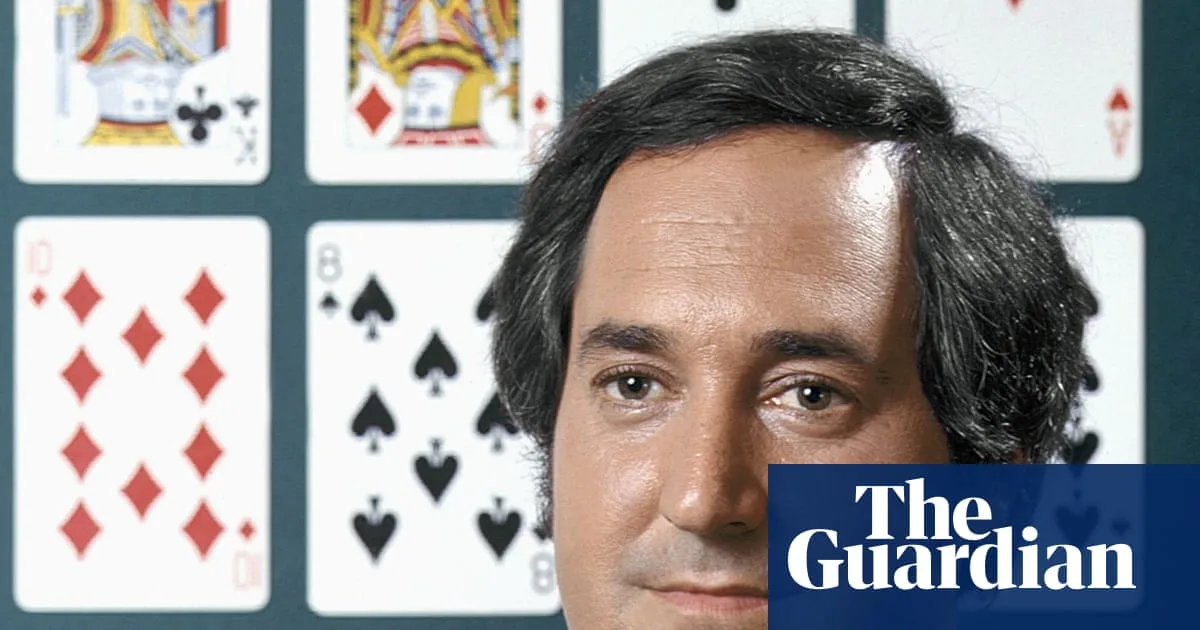
Neil Sedaka, who died at age 86 after being rushed to a Los Angeles hospital, was not merely a pop star. He stood as a songwriter's songwriter, a guiding light for younger artists during an era when singing and composing were often viewed as distinct disciplines. His influence extended to legends like Carole King, a teenage girlfriend who later became one of the greatest songwriters herself. King reflected yesterday, 'He was so talented, and he inspired me to follow my dream of being a songwriter.'

Inspiration for Icons: Carole King and Stevie Wonder

Another musical giant, Stevie Wonder, once cited Sedaka as his inspiration. Growing up in Detroit, Wonder was such a devoted fan that he earned the nickname 'Whitey' due to his admiration for Sedaka's work. This testament underscores Sedaka's profound impact across generations and genres, bridging gaps in the music industry.

The Three Secrets to Sedaka's Success

Sedaka's remarkable career, spanning from 1957 to 2025, was built on three foundational secrets that ensured his longevity and relevance.

First Secret: An Effortless and Persuasive Voice

His voice was effortless, persuasive, and deceptively precise. When Sedaka sang, every word was clear, allowing listeners to fully experience the emotions he conveyed. This vocal clarity became a hallmark of his performances, connecting deeply with audiences worldwide.

Second Secret: Masterful and Versatile Songwriting

Sedaka's writing prowess was his second secret. He mastered diverse musical forms, from doo-wop with his first band, The Tokens, to soft rock exemplified by his ballad Laughter In The Rain. This versatility stemmed from his dedication as a music student. After winning a scholarship, he studied classical piano at the Juilliard School in New York, attending Saturday lessons.

While many classically trained pianists might have dismissed pop music, and his mother Eleanor disapproved of his songwriting, Sedaka took it seriously. In 1959, facing a need for a hit after several flops, he analyzed the three biggest singles of the moment to understand their structure. The result was Oh! Carol, a pop classic that became his signature tune, showcasing his analytical approach to craft.

Third Secret: Emotional Intelligence in Collaboration

The third secret was his emotional intelligence, a quality he shared with lyricists Howard Greenfield and later Phil Cody. Greenfield's lyrics for Oh! Carol were groundbreaking for the strait-laced times, expressing vulnerability with lines like, 'You hurt me and you make me cry. If you leave me, I will surely die.' Sedaka and Greenfield recognized that young women were the primary buyers of pop records, and this emotional openness resonated powerfully.

They were two young men fully in touch with their feminine side, though such phrasing wasn't used then. Yet, they could also embrace a blokey tone, as seen in the jokey rock 'n' roll of I Go Ape. Some songs, like Happy Birthday Sweet Sixteen, reflected their era's nuances, with a narrator overly delighted by a girl's transition from tomboy to 'the prettiest girl I've ever seen.' Sedaka's charming melodies, often infused with a Broadway elegance, allowed him to navigate these themes gracefully, bringing sophistication to the Billboard charts.

Career Challenges and Resilience

In 1963, when The Beatles revolutionized American music, Sedaka's career nearly foundered. Hits dried up, and he struggled to secure a record deal until Elton John signed him to Rocket Records in the 1970s. Despite this setback, Sedaka harbored no grudges against The Beatles. He and Paul McCartney became friends, with Sedaka posting a birthday tribute in 2022: 'Happy 80th birthday to the greatest of all time – Sir Paul McCartney!'

Sedaka humbly acknowledged he wasn't in McCartney's league, but the artists he inspired certainly were. His legacy endures through figures like King and Wonder, cementing his status as a very, very good musician whose three secrets—voice, writing, and emotional insight—forged a timeless impact on popular music.