Mobo Awards at 30: Kanya King on Black Music's Engine Role and Equity Fight
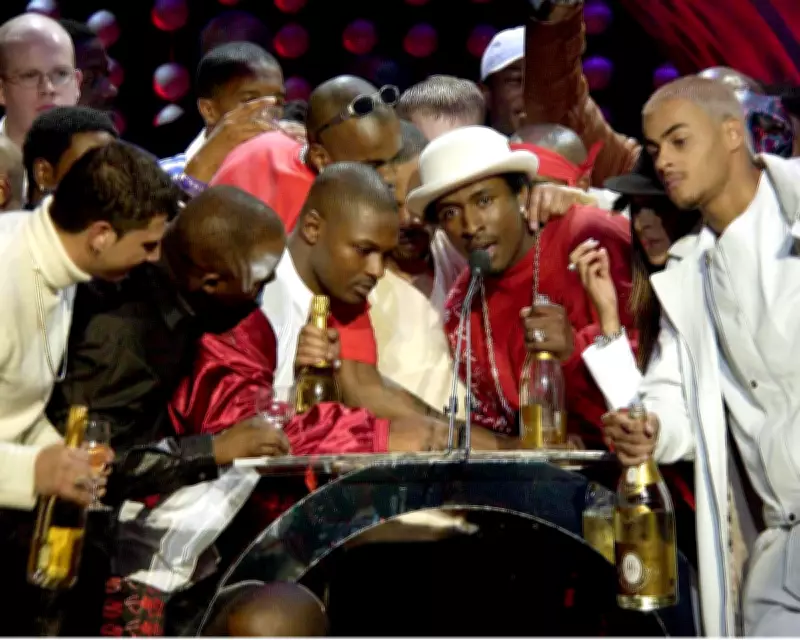
For audiences witnessing performances by rising stars like Olivia Dean, Myles Smith, and Aitch at the Co-op Live arena in Manchester, the scene might feel worlds apart from 1996, when the Mobo Awards first launched. What began as a response to deep frustration has evolved into a joyful celebration of music of Black origin, yet founder Kanya King insists the core mission remains urgent three decades on.
From Frustration to Cultural Force
King, Mobo's founder and chief executive, recalls the awards' origins stemming from "a very real sense of frustration." She observed Black music and culture profoundly shaping British culture but lacking proper recognition or respect from the mainstream industry. This frustration persists despite Mobo's growth into one of the music industry's most recognisable brands, consistently advocating for greater acknowledgment of Black musical contributions.
"Did I think we'd still be here 30 years later? Honestly, no," King admitted with a laugh. Initially focused on making the first awards show happen—remortgaging her home and risking everything due to limited resources and skills—she found that the need driving Mobo never faded. "The landscape evolved, but the core mission, whether that was recognition, opportunity and equity, is just as important today."

Black Music: The Engine, Not a Subculture
Recent research from UK Music underscores Black music's monumental impact, accounting for approximately 80% of the UK's recorded music market—£24.5bn of the sector's £30bn revenue. King, honoured with an MBE in 1999 and a CBE in 2018, emphasised that the Black Music Means Business report reveals "Black music is not a subculture. It is the engine, and yet it's not being treated that way."
She highlighted a contradiction at British culture's heart: Black music influences listening habits, language, fashion, and storytelling, effectively defining Britain's cultural identity. Yet, structurally and institutionally, it often remains marginalised, treated as a niche genre or something "other."
Persistent Inequity in Representation
Despite generating substantial revenue, the music industry lags in representing Black communities among its staff. A 2024 workforce survey found only a quarter of music industry employees came from Black, Asian, and minority ethnic backgrounds. King explained this disparity roots in history: "Black music in Britain grew out of communities that were themselves marginalised, immigrant communities, working-class communities, communities outside traditional centres of power."
Consequently, the industry wasn't built with these voices in mind, forcing communities to construct their own ecosystems. "When something is built outside of the system, the system often struggles to value it," she noted. While progress since the 1990s has increased visibility and discussions about Black music's contributions, "progress is not the same as parity and it really is not happening fast enough."
A Call for Action and Mobo's Pioneering Role
King urged a "bias for action from those in positions of power, whether that's government, whether that's media, business." She stressed that reports alone don't create change; action does. Mobo has led by example for decades, notably in decentralising events. While the Brit Awards recently made headlines for venturing outside London for the first time, Mobo held its first awards outside the capital in 2009—17 years earlier—and has since moved around the UK regularly.
"We wanted to create that huge impact, it was about equity, it was about who owns the culture, who benefits from it, who has the power to build business and infrastructure around it," King said regarding the decision to expand beyond London. "If we get that right, the future is incredibly exciting. If we don't, we risk continuing a cycle where the culture is celebrated but the communities behind it are not fully rewarded."

Building Infrastructure and Opportunity
Mobo's fringe activities around the awards aim to support emerging artists from outside London, providing a platform in an industry heavily reliant on contacts. Last year's Newcastle fringe generated an estimated £1.3m for the local economy, but King emphasised its greater value: "It created access for young people, emerging artists and communities that don't always get those opportunities. It created a lot of confidence and validation that you cannot put a price on."
She concluded: "We're not just celebrating success but we're creating opportunity. We're not just recognising talent but we're building the infrastructure around it because ultimately Mobo has always been more than music. It's about shifting culture and making sure that that shift continues and creates real lasting change."
The Mobo Awards 2026 will be available to stream live on the Amazon Music UK channel on Twitch on 26 March, with Access All Areas: MOBO Awards 2026 airing on BBC One on 27 March at 11:25pm.