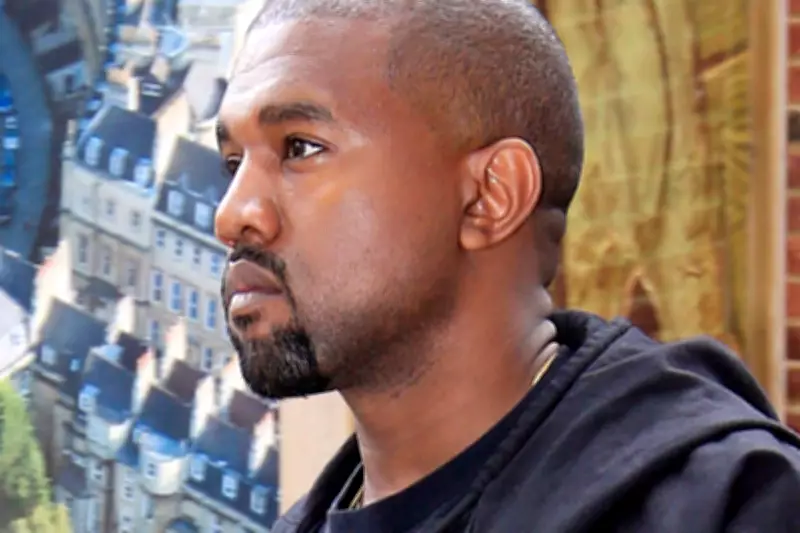
The Home Office has withdrawn Kanye West's electronic travel authorisation, effectively barring the controversial US rapper from entering the United Kingdom. This decisive action has led to the immediate cancellation of the Wireless Festival, where West, now known as Ye, was scheduled to headline three performances in London's Finsbury Park this July.
Festival Cancellation and Refunds
Organiser Festival Republic confirmed that all ticket-holders will receive refunds following the cancellation. In a statement, the company expressed regret over the situation, noting that multiple stakeholders were consulted prior to booking Ye and no initial concerns were raised. The statement emphasised that antisemitism in all forms is abhorrent and acknowledged the personal impact of these issues.
Prime Minister Sir Keir Starmer publicly stated that the Gold Digger rapper, who has utilised Nazi imagery and faced serious accusations of antisemitism, should never have been invited to headline the festival. West's headline sets had provoked widespread calls for a UK ban due to his behaviour, which included releasing a song titled Heil Hitler and advertising a swastika T-shirt on his website.

Other High-Profile Performers Blocked from the UK
Kanye West is not the first performer to have been refused entry to the country. The Home Office has a history of denying visas and travel authorisations to artists deemed to pose a risk to public order or whose past conduct raises significant concerns.
Tyler, The Creator
The American rapper was banned by the then home secretary in 2015. Officials claimed the ban was due to lyrics he wrote in 2009, which were alleged to encourage violence and intolerance of homosexuality. His manager insisted these were old lyrics that he had not written since, highlighting the contentious nature of the decision.
Snoop Dogg
Snoop Dogg was banned from the UK in 2006 following a disturbance at Heathrow Airport. However, this ban was eventually lifted, allowing him to perform at Glastonbury in 2010. The Drop It Like It's Hot rapper has since become co-owner of Championship football club Swansea City, illustrating how such bans can be temporary.
Chris Brown
The R&B singer was denied a visa to enter the UK days before his tour was due to start in 2010. This decision came after Brown was sentenced to community labour for assaulting his then-girlfriend, pop singer Rihanna. Separately, Brown is due to face a jury trial on October 26 over an allegation he attacked a former friend at a private members' club in Mayfair. At earlier hearings, he was ordered to pay a £5 million security fee as part of his bail conditions.
Julien Blanc
The American "pick-up artist" was blocked in 2014 after his advice on how to attract women sparked public fury. He had planned to hold seminars in the UK but had his visa application turned down, demonstrating the UK's stance against individuals promoting harmful behaviours.
These cases underscore the UK government's rigorous approach to immigration and public safety, particularly concerning high-profile individuals with controversial backgrounds. The cancellation of Wireless Festival highlights the significant economic and cultural repercussions of such entry bans, affecting not only the artists but also event organisers and thousands of music fans.