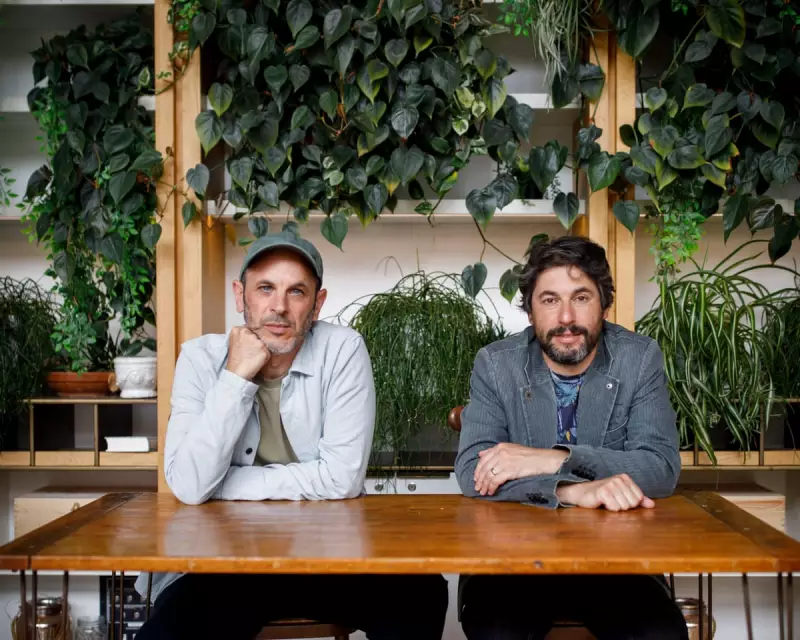
For over two decades, the Jewish klezmer-dance collective Oi Va Voi has performed globally, blending traditional Eastern European folk tunes with contemporary drum 'n' bass and dance rhythms. Yet this year, the band experienced a first: the abrupt cancellation of two long-planned UK concerts following protests from activists, an event that has left its members feeling profoundly targeted for their identity.
The Devastating Impact of Cancellation
Drummer Josh Breslaw, 52, described the experience as "devastating." The band was set to conclude a spring tour of Turkey with a performance in May at Bristol's Strange Brew club, followed by a homecoming gig in Brighton, where Breslaw lives. Both were called off. Strange Brew initially cited "the ongoing situation in Gaza," later stating the band had not met its "ethical standards" due to past performances in Israel and collaborations with Israeli singer Zohara.
"It felt so unjust," Breslaw said. The subsequent cancellation by the Brighton venue in solidarity was even more painful. "It changed how I felt about the city, how I felt about parts of the music industry. And it changed how I felt about the political home I always felt I lived in." While the Brighton promoter apologised swiftly, Strange Brew only issued a statement in November admitting a "mistake," suggesting scrutiny arose because Oi Va Voi is "a Jewish band performing with an Israeli singer."

A Climate of Fear and Scrutiny
Meeting at north London's JW3 Jewish community centre, Breslaw and clarinettist Steve Levi, 49, conveyed raw emotions. The centre, like many Jewish spaces, now features rigorous airport-style security—a heightened reality since the Manchester synagogue attack. Levi expressed frustration at having to hire extra security for a recent London gig: "Musicians shouldn’t have to look over their shoulder when they’re on stage."
Oi Va Voi's experience is not isolated. They are wary of a regalvanised cultural boycott campaign, which urges artists to sever ties with Israeli counterparts. While framed as peaceful, the line between boycotting Israeli institutions and targeting Jewish individuals appears to be blurring. Radiohead's Jonny Greenwood faced credible threats leading to cancelled UK gigs with an Israeli musician. Furthermore, two British Jewish comedians, Rachel Creeger and Philip Simon, had Edinburgh Fringe shows cancelled over cited security concerns and, in Simon's case, his "views concerning the humanitarian situation in Palestine."
Breslaw fears the creeping normalisation of viewing British Jews as suspect. "It’s deciding that this group of people is responsible for something and they’re a threat, when they couldn’t be further from a threat," he argued, connecting this sentiment to a climate that can enable violence.
Music as Identity and Response
Formed in the early 2000s, Oi Va Voi was born from friends exploring the klezmer melodies of their grandparents' generation alongside the breakbeat, soul, and jazz of their own. They have played Glastonbury, won BBC Radio 3 awards, and performed across Europe without incident, including in predominantly Muslim Turkey. Their music often explores exile and migration, resonating widely. Amid the cancellation furore, an Iranian fan messaged to say he listened to their 2003 song Refugee daily before seeking asylum in Germany.
The band faced specific activist allegations over playing in "occupied Palestinian lands"—they say they performed in Tel Aviv, not occupied territories—and over an unrelated album cover by singer Zohara featuring watermelons, a symbol adopted for Palestinian resistance. The bandmates stress Zohara is an active anti-war protester in Tel Aviv, critical of the Netanyahu government.
In response to the cancellations, the band released the exuberant track Back to My Roots, built around a defiant klezmer melody. It features cantorial singing and the blast of a shofar (ram's horn). "That’s about calling you back to who you are every year," Levi explained. Their new album, The Water’s Edge, and songs like Dance Again—a response to the Nova festival massacre—carry a theme of defying adversity with hope.

The band remains cautious about being drawn into political declarations or a culture war. They refuse to be held accountable for a foreign government's actions and question the demand for artists to constantly make statements. "I don’t understand this need for all the artists out there to make their statement, as if – if they didn’t make it – people would assume that they must really love the war," Breslaw said.
Looking ahead, Breslaw notes some bookers now seem wary, likely fearing "the heat of the intimidatory tactics." He understands the fear of losing business but poses a critical question: "If everyone does that, where does that leave us?" For Oi Va Voi, continuing to perform is an act of resilience, a refusal to be erased from the UK's cultural landscape.