Expert Advice on Embracing Music at Any Age: From Novice to Enthusiast
There are numerous benefits to engaging with music, regardless of whether you are one year old or one hundred. But how should one approach selecting an instrument to play? What are the best options for a complete beginner? We consulted musicians for their insights on how to cultivate a more musical life, no matter your age.
Know That It Is Never Too Late
"There is no age limit on learning," says singer-songwriter Billy Bragg from Dorset. "It is not a teenage thing. If you feel the music, you can probably play it and turn that feeling into something creative." Jennifer John, a composer and vocal arranger from Liverpool, adds, "It is never too late to do anything, especially not creatively, because creativity allows you to be playful. If you think back to when you were a child, that came naturally."
Listen Deeply
"Part of being involved in music is learning how to listen," explains John. "When you’re listening to music, think about why you like it." This reflection can help you decide not only which instrument to play but also the sound you wish to achieve. Antony Szmierek, an indie hip-hop artist from Hyde near Manchester, notes, "A musical life can be many different things. Going to more shows, joining a choir, listening to an album each morning: music is the antidote. I think that people should be letting it into their lives in whatever possible way."

Pick Something Easy to Learn
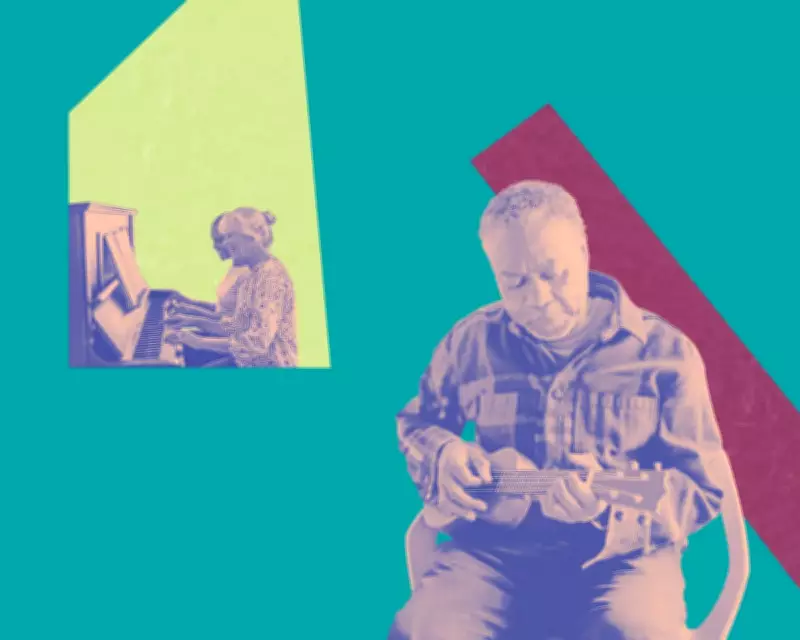
Billy Bragg suggests starting with accessible instruments. "I don’t think of myself as a musician – I think of myself as a guitar player. With a guitar, you just have to know where to put your fingers to make the chords. It is a busker’s instrument." For those very young or old, he recommends the ukulele or harmonica. Susannah Simmons, a violinist and teacher in West Yorkshire, highlights folk violin as a great genre for adult beginners, with many community ensembles available. Aga Serugo-Lugo, a multi-instrumentalist from London, praises the piano or keyboard for instant gratification, or suggests joining a samba band or steelpan orchestra.
Find a Teacher
Bragg learned guitar from a neighbour as a teenager, emphasizing that "it’s not about having a great teacher, it is about the impetus." Jennifer John, who is relearning violin and guitar, uses both in-person and online lessons, noting that "anything that gets you involved in music is a good thing." Serugo-Lugo points to music hub programmes across England as valuable resources for finding local teachers and affordable instruments.
Practise Hard but Don’t Obsess
Susannah Simmons advises setting personal goals and practising regularly, from 10 minutes to hours daily. John practises for half an hour each day, stressing not to be too hard on yourself. Serugo-Lugo recommends splitting practice into scales, teacher assignments, and enjoyable pieces to avoid it feeling burdensome. Rosa Walton of Let’s Eat Grandma highlights passion over technical perfection, suggesting that "you can learn as you write – you naturally get better technically as you do it." Bragg warns against making learning feel like an insurmountable challenge.
Play with Others
Playing music with others offers social and health benefits, says Serugo-Lugo, as it engages multiple brain areas and emotional intelligence. Walton advises choosing bandmates with whom you share a vision and personality connection.
Use Your Lungs
Singing in unison is a primal joy, according to Szmierek, whether at gigs, football matches, or karaoke. John compares it to exercise for releasing serotonin and endorphins. Serugo-Lugo mentions non-audition choirs as a great entry point for those lacking confidence.
Don’t Worry About Messing Up
Szmierek notes that nerves before performances are normal and can be welcomed, as audiences appreciate raw, human moments. John emphasizes breathing techniques to calm nerves and improve focus. Bragg reassures that performance isn’t necessary; playing alone can be fulfilling.

Write Songs for the Right Reasons
Walton encourages following instincts and not fearing bad songs, as all songwriters produce them. She writes daily to make sense of the world, focusing on the process rather than the end goal.
Accept That No One Is Perfect
Serugo-Lugo reminds us that even professionals like Beyoncé are always learning. "Think of it as this endeavour where you’re constantly trying to improve. That is a much healthier approach to music-making."