Candombe: Uruguay's Once-Banned Rhythm Now Captivates the Nation
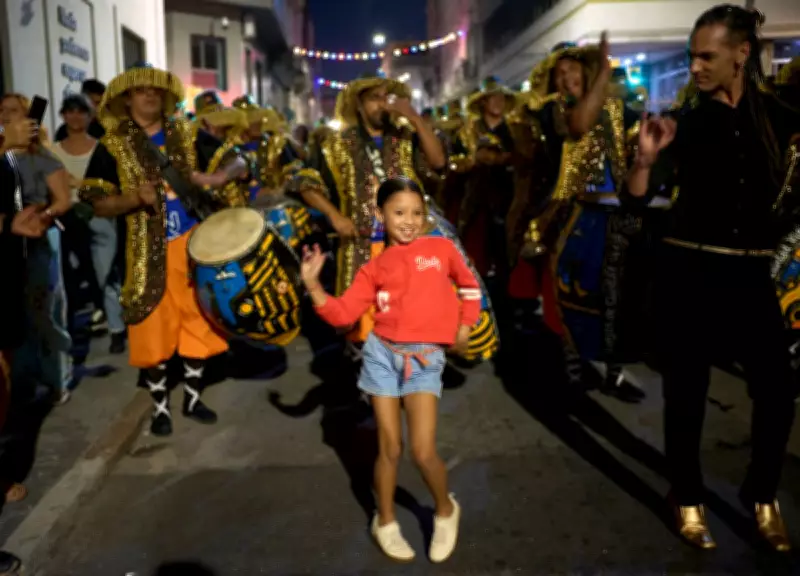
In the vibrant streets of Montevideo, Uruguay, a young girl dances with the Lonjas de Ciudad Vieja comparsa, practicing candombe, an Afro-Uruguayan rhythm with deep historical roots. This music, born among enslaved Africans and once reviled and banned, is now experiencing a remarkable resurgence, drawing thousands to public squares and carnival parades across the country.
A Cultural Turning Point
Like the blues in the US, samba in Brazil, rumba in Cuba, and plena in Puerto Rico, candombe was marginalised for centuries. However, while other such genres have long been part of the cultural mainstream in the Americas, candombe is only now reaching its peak in Uruguay. Once confined to the Black neighbourhoods of Montevideo, candombe groups have spread to every region of this South American nation of 3.5 million people, 10% of whom identify as Afro-Uruguayan.
One notable group, Rueda de Candombe, has been attracting up to 2,000 people every Monday to Plaza España, a public square in Montevideo. Their repertoire is entirely national and rooted in the Afro-Uruguayan rhythm. Claudio Martínez, 47, a singer and percussionist with the group, remarked, "I think we are at a turning point." He highlighted the significance of their performance location, noting that in the 18th and 19th centuries, Africans and their descendants could only play their drums in secrecy or at authorised parades, often just outside the city walls.

Historical Roots and Modern Recognition
Candombe emerged from the more than 200,000 enslaved Africans sent to Uruguay during 250 years of slavery, primarily from central Africa. Its name is believed to derive from the Bantu language family, roughly meaning "of Black people." Although it occasionally incorporates instruments like acoustic guitars or accordions, candombe is primarily defined by three drums: piano, chico, and repique. Researcher Tomás Olivera Chirimini explained, "They each have a distinctive sound that corresponds to the human voice. That is why candombe can be defined as a dialogue between 'human' voices."
Despite being banned historically, candombe gradually gained acceptance, thanks to artists like Rubén Rada. It was granted protection under national law in 2006 and recognised by UNESCO as an intangible cultural heritage of humanity in 2009. Chirimini observed, "And here we are now, in 2026, with candombe – which was born in a tiny part of Montevideo – having spread across the entire country."
Challenges and Celebrations
The newfound popularity of candombe is evident in its adoption by mainstream artists. Jorge Drexler, 61, Uruguay's biggest singer and the first Latin American to win an Oscar for best original song in 2005, has made candombe the protagonist of his new album, Taracá, set for release on 12 March. Rueda de Candombe features on three tracks, and the genre's rhythms permeate much of the album. Drexler described candombe as "a trance, a spiritual tool" and noted its ability to build bridges in a polarised world.
However, this success brings challenges. Chirimini pointed out that candombe is "changing colour: more than half of what is done today is by white people." Diego Paredes, 41, another musician with Rueda de Candombe, echoed this, stating that while they inherited spirituality and strength from their ancestors, they also inherited poverty, making negotiations with non-Black entrepreneurs difficult.
Voices of Resistance and Identity
Chabela Ramírez, 68, a leading candombe artist and Afro-feminist, emphasised the music's origins in resistance and spirituality. She warned, "Sometimes I'm afraid that what happened to tango [in Argentina] could happen to candombe," referencing how tango's Black roots are often overlooked. Ramírez explained, "The drums take the place of the human voice, because singing was not permitted, nor were enslaved people allowed to speak to one another. Candombe had, and still has, a very important role in communication."

As candombe continues to thrive, it serves as a powerful reminder of Uruguay's complex history and the enduring spirit of its Afro-descendent community. From banned rhythms to national pride, this music is not just entertainment but a vital part of cultural identity and resilience.