Brazil's Soap Opera Industry: The Hidden Engine Behind Oscar Success
While Hollywood actors dominate the silver screen, Brazil's journey to cinematic stardom frequently begins under the intense illumination of television studios rather than expansive movie sets. This distinctive pathway has cultivated numerous talents who later grace Oscar-contending productions.
The Telenovela Training Ground
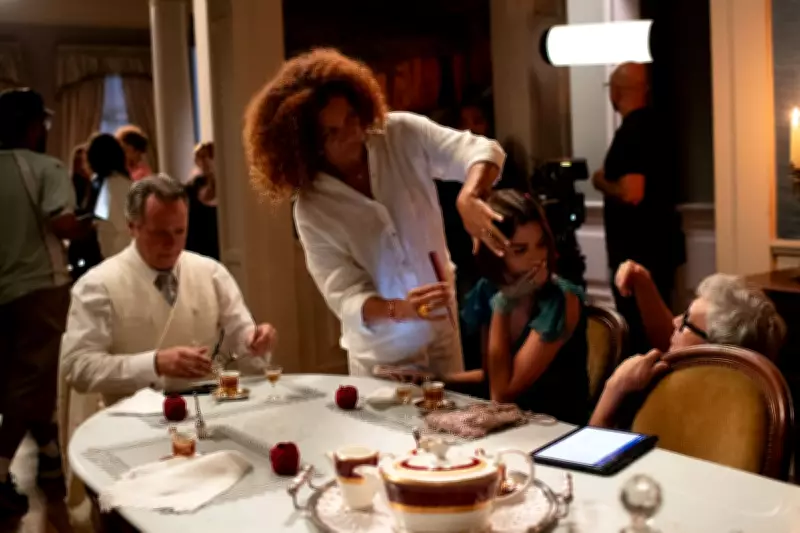
Since the 1960s, the telenovelas produced by Brazil's premier broadcaster TV Globo have transformed from basic daily dramas into a multi-million-dollar entertainment powerhouse. The operation boasts thirteen studios, three dedicated set towns, and one hundred twenty-two editing bays, reaching up to sixty million of Brazil's two hundred thirteen million citizens weekly.
Many Brazilian performers linked to Oscar-recognized films initially achieved household name status through TV Globo's extensive programming. Notable examples include Wagner Moura and Fernanda Torres, who gained widespread national recognition via popular soap operas before transitioning to acclaimed cinema.

A Symbiotic Entertainment Ecosystem
Brazil's cinematic landscape presents a stark contrast, with only about three thousand five hundred movie theaters predominantly located in major urban centers, where American blockbusters often dominate screenings. This structure fosters a unique cycle where television success leads to significant film roles, which then circle back to popular telenovelas, creating a continuous professional loop for actors.
"Globo's telenovelas are fundamental for Brazil's audiovisual production," emphasized Amauri Soares, director of TV Globo and Globo Studios, describing them as "a continuous platform of creation and production of content."
Soares highlighted that the Oscar-nominated film "The Secret Agent" features actors and crew with Globo backgrounds, includes Globo investment despite its independent status, and involves professionals who will likely return to the broadcaster.
Production Scale and Cultural Impact
TV Globo broadcasts three simultaneous soap operas from early evening through prime-time, produced primarily at Rio de Janeiro studios. These productions typically run for six months, airing Monday through Saturday, and involve over one thousand personnel. A telenovela finale often becomes a national viewing event, with bars, restaurants, and gyms broadcasting key episodes.
The industry demands remarkable adaptability, with some episodes written merely days before airing based on audience ratings, allowing viewers to indirectly co-create narratives. The economic influence is substantial; a remake of the hit "Vale Tudo" reportedly generated over two hundred million reais (approximately thirty-eight million dollars) in advertising revenue—quadruple the global box office earnings of "The Secret Agent."
Talent Development and Industry Integration
Annually, TV Globo recruits up to seventy new actors from theater, film, and regional productions. Soares notes they refine their skills using advanced equipment and contemporary techniques for approximately one year before many depart for other projects, while others remain for additional soap operas or short series.
Dira Paes, a veteran actor and frequent TV Globo commentator during Oscar ceremonies, observes that Brazil's soap opera and cinema industries are increasingly interconnected. Professionals fluidly move between sectors to pursue creative opportunities and enhance earnings. Paes recently appeared in the popular telenovela "Pantanal" and the film "Manas," praised by Julia Roberts and Sean Penn.
"Soap operas are not only about ratings, but also heart and affection," Paes reflected. "When you perform during prime-time, you experience the power of an entire nation watching you. When the public loves your character... it is a very special popularity."
Cultural Dynamics and Professional Dilemmas
Mauricio Stycer, an author and television culture critic, suggests Brazil's socioeconomic inequality bolstered free television channels like Globo, potentially diminishing general public interest in cinema. He contends this dynamic led to "Brazilian cinema holding a grudge for not having the same reach of soap operas."

Stycer added that many actors face a Hamletian dilemma when recruited for soap operas: "To be popular and have a sure income every month or to take risks in a career that involves theater and cinema? TV was always a safe haven for most actors."
Although rival Brazilian networks have attempted to challenge Globo's soap opera dominance, few have succeeded. Even Globo productions are less dominant than during their peak up to the early 2010s, with executives acknowledging growing competition from streaming video platforms.
"Globo is still Brazil's biggest company for actors," Stycer affirmed. "Up until the year 2000, Globo alone was responsible for about fifty percent of TV ratings in Brazil."
Embracing Dual Artistic Identities
Actor and director Lázaro Ramos, who first appeared in soap operas after beginning his career in theater and cinema, asserts Brazilians have learned to cherish both telenovelas and films with equal passion when they successfully portray the nation's vibrant and occasionally somber character.
"Brazilians see themselves in telenovelas, more and more," Ramos stated. "Our acclaimed writers created many of them based on literary classics. They are an investment in a national voice through characters, language, and aesthetics that viewers greatly identify with."
Ramos, a lifelong friend of Wagner Moura, will attend the Academy Awards but plans to return promptly to Brazil to continue working on his new soap opera, "A Nobreza do Amor." For him, the capacity to transition between theater, cinema, and television sustains Brazilian performers.
"An American actor could get ten million dollars for a film. That's not the Brazilian reality," he noted. "But telenovelas are not a lesser product; they are a product of the highest quality."