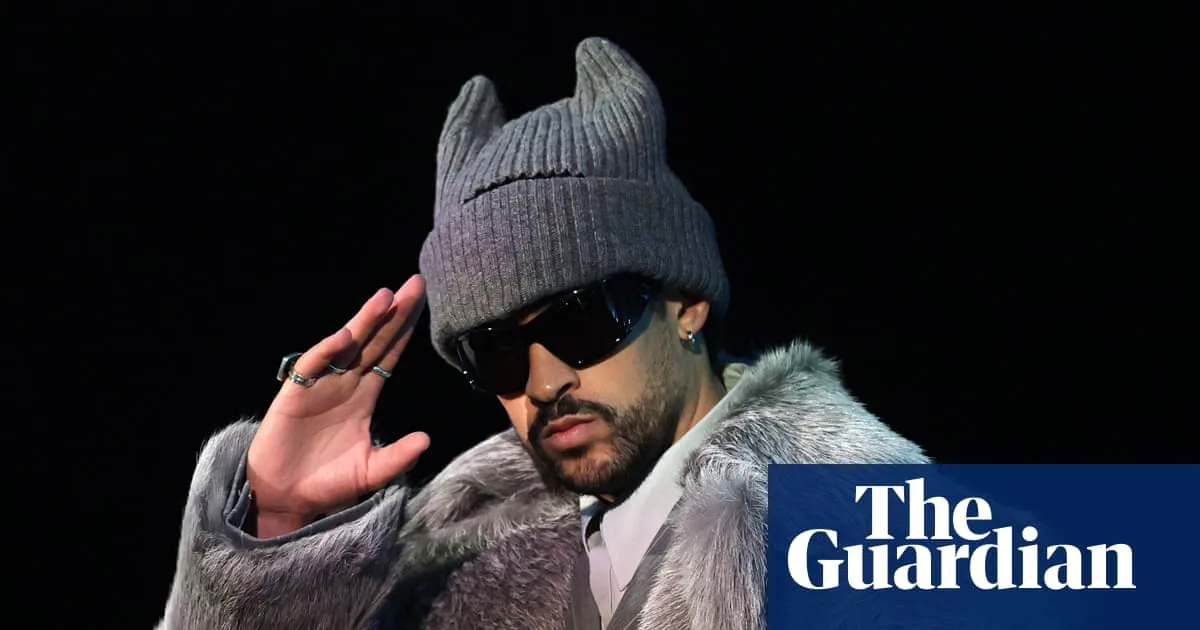
Puerto Rican singer Bad Bunny is set to perform two sold-out shows this Friday and Saturday for more than 40,000 people a night at a football stadium in São Paulo, Brazil. This marks a significant breakthrough for a Spanish-speaking artist in Portuguese-speaking Brazil, where Latin identity has historically been weaker than in neighbouring countries.
A survey published a decade ago found that 79% of Brazilians primarily identified as 'Brazilian', with only 4% describing themselves as 'Latin American'. However, Bad Bunny's Super Bowl half-time performance, where he named Brazil among Latin American countries, sparked a wave of declarations of Latin belonging on social media. A leftwing congresswoman even proposed granting him 'honorary citizenship' to build cultural bridges.
DJ Rafael Takano, who has hosted Latin music parties in São Paulo since 2016, noted that demand has surged since last year. 'Especially with DeBÍ TiRAR MáS FOToS, Bad Bunny conveyed a message and aesthetic that are very universal for Latin America,' he said, adding that it has made it easier for Brazilians to see themselves as Latin.

Thiago Soares, a researcher at the Federal University of Pernambuco, said Bad Bunny broke through in Brazil 'in a different way, aligned with a more anti-American agenda of emancipation', unlike the more commercial appeal of artists like Shakira. He suggested that US President Donald Trump's tariffs and interference in Brazil's judiciary may have fuelled interest in the outspoken critic of Trump's policies.
Despite filling two stadium nights, Soares noted that Bad Bunny is 'not yet mainstream' in Brazil, lacking soap opera songs or collaborations with local artists. However, he became the first non-Brazilian Latin artist to place a solo track on the country's Billboard Hot 100 list. 'It moves me because I recognise that in Brazil people listen more to Brazilian music,' Bad Bunny said in a recent interview.