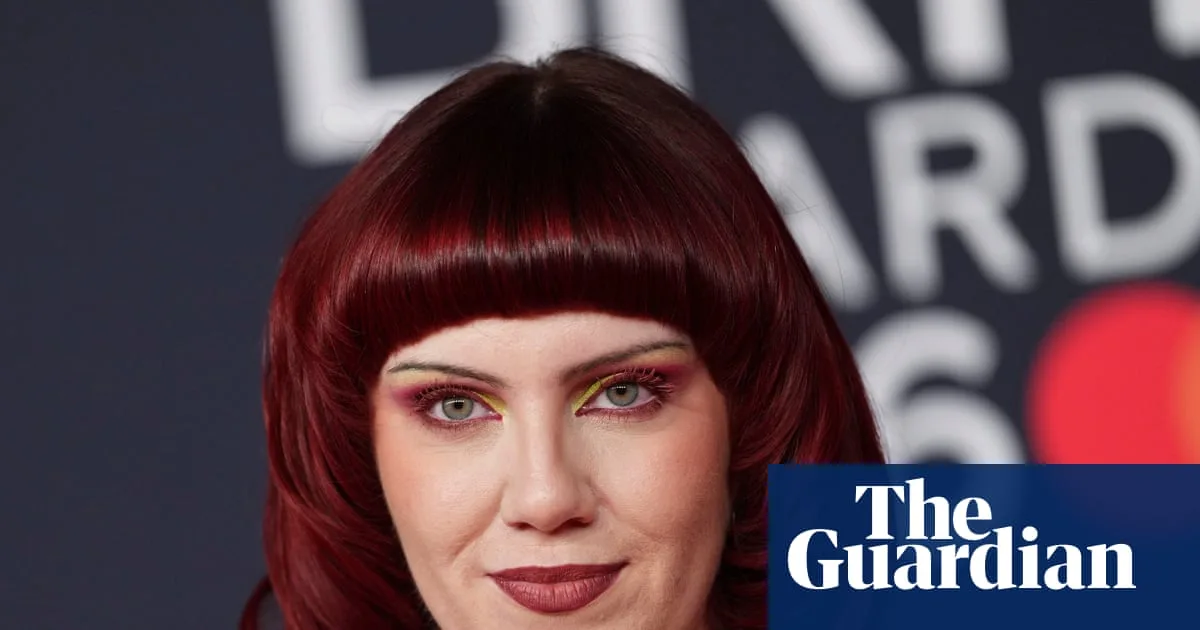
Artists including CMAT, Wet Leg, Loyle Carner, Wolf Alice and Self Esteem voiced alarm over the rise of Reform UK on the Brit Awards red carpet, urging musicians to embrace political expression. Speaking at the ceremony in Manchester, the nominees described the political climate as 'scary' and warned of a 'dark place' ahead.
CMAT, nominated for international artist of the year, said: 'Everything is politics. But more than ever, art is politics because you don’t get to make art in a fascist state. Fascism is on the rise in every single country in the world.' She criticised those who argue art should stay out of politics, calling it 'cowardice' and a sign of detachment from ordinary people.
Wolf Alice bassist Theo Ellis noted that musicians have the power to expose audiences to information, particularly on issues like Gaza, where he said legacy media has fallen short. He described the rise of the far right as 'shocking', adding that the Green party’s byelection victory in Gorton and Denton, with Reform in second, 'just shows how extreme times are'.

Wet Leg’s Rhian Teasdale stated: 'To be apolitical is political.' Bandmate Joshua Omead Mobaraki expressed hope in the Greens’ new MP, Hannah Spencer, saying: 'I don’t want Reform UK to win any seats.' Self Esteem, nominated for artist of the year, said: 'This country’s getting scarier and scarier. I’m genuinely terrified that we’re going into a dark place.' She urged: 'Vote Green.'
Loyle Carner, nominated in the hip-hop category, called it 'scary times' but emphasised finding hope: 'For me what feels more powerful … is to try and find ways to express some sort of hope and generosity to the people like me who maybe feel marginalised or oppressed.'