The Bold Revival of Printed Hijabs: A Fashion Statement of Identity and Resistance
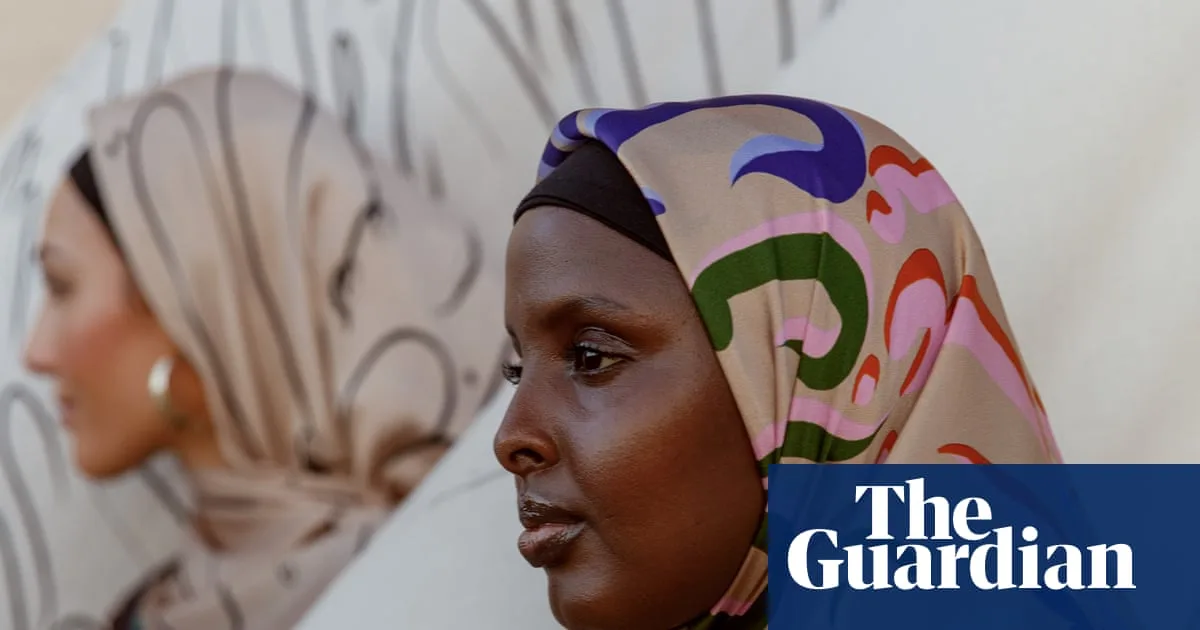
In the world of fashion, a vibrant transformation is underway as printed hijabs experience a full-throttle revival. For many Muslim women, particularly those in Generation Z, bold patterns and colourful designs are replacing the once-dominant plain black or neutral headscarves, marking a significant shift in both style and societal expression.
From Minimalism to Maximalism: The Evolution of Hijab Fashion
During the mid-2010s, hijab styles often leaned towards sleek and controlled aesthetics. Chiffon fabrics, careful draping, and a palette of beige, taupe, and black aligned with fashion's wider obsession with minimalism and quiet luxury. This period saw modest fashion gain broader recognition beyond Muslim circles, with influencers launching hijab brands and online drops of neutral scarves selling out rapidly.
However, this trend was more than just an aesthetic choice. Hafsa Lodi, journalist and author of Modesty: A Fashion Paradox, explains that post-9/11 Islamophobia significantly impacted how Muslim women dressed. "Donning neutral palettes rather than loud prints helped visibly Muslim women blend into a society that constantly 'othered' them," she says. For many, darker colours became a safety net, allowing them to stay safe and avoid drawing unwanted attention in Western societies.
The Rise of Bold Prints and Cultural Reclamation
Today, that narrative has flipped dramatically. Brands like Vela, founded in 2009 by sisters Marwa and Tasneem Atik, are at the forefront of this change. Their scarves, featuring everything from Bambi-style prints to Syrian-inspired motifs, regularly sell out within minutes. "There's no better way to stand out in your style and your fashion than in the printed hijab," says Tasneem. She describes this new wave as representing a boldness among Muslim women, asserting how they want to be seen and moving away from blending in for comfort.
This resurgence is not limited to the United States. In the UK, Sooqlina, a London-based modest fashion retailer founded by Lina Salih in 2024, has tapped into the market for digitally printed jersey-material hijabs. Polka dot and plaid headscarves from Sooqlina sold out within days, highlighting the growing demand. Salih notes that for many first- or second-generation immigrants, prints have always been embedded in their culture and history. "Growing up seeing our mums and aunties wearing them confidently was the standard, not the exception," she says.
Social Media and Subcultures: Amplifying the Trend
On platforms like TikTok and Instagram, the impact is evident. Vela has spawned a subculture of 'Vela girls' who share styling tips and tutorials, while other trends like Gyaru hijabis—a fusion of Japanese fashion subculture with hijab-wearing—have emerged. Diana Lomani, a 23-year-old content creator, observes that people now realise hijabs can be styled like T-shirts. "When people see us styling hijabs uniquely, they realise we're actually people instead of dehumanising us," she says. Lomani often incorporates her Palestinian heritage into her style, using tatreez embroidery and gold coin jewellery to spark conversations.
This shift is also intertwined with political expression. Vela's keffiyeh-inspired hijabs, printed with Urdu phrases about strength and resistance, have sold out repeatedly since late 2023. Marwa Atik emphasises that this is not merely a trend but an act of solidarity, particularly in support of Palestinians. In an increasingly polarising and Islamophobic climate, she views this representation as a form of resistance.
Economic Impact and Future Prospects
The move towards patterned hijabs is part of a booming global market. Muslim spending on apparel and footwear is projected to reach $428 billion by 2027, with fashion influenced by Islam becoming increasingly mainstream. However, this growth occurs even as politicians in some regions continue to stigmatise women who wear hijabs and burqas, highlighting the complex interplay between fashion, identity, and societal pressures.
Despite the popularity of bold prints, plain or black scarves remain a go-to for comfort and familiarity. Yet, for many young Muslim women, embracing expressive personal style fosters a sense of community and empowerment. It's energising to be part of a generation that wears its culture and faith unapologetically—not just on its sleeves, but proudly on its heads.