Lyas's Watch Parties Revolutionise Fashion Week Access
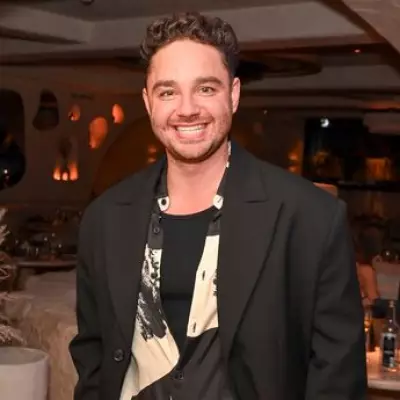
Fashion commentator Elias Medini, widely known as Lyas, is redefining the exclusivity of fashion week with his innovative watch parties. Once an outsider struggling for tickets, Lyas now hosts large-scale events that livestream runway shows to thousands of fans, aiming to democratise an industry long criticised for its closed-off nature.
From Rejection to Spectacle: The Rise of Watch Parties
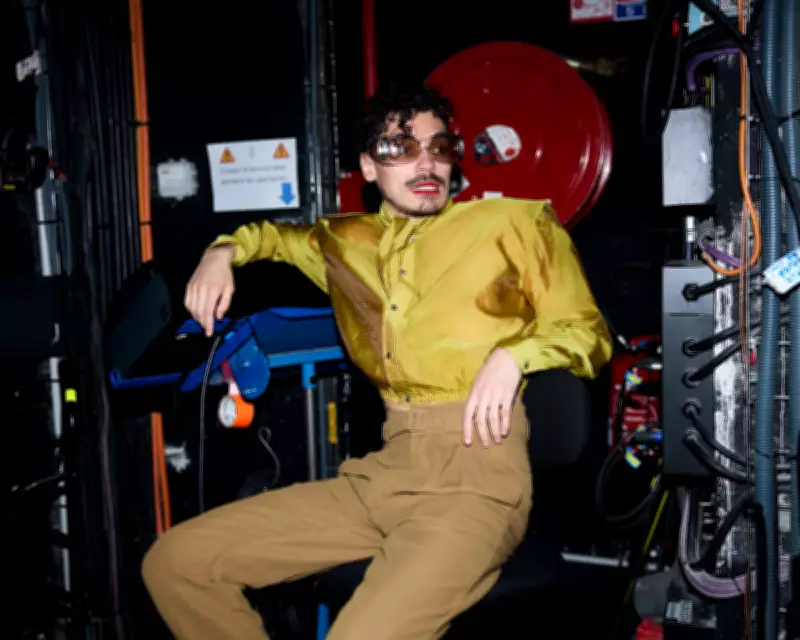
At the recent Paris Fashion Week, Lyas, a 27-year-old with nearly 500,000 Instagram followers, prepared to broadcast the Tom Ford show from backstage at the Théâtre du Châtelet. Having been denied a ticket, he streamed the event to 2,000 attendees in the auditorium, following similar successes with Saint Laurent and Chanel. His mission is clear: to open fashion week to those who would otherwise never experience it.
"Fashion is always about who is in and who is out," Lyas remarks. "The dichotomy between wanting to be in and out is real, but I love the energy outsiders bring." Dressed in a teal leather jumpsuit, he emphasises bridging the gap rather than dismantling the establishment, positioning himself as a David to fashion's Goliath.

Evolution of the Parties: From Drinks to Major Events
Lyas's watch parties began humbly after he missed Jonathan Anderson's Dior debut in June. Frustrated, he set up a TV in a Paris cafe, expecting 20 people; 300 showed up, spilling onto the streets. Now, his events feature schedules, guest lists, and PRs, with venues like the Théâtre du Châtelet chosen for centrality and capacity. "We paid little to borrow the theatre," he notes, "as they want to preserve fashion culture."
The parties have grown into chaotic spectacles, such as the Chanel debut at La Caserne, attracting 2,000 fans. Initially self-funded, brands like Casio and L'Oréal now sponsor them, though Margiela remains the sole house to refuse livestreaming. Lyas maintains a critical edge, having called out Dolce & Gabbana for all-white casting and accusing Vogue of copying his watch party concept.
Navigating the Insider-Outsider Divide
Lyas's success highlights the fine line between outsider and insider. Once a fringe commentator, he now receives front-row invites, attending shows like Acne and Saint Laurent while hosting watch parties. "It's complicated to say no to big brands that fund events," he admits, but he prioritises bringing newcomers, sometimes giving away his seat. His next goal is a fashion festival for all.
Audience members, like Luis, a 28-year-old marketing professional, praise the initiative. "It's crazy this is new for people like me who've never been to a show," he says, highlighting the importance of inclusive happy spaces. Lyas's journey from Rouen to Paris fashion magazines, and his pandemic-era rise via online communities, underscores how digital platforms can challenge traditional hierarchies.
Industry Impact and Future Prospects
While not the first to stream catwalks—Central Saint Martins has archived screenings since 1979—Lyas's parties have sparked broader conversations about accessibility. Fashion week remains exclusionary outside London, where student and disabled access is more common. Yet, Lyas's influence is undeniable; spotted front row at Alaïa, he proves some are too influential to ignore.
In a world where status dictates front-row seats, Lyas's watch parties offer a refreshing alternative, blending critique with celebration. As he plans his next moves, the fashion world watches closely, pondering whether true democratisation is within reach.