In a landmark moment for New Zealand's counterculture, the vibrant and defiant art of vogue ball has burst into the mainstream, finding a prestigious home at the nation's most significant cultural institution. What began decades ago in the queer Black and Latinx communities of Harlem has been passionately adopted and transformed by Māori and Pasifika queer communities, evolving into a powerful expression of identity and resistance that now commands audiences of hundreds.
From Harlem to Wellington: A Culture Finds New Roots
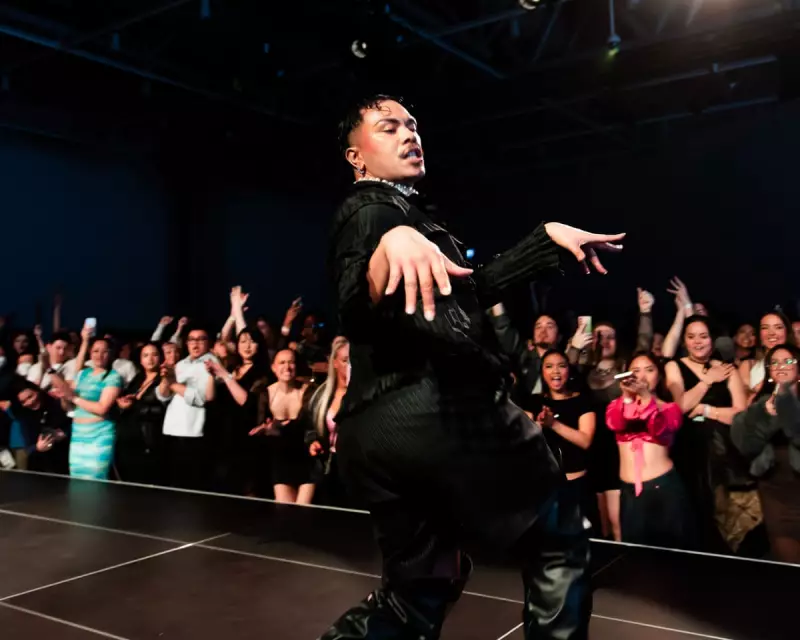
The scene was set at Te Papa Tongarewa, New Zealand's national museum in Wellington, in October. Within a large gallery, a crowd of over 600 people erupted in cheers as performers took to the stage. Dressed in spectacular, highly stylised costumes and moving with breathtaking precision, the artists—predominantly Māori and Pasifika—contorted their bodies into geometric shapes, executed dramatic dips to the floor, and paraded with the commanding attitude of supermodels. A panel of judges presided, delivering the iconic verdicts of ballroom culture: praise with "10s across the board" or dismissal with a single word—"chopped".
This was no ordinary performance. It was a vogue ball, an event born from a need for safe space and self-expression. Cypris Afakasi, known as Fatheir Fang of the Auckland-based Kiki House of Coven-Aucoin, describes the profound impact: "There is something really visceral about seeing black, brown, queer, indigenous bodies so authentically and unapologetically be themselves." In this culture, a "house" acts as a chosen family, a collective led by mother or father figures who compete and support one another.

Building Community and Stageing Resistance
New Zealand's ballroom scene began over a decade ago in Auckland, spearheaded by trans Pasifika and Māori individuals seeking community. It has grown exponentially from intimate gatherings in living rooms. Karamera, a Māori artist and house mother of Wellington's Kiki House of Marama, launched the city's first house in 2023 after being inspired by a 2020 ball. "To see other people holding themselves in a ballroom space who come from similar backgrounds is what really assured us," Karamera says. Their house now boasts 16 members, and their venues have transformed dramatically.
The move to Te Papa in October 2025 for Wellington's largest-ever ball marked a pivotal moment of recognition. Karamera praised the museum, stating, "They were such an example of allyship – I encourage other institutions to follow their example and allow the girls to feel like the celebrities they are." Rachel Fox, Te Papa's public programming manager, confirmed the institution's commitment, noting that platforming ballroom culture helps create "a more inclusive and affirming cultural landscape."
While honouring its New York origins, the local scene has developed a distinctly Māori and Pasifika flavour, evident in its music, styling, and cultural references. Crucially, it also serves as a platform for political statement. In a powerful act of protest at a 2024 ball at the Dowse Art Museum, House of Marama member Kiwi ripped up a depiction of the government's controversial treaty principles bill, echoing a similar act in parliament.
A Celebration of Queer Excellence and Survival
For its participants, ballroom is far more than performance. "Every day for us is a survival … ballroom is an outlet for resistance," explains Karamera. It is a space where marginalised identities are not just accepted but celebrated with unbridled joy. The culture's vernacular—phrases like "yas queen" and "throwing shade"—has entered the global mainstream, but its heart remains in community and empowerment.
Ultimately, the rise of vogue balls in Aotearoa represents a triumph of queer excellence. It offers a perspective on life that both honours and dismantles conventions. For newcomers, Karamera has a simple message: "get ready to be wowed." As the scene continues to grow from the grassroots to national institutions, it stands as a vibrant testament to the power of authentic self-expression and chosen family, proving that the most powerful poses are those struck in defiance and pride.