The Shawshank Redemption stands as one of the most celebrated and iconic films in cinematic history, yet a surprising revelation is emerging among its dedicated fanbase. Many viewers are only now discovering the true meaning behind the film's enigmatic title, decades after its initial release in 1994.
The Film's Humble Beginnings and Lasting Legacy
Directed and written by Frank Darabont, this prison drama was adapted from Stephen King's 1982 novella titled Rita Hayworth and Shawshank Redemption. Despite its current status as a cultural touchstone, the movie was originally a box office disappointment upon its debut. However, its critical acclaim is undeniable, with IMDb records showing it has garnered an impressive 21 awards and 42 nominations. In its first year alone, it secured seven Academy Award nominations, two Golden Globes, and even a Grammy Award for Best Instrumental Composition Written for a Motion Picture or for Television.
Plot and Character Dynamics
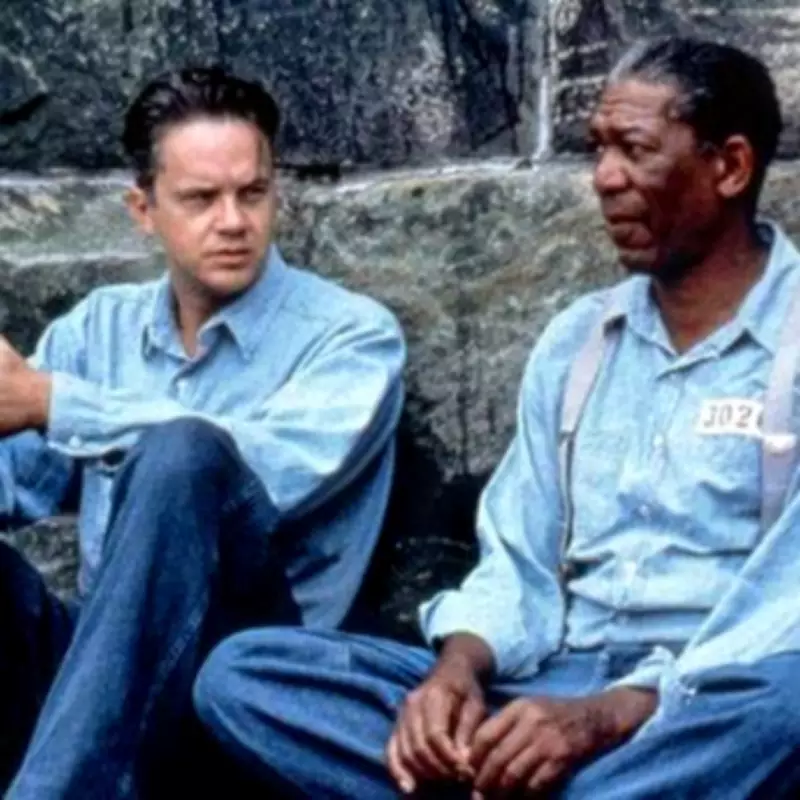
Starring Tim Robbins as Andy Dufresne and Morgan Freeman as Ellis "Red" Redding, the film follows the story of a banker wrongfully convicted of murdering his wife and her lover. Throughout his life sentence at Shawshank State Penitentiary, Andy maintains his innocence while forming deep bonds with fellow inmates, including Red. The narrative culminates in Andy's meticulously planned escape through a tunnel he digs from his cell wall, a testament to perseverance and hope.

Fan Interpretations and Online Discussions
Despite the film's enduring popularity, numerous fans have recently taken to online platforms to express their astonishment at only just grasping the title's significance. On Reddit, one user shared their long-held confusion, posting, "What is the meaning of the title Shawshank Redemption? I've been watching it for 20 years, but it's Shawshank, so it's always worth a watch." They then offered a personal interpretation, suggesting that the redemption refers to Red's character arc, where he learns to hope again after a poignant speech following the death of another inmate, Brooks.
Other viewers have proposed alternative meanings. One challenged this view, arguing, "I always thought it was because the jail became corrupted, and by exposing the truth Andy brought redemption to the prison." A third fan provided a more literal take, stating, "That may be an accurate interpretation of the film's events, but I mean, it's also about an innocent man escaping (redemption - 'atoning for a fault or mistake; deliverance, rescue') from a prison called Shawshank State Penitentiary."
The Origin of the Title
According to sources like SlashFilm, the title's roots lie directly in Stephen King's original work. The film is an adaptation of the novella Rita Hayworth and Shawshank Redemption, which appeared in King's 1982 collection Different Seasons. Director Frank Darabont made a strategic decision to shorten the title, removing Rita Hayworth's name to avoid confusion with a potential biopic about the Hollywood star. This move, however, did not entirely prevent misunderstandings.
Tim Robbins, in an interview with Entertainment Weekly, attributed the film's initial poor box office performance to its title, noting that people often struggled to remember it correctly. He recounted, "Well, it's the title, no one can remember the title. And that makes sense too, because, for years after that film came out, people would come up to me and say, 'You know, I really liked you in that film Scrimshaw Reduction' or 'Shimmy, Shimmy, Shake' or 'Shankshaw.'"
Enduring Cultural Impact
Today, The Shawshank Redemption is revered not only for its compelling storytelling and powerful performances but also for the deeper themes of hope, friendship, and redemption that continue to resonate with audiences. The recent discussions among fans highlight how even after thirty years, the film still sparks curiosity and debate, proving its timeless appeal in the world of cinema.