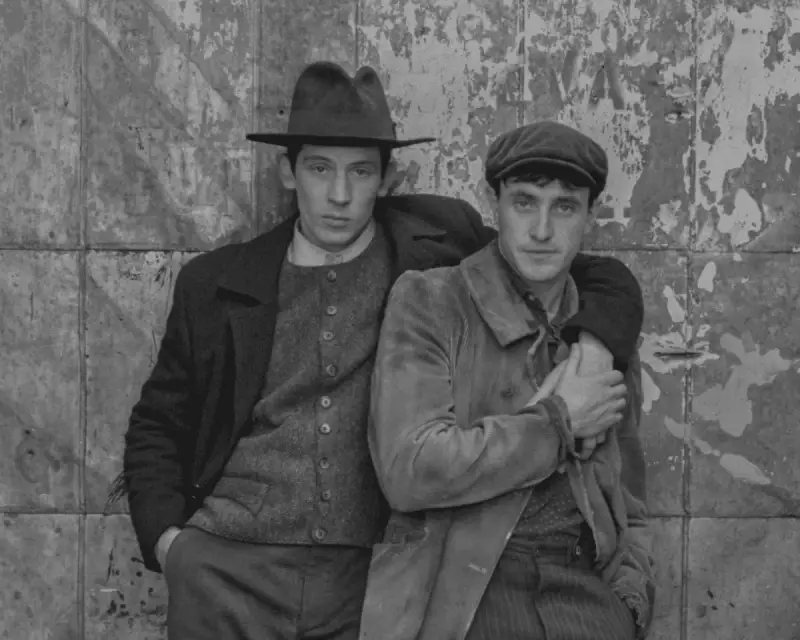
In a London hotel room on an autumnal Saturday afternoon, actors Paul Mescal and Josh O'Connor share an easy, tactile camaraderie. They are here to discuss their new film, The History of Sound, a poignant wartime love story that has been four years in the making. Despite both having higher-profile releases this season, their pride in this intimate project is palpable.
The Bond Behind the Camera
The pair, who play lovers Lionel and David in the film, exhibit a closeness that makes an interviewer feel like a third wheel. O'Connor, the elder by six years, is quick to help and attentive. Mescal, more puckish, carries a flicker of danger. Their physical ease—an arm around a chair, a reassuring squeeze—speaks of a deep friendship and a shared comfort in their craft, despite the several gay roles they have each portrayed.
Their partnership began in 2020 when O'Connor video-called Mescal to congratulate him on Normal People. "That film is quietly perfect," O'Connor sighs of Mescal's later Oscar-nominated turn in Aftersun. Mescal reflects on the surprise of that recognition: "You don't make something like Aftersun and think: 'I know where we'll be going in 2023!'"

The Vulnerable Heart of 'The History of Sound'
The film, set during the First World War, follows Mescal's singer Lionel and O'Connor's musicologist David as they reunite for a folk song recording expedition through rural Maine. The act of singing became a central, vulnerable pillar of the story. "Singing is such a vulnerable act," says O'Connor, despite his own musical past in school bands. Mescal agrees, comparing it to the tense silence in an Irish pub before a song begins: "You're afraid to breathe."
Both actors remained committed to the project throughout its lengthy funding search. "There were times when we thought it might not happen," O'Connor admits. For Mescal, it was a welcome change of pace after bulking up for Gladiator II. "The History of Sound felt like home to me," he says. "It's where I'm most comfortable."
The Cost of Inhabiting a Role and a Plan to Ration
The conversation turns to the emotional toll of their work. O'Connor speaks of actors as "soul collectors," noting that characters never truly leave. Mescal observes O'Connor's generous, empathetic approach, which sometimes comes "to the detriment of his own well-being."
This leads Mescal to a significant revelation about his future. "I'm five or six years into this now... I'm learning that I don't think I can go on doing it as much," he states, talking about rationing his roles. "It means learning that films like The History of Sound take more out of the well." He muses about returning to theatre or focusing on personal priorities.
O'Connor concurs, planning his own break. They confront the industry fear of disappearing. "The nightmare is resenting the work," O'Connor says. Mescal is stark: "I'd rather not be on the train if that is the choice." After promoting his upcoming Shakespeare film Hamnet, he hopes for a break until his role as Paul McCartney in the 2028 Beatles films.
Their secret to staying grounded amidst playing troubled men? "Being in your life, with your family, having privacy," says O'Connor. Mescal jokes that if they applied the same care to themselves as to their characters, "We'd be therapists."
The History of Sound is in cinemas from 23 January. It may not generate a flashy Oscars reel, but for its two stars, it represents the deeply personal, costly, and generous kind of filmmaking they cherish—and may soon choose more selectively.