The 2025 Kyotographie international photography festival in Kyoto, Japan, has unveiled its annual showcase under the theme "Edge." Since its inception in 2013, this spring event has become the nation's premier platform for photographic art, each year adopting a fresh thematic lens. This year's broad yet evocative theme allows curators considerable freedom while imbuing the 14 main exhibitions with a palpable sense of tension.
Daido Moriyama: A Retrospective
More than 200 images, 400 magazines, and 100 books fill the walls and tables of Daido Moriyama: A Retrospective, yet this comprehensive display only scratches the surface of the photographer's extraordinarily prolific career. Born in 1938, Moriyama belonged to a groundbreaking postwar generation whose work, initially featured in magazines, became synonymous with the are-bure-boke aesthetic—rough, blurred, and out-of-focus. Throughout his career, he has continuously questioned photography's essence and applications. Now in his 80s, he still photographs daily and publishes Record magazine.
Early on, Moriyama's image-making shifted from Western social documentary to a style driven by expression and feeling. In 1960s Japan, though no longer occupied by the US, the American presence lingered through military bases and cultural influx. Moriyama used his camera to navigate this transitional period, producing dark, atmospheric images that delved into popular culture and political unrest. A standout project from 1969, created for Asahi Camera magazine, each month scrutinized a different aspect of news media. In January, he explored the assassination of Robert Kennedy by photographing a TV screen and photocopying newspaper pages, revealing how images mediate news stories. For April, he employed a new telephoto lens to capture unsuspecting subjects, resulting in film-noir-style images that eerily foreshadow modern surveillance and facial recognition.

Linder Sterling: Collage and Feminism
Linder Sterling's work also originates in magazine culture. During Manchester's punk era, when mainstream media comprised only three TV stations and newspapers, she created fanzines on her kitchen table with minimal cost. These radical, exciting publications allowed her art to reach audiences. Magazines—whether fashion, DIY, or pornography—shared a common denominator: women's bodies. Linder cut these out and collaged them with household objects, using surgical scalpels to craft provocative feminist photomontages.
She also fronted the post-punk band Ludus and collaborated with musicians, notably creating Buzzcocks' album artwork for Orgasm Addict, featuring a muscular woman with an iron for a head and mouths on her breasts—a simple yet sophisticated image that is both sexy and subversive. When she began photographing her own body, she introduced performance elements, using everyday materials like clingfilm or magazine clippings to create living collage portraits.
Thandiwe Muriu: Identity and Camouflage
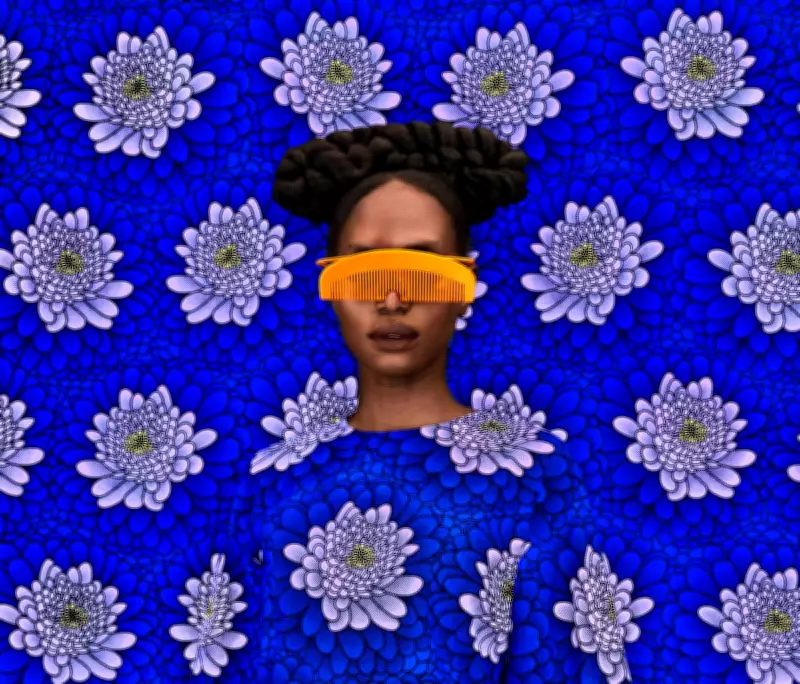
This year's African artist in residence, Thandiwe Muriu, employs brightly patterned wax cotton fabric known as kitenge in Kenya to explore identity, culture, and female empowerment. The patterns carry hidden meanings—for instance, "the eye of my rival" expresses jealousy—forming a unique language. Her series Camo is displayed in an old wooden building where kimonos are still handmade. Women dressed in kitenge stand before backdrops of identical patterns, nearly disappearing. Muriu speaks of feeling invisible to her community when she deviated from expectations to become one of Kenya's few female advertising photographers. In her pictures, hairstyles reference pre- and post-colonial African looks, and subjects wear surreal glasses made from household items that obscure their eyes, reminiscent of Linder's collages.

Fatma Hassona: A Voice from Gaza
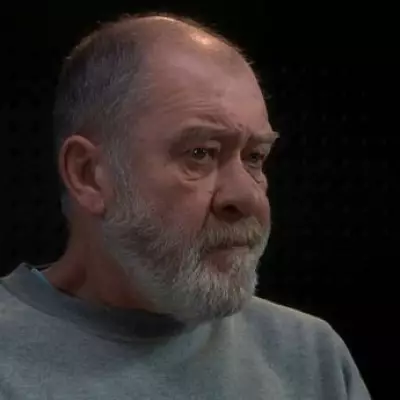
In a dark room within a former storehouse, an iPhone suspended from the ceiling displays the only light source. It shows Fatma Hassona, a young Palestinian photographer in Gaza, speaking to filmmaker Sepideh Farsi in Paris via video call over a year from 2024 to April 2025. Their conversations and Fatma's photographs comprise the documentary Put Your Soul on your Hand and Walk. On 16 April 2025, Fatma and nine family members were killed in an Israeli airstrike.
Standing in near-total darkness watching Fatma—often smiling and energetic—discuss life in war-torn northern Gaza is profoundly moving. She describes horrendous living conditions, deaths of loved ones, and her aspirations, emphasizing photography's role in showing the world the plight of ordinary people. When asked if she would leave, she replies, "My Gaza needs me." The exhibition also includes a slideshow of her war photographs.
Ernest Cole: House of Bondage
A rare 1969 footage of South African photographer Ernest Cole is displayed within the exhibition of his book House of Bondage. Filmed shortly after publication, when he was exiled and banned from returning, a young, exhausted, and frustrated Cole speaks directly to the camera. House of Bondage culminated years of documenting apartheid's harsh realities, becoming the first book by a Black photographer to depict Black South Africans' experiences. Intended as a catalyst for change, it largely fell on deaf ears.
The exhibition walks through the book by chapter, with additional photographs, magazine covers, and personal notes. Cole's sensitivity shines through—beauty and warmth in subjects' faces despite circumstances—and his compositions hold narrative power. His later life in New York, struggling as an exile in a racist culture, ended with him abandoning photography, becoming homeless, and dying of cancer in 1990.
Alongside the 14 main exhibitions, the satellite KG+ festival features 164 exhibitions, including a juried show whose winner is exhibited in the main festival the following year. Talks, workshops, and a book fair complement the program, and experimental music events have spawned the Kyotophonie festival. Kyoto bursts with creative energy. The Kyotographie international photography festival runs until 17 May.