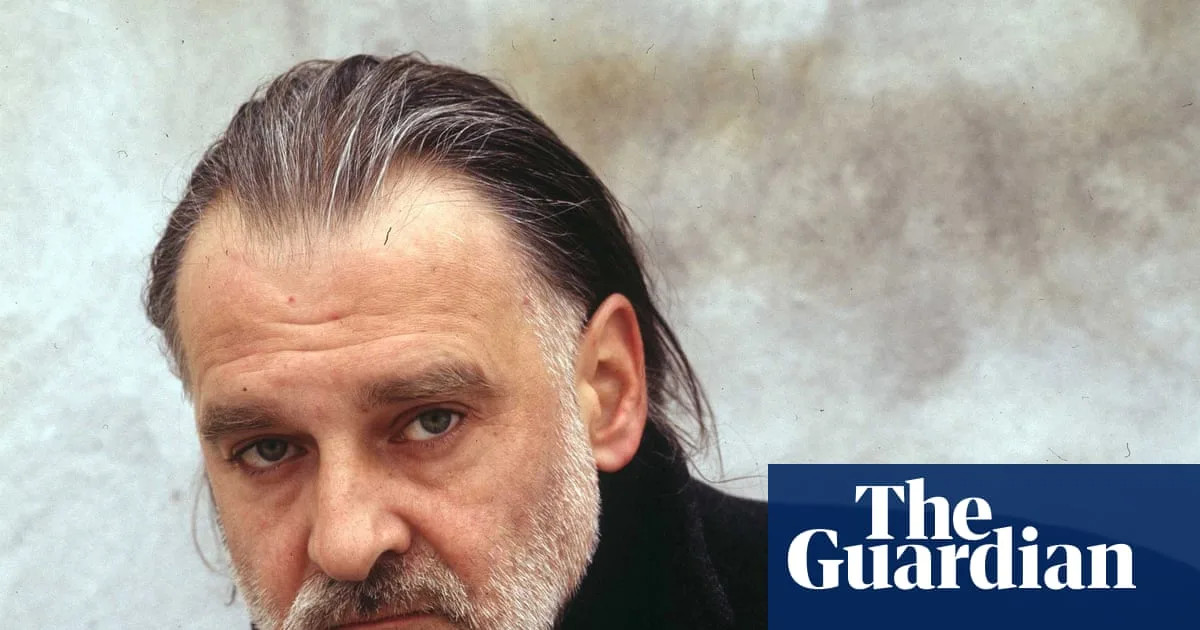
Béla Tarr, the Hungarian film-maker renowned for lengthy, visually striking works such as Sátántangó and Werckmeister Harmonies, has died aged 70. The Hungarian Film Artists Association confirmed his death on Tuesday, saying he passed away 'after a long and serious illness'. The family requested privacy during their time of grief.
Tarr gained international renown in the 1990s and 2000s for his demanding black-and-white epics, often featuring extended takes and a bleak atmosphere. However, he later insisted his films were misunderstood, telling the Guardian in 2024 that they were 'comedies' and 'not pessimistic'. He added: 'I only ask this – how did you feel when you came out of the movie theatre after watching my film? Did you feel stronger or weaker? I want you to be stronger.'
His work influenced a range of directors, including Gus Van Sant and fellow Hungarian László Nemes. Many of his films were made in collaboration with his partner Ágnes Hranitzky, initially as editor and later as co-director from Werckmeister Harmonies onwards.

Born in Budapest in 1955, Tarr was a child actor and made 8mm documentaries as a teenager. His feature debut, Family Nest (1979), was a realist drama about Hungary's housing shortage. His style decisively changed with Damnation (1988), a screenplay co-written with László Krasznahorkai.
His 2000 film Werckmeister Harmonies brought him international acclaim, and he later worked with Tilda Swinton in The Man from London (2008). The Turin Horse (2011), about a father and daughter living in poverty, proved to be his final film. Mike Downey, outgoing chair of the European Film Academy, said: 'Cinema has lost one of its real heroes.'