Film director Nancy Meyers has voiced her frustration over the growing trend of on-set photographs being shared online, arguing that it diminishes the magic of cinema. In an Instagram post, she reacted to leaked images of actor Jack Lowden as Mr Darcy in Dolly Alderton's adaptation of Pride and Prejudice, writing: 'Can we please STOP showing movies and TV shows being made?!'
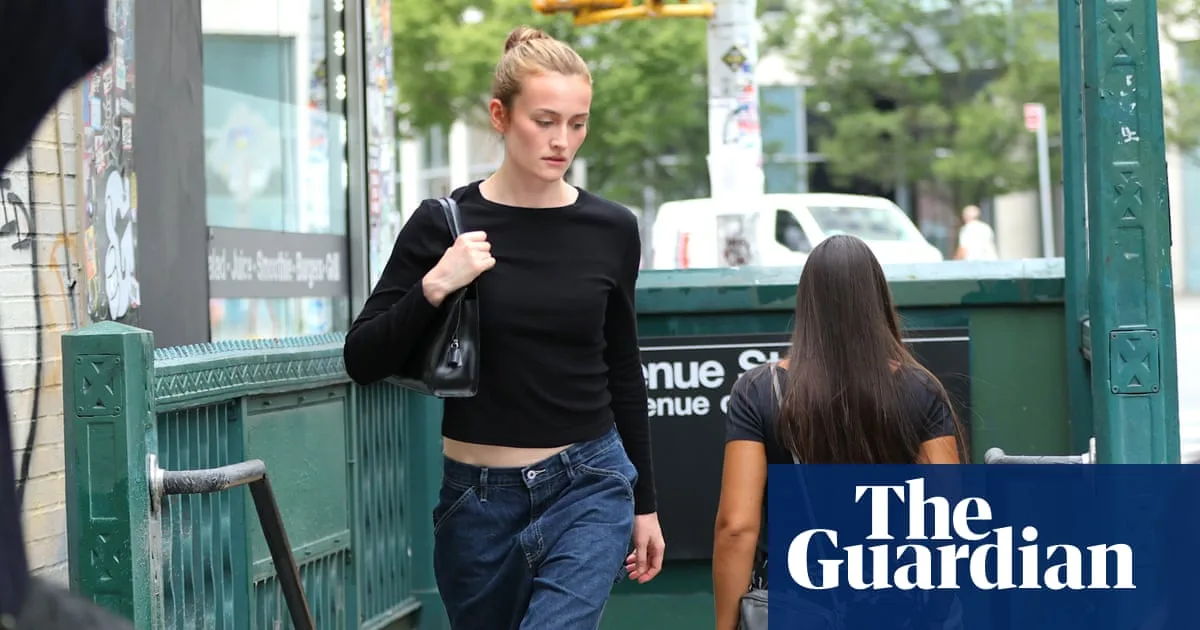
Meyers is not alone in her concerns, but the appetite for such content appears insatiable. Recent productions that have seen leaked on-set images include The Devil Wears Prada 2, And Just Like That and Ryan Murphy's miniseries about Carolyn Bessette and John F Kennedy Jr. The images of Margot Robbie on rollerblades for Barbie in 2023 sparked widespread online chatter and memes long before the film's release.
Fashion plays a central role in these productions, which may explain the public's fascination. Henrik Lischke, senior fashion features editor at Grazia, says the appetite across social and online is 'huge', with images lending themselves to a variety of content, from outfit analysis to memes. For The Devil Wears Prada 2, even the ubiquity of the on-set photo became meme fodder.

Fashion commentator Amy Odell believes the frenzy reflects a hunger for female-friendly fashion content in film and TV, which is currently lacking. She notes that during Gwyneth Paltrow's filming of Shakespeare in Love, efforts were made to remove cameras to prevent costume leaks, something far easier to control then. Now, she says, such images are inevitable on TikTok and Instagram.
Despite concerns, experts argue that this trend is not new. Helen Warner, associate professor at the University of East Anglia, points out that there has been an appetite for behind-the-scenes material since the early Hollywood days of film fan magazines. Neither Warner nor Odell believe that the prevalence of on-set photos leads to audience fatigue, as evidenced by Barbie grossing over $1bn at the box office.
Lischke shares Meyers' wish to preserve some surprise for cinema audiences, suggesting productions may need to film more scenes away from public view. He cites Gia Coppola's The Last Showgirl as an example where the plotline remained undisclosed, allowing for a more magical viewing experience.