Wireless Festival's Controversial Headline Act Sparks Widespread Condemnation
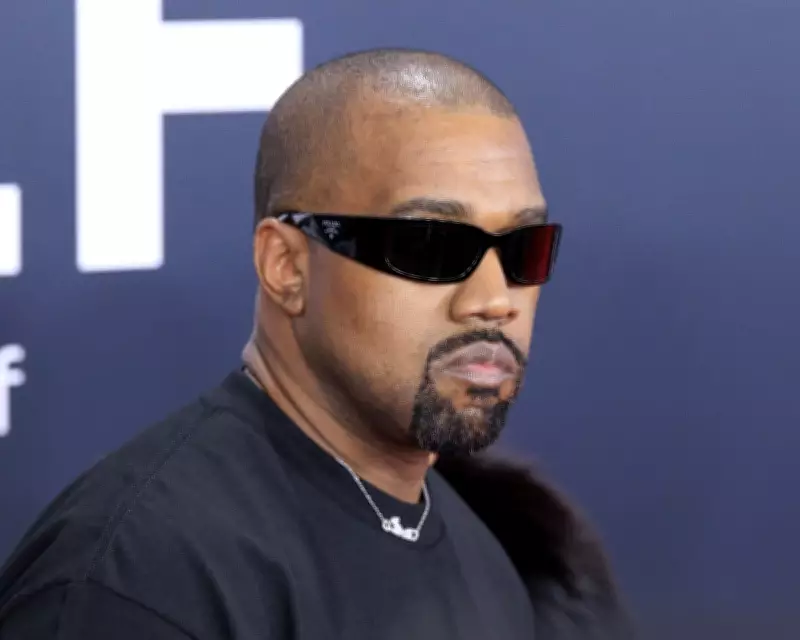
In a move that has ignited fierce criticism, the Wireless festival in London's Finsbury Park has announced Kanye West, also known as Ye, as its headline act for all three days of this year's event. This decision comes despite the artist's recent history of antisemitic, sexist, and homophobic outbursts, including the release of a single titled Heil Hitler in May 2025, which featured samples from Nazi speeches.
A Pattern of Offensive Behavior
West's actions have included wearing and selling swastika T-shirts, leading numerous companies to sever ties with him as early as 2022. By 2025, his talent agency had sued him, and the Australian government revoked his visa, blocking his entry into the country. His allies had dwindled to figures like Russell Brand and Andrew Tate, highlighting his isolation in the entertainment industry.
The announcement prompted immediate backlash from Jewish groups, London Mayor Sadiq Khan, and Liberal Democrat leader Ed Davey. Festival Republic, the organisers owned by Live Nation, described West's UK comeback as an extraordinary chapter in Wireless's story, a statement met with derision given the context.

Financial Motives Over Artistic Merit
Critics argue that West was booked not in spite of his controversies, but because of them, with financial gain taking precedence over artistic quality. His recent music has been described as self-indulgent, boring, and lacking the wit or charm essential to rap. Pitchfork labeled his latest album a cheap hit of retro-Kanye, emphasizing its superficial appeal.
In January 2025, West placed a full-page apology in the Wall Street Journal, blaming his behavior on bipolar disorder and claiming love for Jewish people. However, this recantation follows previous insincere apologies, casting doubt on its genuineness. Judaism teaches forgiveness for heartfelt remorse, but West's actions suggest a pattern of exploitation rather than redemption.
The Cynical Reality of Music Industry Profits
This booking reflects the music industry at its most venal and cynical, where notoriety is monetized regardless of ethical implications. Live Nation and Festival Republic stand accused of prioritizing revenue over social responsibility, with questions raised about potential merchandise sales, such as swastika T-shirts, and sponsor Pepsi's alignment with West's brand values.
The mining of controversy for profit is not new in pop music, but this case underscores how corporate interests exploit divisive figures for entertainment. As audiences witness West's performances, it is crucial to remember the boardroom decisions that placed him on stage, transforming outrage into financial gain.