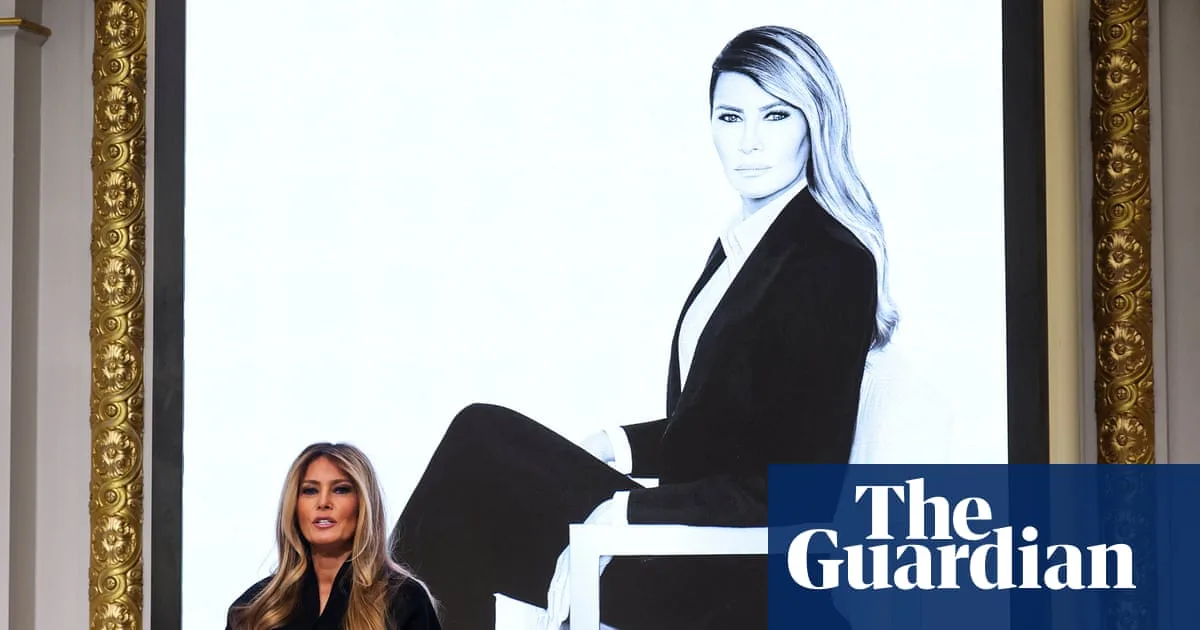
A source close to the Rolling Stones has disputed a claim by Marc Beckman, producer of the documentary 'Melania', that Mick Jagger gave his blessing for the use of the band's song 'Gimme Shelter' in the film. Beckman told Variety that Jagger was 'actually involved' and 'gave us his blessing', adding that the band was impressed with the movie.
However, a spokesperson for the Rolling Stones told the Guardian that the deal to use the song was made exclusively between rights holders ABKCO and the film's producers, and that the band had nothing to do with it. A source close to Jagger also expressed scepticism, noting that Beckman was promoting the film.
The documentary, which follows Melania Trump in the 20 days before Donald Trump's second inauguration in January 2025, opens with a sequence at Mar-a-Lago featuring 'Gimme Shelter'. The Rolling Stones have previously objected to the use of their songs at Trump rallies, alongside artists such as Guns N' Roses, Neil Young, and Bruce Springsteen.
Beckman also revealed that Guns N' Roses, Grace Jones, and Prince's estate were approached for music but refused on political grounds. He described the film as non-political, focusing on Melania Trump. The film also includes songs by the Village People and Michael Jackson.
Amazon paid $40m for the rights to 'Melania' and spent $35m on marketing. The film has earned $16.4m worldwide, with 98% from the US. It opened with $7m in the US but saw a 67% drop in its second week. In the UK, it opened at No 29 before falling to No 62.