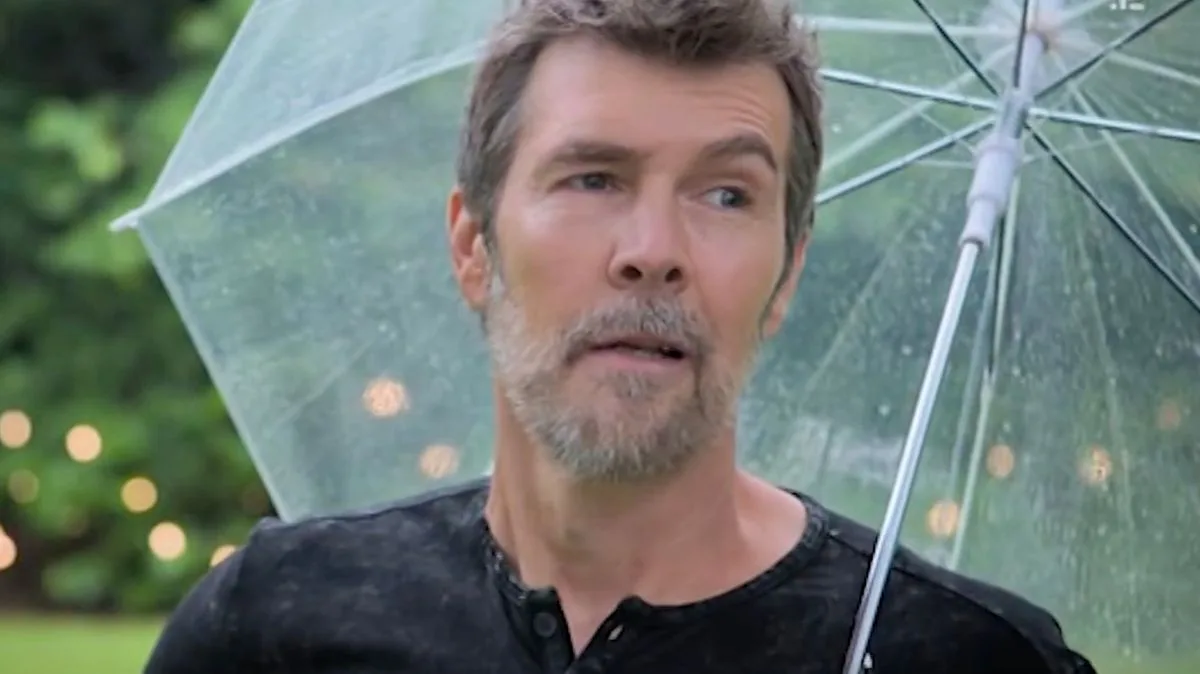
Comedian Rhod Gilbert is making his first major return to television after undergoing treatment for head and neck cancer. The 56-year-old, who was diagnosed in 2022 and given the all-clear in May 2023, will front a new show called Wagging Rights alongside his dog Piscen.
Gilbert described his treatment as 'brutal' but said he now feels 'better than ever'. The six-part series will see him and Piscen attempt to train in skills such as obedience, scent work, agility, freestyle and ball sports, with a panel of top dog show judges evaluating their progress.
Fans have expressed excitement on social media, with one calling it 'my new favourite programme' and another saying 'we 1000% need more shows with you and dogs'. Gilbert first discovered he had stage four cancer after noticing a lump, having previously experienced a persistent cough and sore throat.
He urged others to get persistent symptoms checked, noting that some cancers have no symptoms. Since his recovery, Gilbert undergoes Ear, Nose and Throat camera checks every six months. He told BBC Radio Wales: 'I sort of feel better than I've ever done in my life.'