Polyamory Controversy Erupts Around Lindy West's Memoir
The publication of Lindy West's memoir Adult Braces: Driving Myself Sane has ignited a fierce cultural debate about polyamory, with the author's personal journey becoming a lightning rod for broader discussions about relationship structures, feminism, and personal autonomy.
The West-Oluo Polyamory Saga
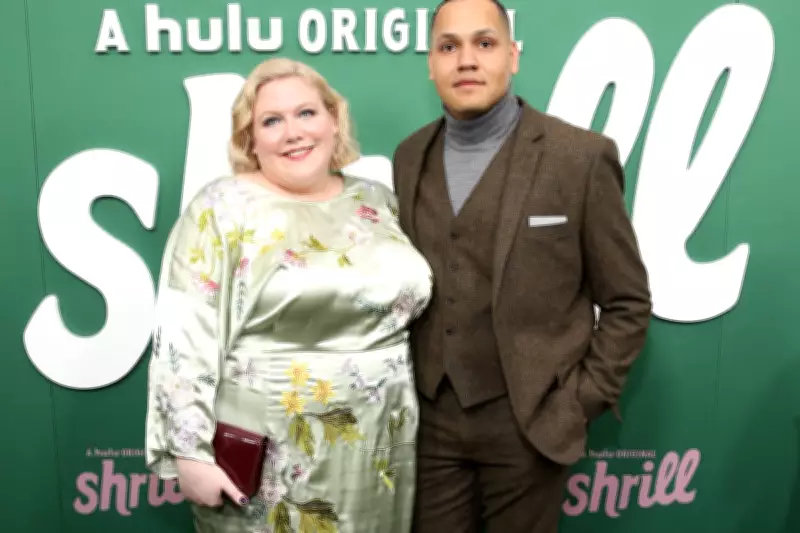
West, a prominent feminist writer known for her work at Jezebel and her previous books Shrill and The Witches Are Coming, details in her memoir how she entered into an open marriage with her husband, musician Ahamefule Oluo. The relationship evolved into a triad with Roya Amirsoleymani, which West describes as a journey toward enlightenment and reduced co-dependency.
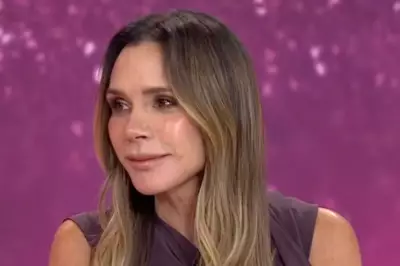
The public reaction has been overwhelmingly skeptical. Many observers noted West's apparent discomfort in a 2022 video announcement of their "throuple" arrangement, with critics suggesting she had been pressured into polyamory against her natural inclinations. The controversy intensified when Oluo sent an angry email to journalist Scaachi Koul after a neutral profile, calling her "a s***ty f***ing person" and "bitter, untalented mean girl."

Expert Perspectives on Polyamory Dynamics
Dr. Elisabeth Sheff, a leading researcher who has studied polyamorous families since 1996, provides context for understanding these relationships. "People tend to have one of three reactions when they first become aware of polyamory," she explains. "Some see it as neutral, others feel immediate attraction to the concept, and a third group reacts with fear and rejection."
Sheff suggests that relationship orientation exists on a spectrum, with some people naturally wired for exclusivity and others for multiplicity. "The majority land somewhere in the middle," she notes, adding that compromises can work when partners have other engaging aspects in their lives that provide fulfillment beyond the relationship.
The Research Behind Polyamorous Families
Contrary to popular skepticism, Sheff's longitudinal research reveals some positive outcomes for children raised in polyamorous families. "Kids who grow up in polyamorous families do remarkably well," she reports. "Through all the scheduling and deliberate over-communication, they often develop extremely high emotional intelligence."
These families tend to explicitly discuss children's needs separate from adult sexual relationships, creating what Sheff describes as "a much bigger social safety net" through expanded family networks. Adult children from these families frequently report valuable relationship skills learned from their upbringing.
Cultural and Political Dimensions
The West controversy has become what culture reporter Kat Rosenfield describes as "a cultural Rorschach test" absorbing anxieties about feminism, progressive politics, and relationship expectations. Rosenfield, who has written critically about polyamory as "a luxury belief," argues that West's memoir reveals a bleak reality beneath its empowerment narrative.
"Once people convinced themselves that monogamous marriage was a tool of the patriarchy," Rosenfield observes, "polyamory became the sexual equivalent of those 'IN THIS HOUSE WE BELIEVE' signs—a progressive credential rather than a genuine relationship preference."
Unexpected Demographics and Future Trends
Sheff's research reveals surprising patterns across demographics. While polyamory is statistically more common in LGBTQ relationships, she has observed interesting dynamics among older heterosexual couples. "Women in their 70s, 80s, even 90s sometimes find polyamory appealing," she notes, "because they can have companionship without the full-time caregiving responsibilities that often accompany traditional relationships at that age."
These women, Sheff explains, appreciate having "a dude just, like, every Wednesday afternoon" for companionship and romance while maintaining independence for other activities and social connections.

The Enduring Questions
The intense reaction to West's personal story raises fundamental questions about why polyamory generates such strong responses when most people will never practice it. The debate touches on deeper cultural anxieties about changing gender roles, the meaning of commitment, and the intersection of personal autonomy with relationship structures.
As Sheff reflects on West's specific situation, she suggests that falling for her husband's girlfriend isn't necessarily implausible. "Maybe they have the same taste in people," she muses. "You know, like they like each other." This connection through a shared beloved might actually increase the likelihood of mutual affection developing.
The polyamory debate, fueled by West's memoir and the subsequent backlash, continues to evolve as society grapples with changing relationship norms and the complex intersection of personal happiness, social expectations, and political ideologies.