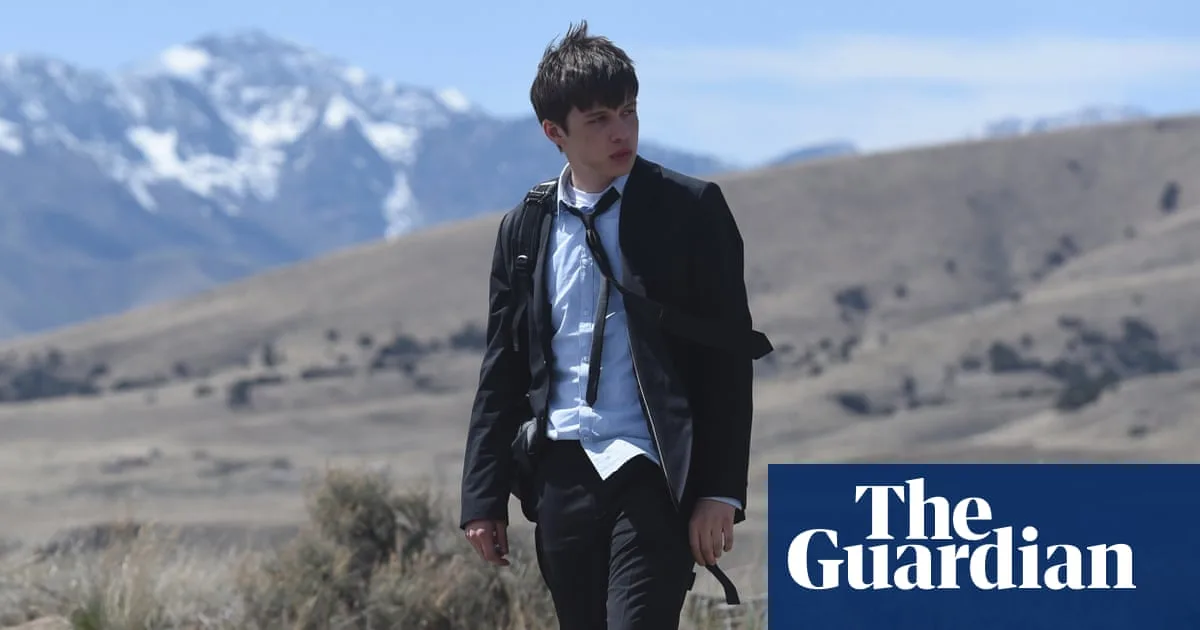
The 2016 film 'Being Charlie', directed by the late Rob Reiner and co-written by his son Nick, has taken on a grim new significance. Nick Reiner is now expected to be charged with the murder of both his parents, transforming the drama from a late-period curiosity into an object of unavoidable scrutiny.
Loosely based on Nick's experiences, the film follows Charlie, a young man in and out of rehab, whose father David is a disapproving former actor. The movie was an act of hope that Nick's struggles with addiction were behind him, but real life has proved less cooperative than the film's vaguely optimistic ending.
Being Charlie marks a departure from Reiner's later work, which often featured ageing stars. Instead, it focuses on a college-aged protagonist and includes gritty scenes of rehab and halfway houses. The film's most authentic moments lie not in family melodrama, but in the uneasy middle ground of Charlie's recovery—material that feels raw and true to Nick's own story.
Technically, the film stands out for its attention to young actors and distinct visual textures. Yet in retrospect, the narrative feels like an intrusion of family dynamics, with Reiner's own self-laceration evident in the humourless portrayal of the father. The film offers home truths that are now hauntingly prescient.