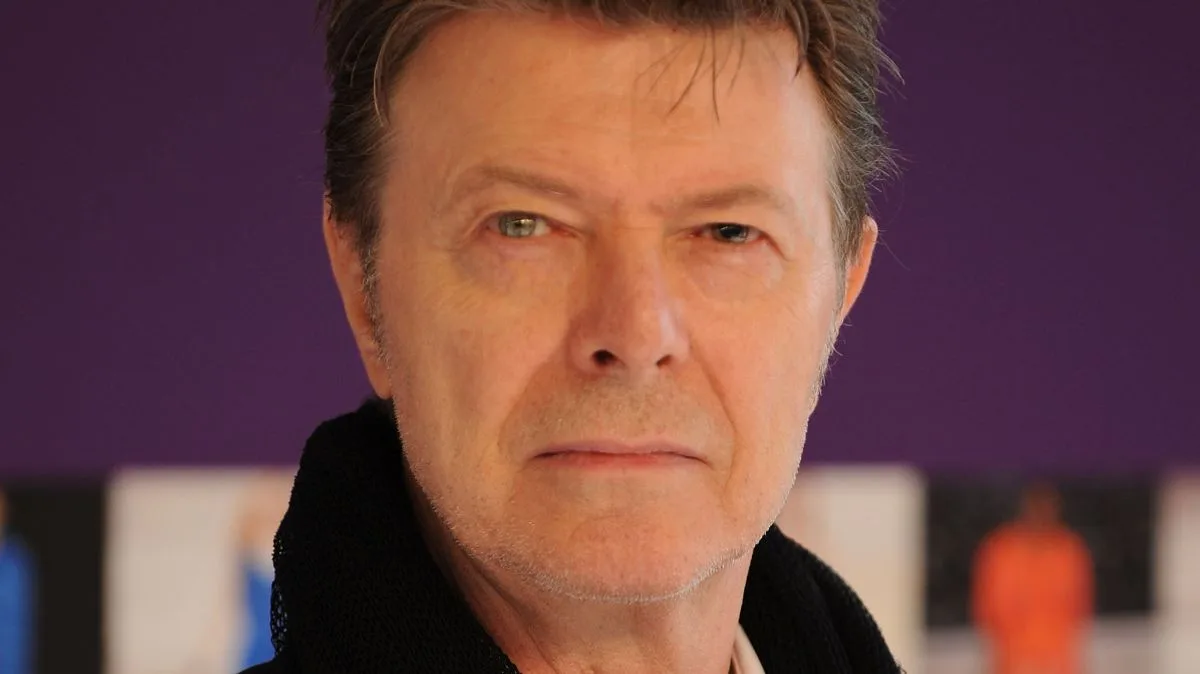
A newly unearthed interview with David Bowie has shed light on the motivations behind his 1970s music style, which he described as driven by “lust, anger” and moodiness. The interview, featured in the new BBC podcast series Changeling hosted by Kate Moss, captures Bowie reflecting on his creative process during a decade of prolific output.
In the recording, Bowie says: “I think that throughout the 60s and most of the 70s I was driven by lust, as much as anything. It's a great creative force. That in turn is replaced by anger haha, when you ask where the money is. And then you get depression, and then you go to Berlin and write really moody instrumental stuff. It’s the triptych of the 70s. Lust, anger, moody.”
The 1970s saw Bowie release a string of landmark albums, including Hunky Dory, The Rise and Fall of Ziggy Stardust and the Spiders from Mars, Aladdin Sane, Diamond Dogs, Young Americans, Station to Station, and the Berlin Trilogy of Low, “Heroes”, and Lodger. The interview offers a rare glimpse into the mindset behind his constant reinvention.
Kate Moss, who became close friends with Bowie, recalls how he nicknamed her “Smasher” and phoned her on her birthday each year. She also describes accepting his Lifetime Achievement Award at the 2014 Brit Awards, wearing the original Kansai Yamamoto bodysuit Bowie had worn for his 1972 Rainbow Theatre gigs.
The podcast features tributes from Elton John, Robbie Williams, Dave Gahan, Tilda Swinton, and St. Vincent, who praise Bowie’s groundbreaking and angelic influence. Bowie died on January 10, 2016, aged 69, from liver cancer.