Lion King Composer Sues Comedian Over Alleged Mocking of Iconic Chant
Lion King Composer Sues Comedian Over Chant Mocking

Grammy-Winning Composer Takes Legal Action Over Alleged Mockery of Iconic Chant

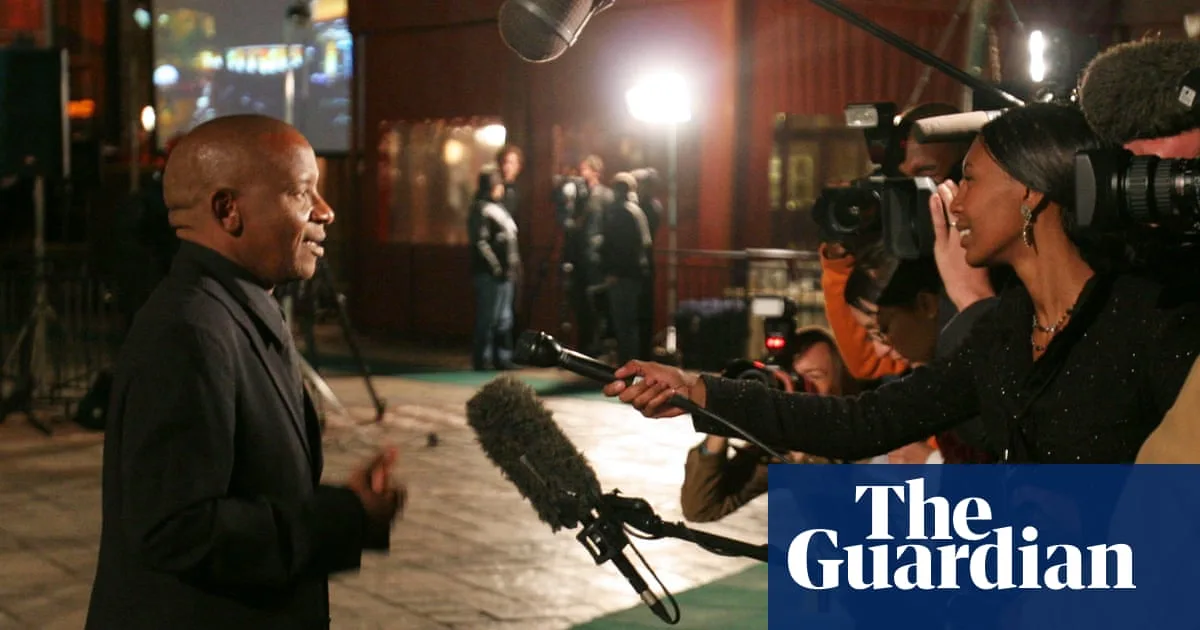
Lebohang Morake, the celebrated South African composer known professionally as Lebo M, has initiated legal proceedings against Zimbabwean comedian Learnmore Mwanyenyeka, who performs under the name Learnmore Jonasi. The lawsuit centers on allegations that the comedian intentionally mocked and misrepresented the cultural significance of the iconic opening chant from Disney's The Lion King.

Cultural Significance Versus Comedic Interpretation

Mr Morake, who composed and performed the memorable "Circle of Life" chant that opens both the original 1994 animated film and its subsequent adaptations, claims that Mr Jonasi deliberately mistranslated the Zulu and Xhosa lyrics during a podcast appearance. According to the legal documents filed in a Los Angeles federal court this month, the comedian's actions have damaged the composer's reputation and interfered with his business relationships.

Disney's official translation of the opening phrase "Nants'ingonyama bagithi Baba" is "All hail the king, we all bow in the presence of the king." The subsequent line "Hay! baba, sizongqoba" translates to "Through you we will emerge victoriously." However, during an episode of the podcast One54, Mr Jonasi offered a different interpretation, translating the lyrics as "Look, there's a lion. Oh my god," which elicited laughter from the hosts.

Wide Pickt banner — collaborative shopping lists app for Telegram, phone mockup with grocery list

Broader Cultural Critique

The comedian's comments emerged within a wider critique of The Lion King franchise and American portrayals of Africa in popular culture. Mr Jonasi argued that the film profits from simplistic narratives about the African continent for non-African audiences, noting that "the lions had American accents in Africa, and then you had the monkey with an accent." He extended this criticism to other films including Black Panther.

Mr Morake's legal team acknowledges that "ingonyama" can literally mean "lion" but contends it is used in the song as a "royal metaphor" invoking kingship. They argue that Mr Jonasi intentionally misrepresented "an African vocal proclamation grounded in South African tradition" and presented his translation "as authoritative fact, not comedy," thereby potentially disqualifying it from First Amendment protections typically afforded to parody and satire.

Financial and Reputational Damages Claimed

The lawsuit alleges that Mr Jonasi "received a standing ovation" for a similar joke during a Los Angeles stand-up performance on 12 March, and that such viral statements are interfering with Mr Morake's business relationships with Disney and his royalty income. The composer is seeking more than $20 million in actual damages and an additional $7 million in punitive damages.

Disney has not responded to requests for comment regarding the legal dispute between the composer and comedian.

Comedian's Response and Attempted Reconciliation

Mr Jonasi does not currently have an attorney publicly listed for the case, and his representatives have not responded to media inquiries. However, the comedian shared his perspective in an Instagram video posted last week while on his US tour, which garnered over 100,000 likes.

In the video, Mr Jonasi stated he is a "big fan" of Mr Morake's work and loves the song. Upon learning of the composer's upset, he initially wanted to create a collaborative video to explain the song's deeper meaning. "Comedy always has a way of starting conversation," Mr Jonasi said. "This is your chance to actually educate people, because now people are listening."

The comedian explained he changed his mind about collaborating after Mr Morake allegedly called him "self-hating" during an exchange of messages following the 25 February podcast. He suggested that Mr Morake's reaction overlooked the nuanced critique of American renderings of African identity present in his wider work.

The legal dispute highlights the complex intersection of cultural representation, intellectual property, and comedic expression in the entertainment industry, with significant financial and reputational stakes for both parties involved.

Pickt after-article banner — collaborative shopping lists app with family illustration