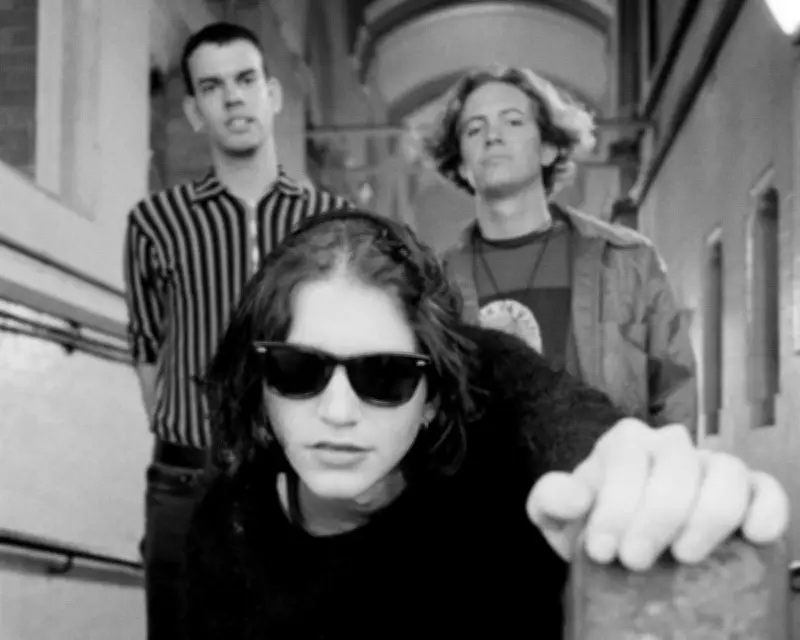
Placebo's 1996 single Nancy Boy was a defiant celebration of debauchery that reclaimed homophobic insults and became an anthem for outsiders. Singer Brian Molko and bassist Stefan Olsdal reveal the song's origins, its controversial Top of the Pops performance, and how it shaped their career.
Reclaiming insults and challenging perceptions
Brian Molko says the song was inspired by the constant homophobic abuse he faced for his androgynous appearance. 'I’d walk into a bar and people would react vociferously, or guys would think I was a girl then get really aggressive when they found out my name was Brian,' he recalls. 'I thought I could regain some power by writing a celebration of debauchery that was so brazenly sexual it would infuriate the people who insulted me.'
Molko also aimed to counter what he saw as 'sexual tourism' by Suede's Brett Anderson, who had claimed to be a bisexual man without homosexual experience. 'Part of my motivation was to write a song about a bisexual man who has had a bisexual experience,' Molko says.
From a demo to a punk anthem
The chorus came to Molko while living on income support in Deptford. He was unsure of the chords, but Stefan Olsdal was immediately hooked. 'He said: “Man, that’s such a hook,”' Molko recalls. In the rehearsal room, the song evolved into a distorted punk track. The lyrics, including lines like 'Alcoholic kind of mood, lose my clothes, lose my lube' and 'Eyeholes in a paper bag, greatest lay I’ve ever had,' were written quickly, with the latter reclaiming a schoolyard insult.
The first recording for their debut album lacked live energy, so the band re-recorded it with producer Phil Vinall, who helped turn up the distortion. The final version captured the raw power of their performances.
Controversy and impact
When Placebo performed Nancy Boy on Top of the Pops, the BBC received 43 complaints because viewers couldn't determine Molko's gender. 'This song changed everything for us and had a purpose: it made people who felt like outsiders feel less lonely, and they became our audience,' Molko says.
Stefan Olsdal notes the song's context: in 1994, the age of consent for gay men in the UK was 21, and he was in an illegal relationship at 19. 'That was probably in the ether for Nancy Boy,' he says. The demo found its way to David Bowie's tour bus, leading to Placebo supporting Bowie before their debut album was even released.
Enduring legacy
Despite its explicit themes, the song avoided expletives and gained radio play. 'I still don’t know how it got on the radio, but maybe the play on words helped us get away with it,' Olsdal says. The band faced hostility on tour, including being 'kicked out' in Middlesbrough and pelted with coins in the US, but mostly they were embraced. 'The song’s success brought us a lot of freedom... it gave us a lot of confidence, and artistically we realised we could push at boundaries,' Olsdal adds.
Nancy Boy remains a defining track for Placebo. 'It’s a snapshot of a moment, but 30 years later it’s very much a part of who we are,' Olsdal concludes. The band's 30th anniversary tour reaches the UK in November.