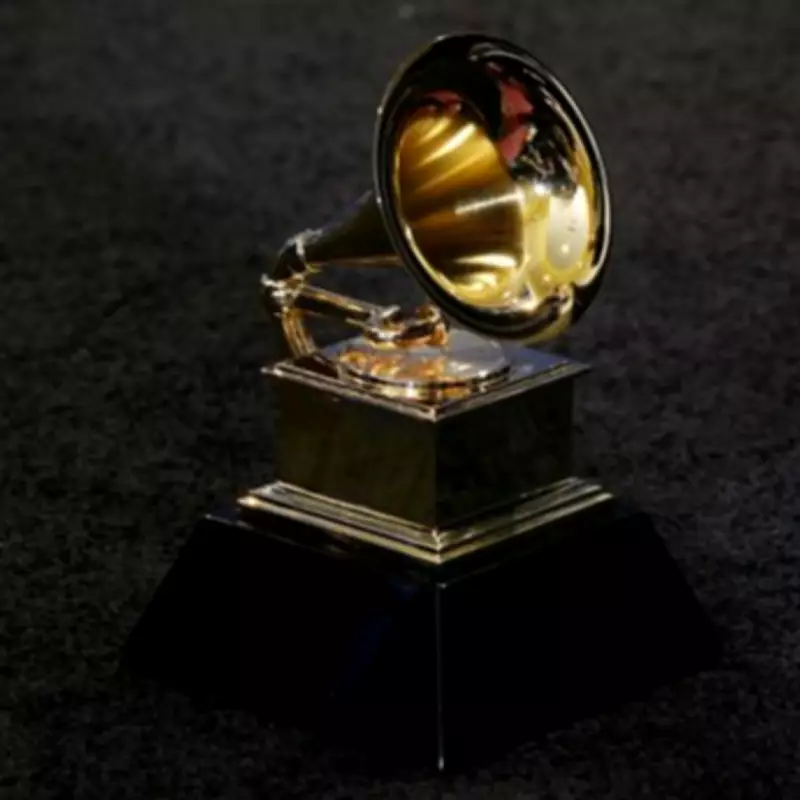
The Grammy Awards represent the pinnacle of musical achievement, a glittering celebration of talent where stars gather to honour artistic excellence. Yet beneath the surface glamour and polished performances lies a rich history of controversy, where moments of chaos, protest, and audacious fashion have left an indelible mark on popular culture. These incidents often reveal the tensions, passions, and unexpected turns that define the music industry's most prestigious night.
When Protocol Clashed with Legend: The Sinatra Incident
During the 36th Grammy Awards in 1994, music icon Frank Sinatra received the Legend Award from U2's Bono, delivering a characteristically heartfelt and witty acceptance speech. However, as he approached his conclusion, producers deployed the notorious cue music to hurry winners along, abruptly playing over his words. The interruption visibly distressed both Sinatra and attendees, creating an awkward moment that highlighted the ceremony's rigid time constraints. In a remarkable act of solidarity, Billy Joel later paused his performance of 'The River of Dreams' for twenty seconds, sarcastically glancing at his watch while commenting about "valuable advertising time going by" before resuming his song.
Wu-Tang's Unplanned Protest: ODB's Stage Invasion
The 1998 ceremony witnessed one of the most spontaneous protests in Grammy history when Ol' Dirty Bastard of the Wu-Tang Clan stormed the stage during Shawn Colvin's acceptance speech for Song of the Year. His disruption wasn't directed at Colvin but rather at the awards' failure to recognise Wu-Tang in a rap category, which at that time were presented off-camera. Boldly declaring "Puffy is good, but Wu-Tang is the best" in reference to Sean "Puff" Combs, ODB famously proclaimed "Wu-Tang is for the children" before leaving the stage, creating an unforgettable moment of raw, unfiltered expression.

The Dress That Changed the Internet: Jennifer Lopez's Versace Moment
At the 2000 Grammy Awards, Jennifer Lopez arrived wearing a green Versace dress with a daringly low neckline that instantly became one of the most audacious red carpet looks in history. The ensemble generated such intense public fascination that it directly contributed to the creation of Google Images, as confirmed by former Google CEO Eric Schmidt. People clamoured to find pictures of the dress online, demonstrating how a single fashion choice could reshape digital technology and cement its place in cultural memory.
Eminem and Elton John's Controversial Collaboration
Following the release of his contentious album The Marshall Mathers LP, Eminem faced widespread criticism for lyrics deemed misogynistic and homophobic, even being barred from entering Canada. Despite the controversy, he received four Grammy nominations in 2001 and was invited to perform alongside Elton John. The collaboration drew sharp criticism from GLAAD, who expressed being "appalled that John would share the stage with Eminem." John defended his decision, telling the Los Angeles Times he would "rather tear down walls between people than build them up." After their performance of 'Stan', Eminem antagonised viewers by raising his middle finger toward the camera, encapsulating the evening's tensions.
M.I.A.'s Boundary-Pushing Performance
In 2009, rapper M.I.A. delivered one of the most remarkable Grammy performances by taking to the stage while not merely heavily pregnant but actually on her due date. She performed 'Swagga Like Us' alongside Jay-Z, Kanye West, T.I., and Lil Wayne, demonstrating extraordinary commitment to her art. Just three days later, she welcomed her son Ikhyd Edgar Arular Bronfman, making her Grammy appearance a memorable prelude to motherhood.

Kanye West's Near-Interruption of Beck
Kanye West, no stranger to awards ceremony drama, almost repeated his infamous 2009 VMA interruption at the 2015 Grammys. As Beck stepped up to collect his Album of the Year award—having triumphed over Beyoncé—West made his way toward the platform, causing audiences to brace for another controversy. He advanced to the microphone before pivoting and returning to his seat, seemingly mocking his own controversial past. Later, during a televised chat, West remarked that "Beck needs to respect artistry, and he should've given his award to Beyoncé," reigniting debates about artistic merit and recognition.
The Weeknd's Grammy Snub and Boycott
After a stellar year in 2020 with his chart-topping album After Hours and global smash 'Blinding Lights', The Weeknd was stunned to discover he'd been completely overlooked for the 2021 Grammy nominations. The omission sparked outrage among media outlets, music journalists, and fans, with The Weeknd himself posting on Twitter: "The Grammys remain corrupt. You owe me, my fans and the industry transparency." Chief Executive Harvey Mason Jr. explained that nomination voting had concluded before The Weeknd's Super Bowl performance was confirmed, which might have altered the outcome. In response, The Weeknd pledged never to submit music for Grammy consideration again, despite previous nominations and wins.
Killer Mike's Triumph and Arrest
The 66th Grammy Awards in 2024 saw rapper Killer Mike secure three trophies, including Best Rap Album, Best Rap Song, and Best Rap Performance. However, his celebratory evening took an unfortunate turn when he was led out of the Crypto.com Arena in handcuffs by LAPD officers and charged with misdemeanour battery. The LA Times reported that a physical confrontation occurred after a security guard stopped Mike from entering a restricted venue section. Mike later explained the arrest stemmed from confusion over permitted entrances, describing security as "overzealous." Several months later, the Los Angeles City Attorney's Office dismissed the charges after Mike completed a community service requirement.
These incidents collectively illustrate how the Grammy Awards serve not only as a celebration of musical achievement but also as a stage for unexpected drama, cultural commentary, and moments that transcend mere entertainment to become part of music history.