Timothée Chalamet Sparks Outrage by Dismissing Opera and Ballet
Chalamet's Opera and Ballet Comments Ignite Oscars Controversy

Timothée Chalamet's Opera and Ballet Comments Ignite Oscars Season Controversy

As the annual awards season approaches its dramatic climax, a familiar pattern emerges: actors transform from performers into public relations acrobats, navigating a treacherous landscape of interviews, podcasts, and press events. The first rule of this high-stakes period is brutally simple: eventually, someone will utter something foolish.

This Year's Early Offenders: Buckley and Chalamet

This year, the spotlight has fallen on Jessie Buckley and Timothée Chalamet as early contenders for controversial remarks. Buckley recently faced mild online backlash after casually mentioning she had rehomed her cat—a personal decision that sparked disproportionate moral outrage in certain corners of the internet.

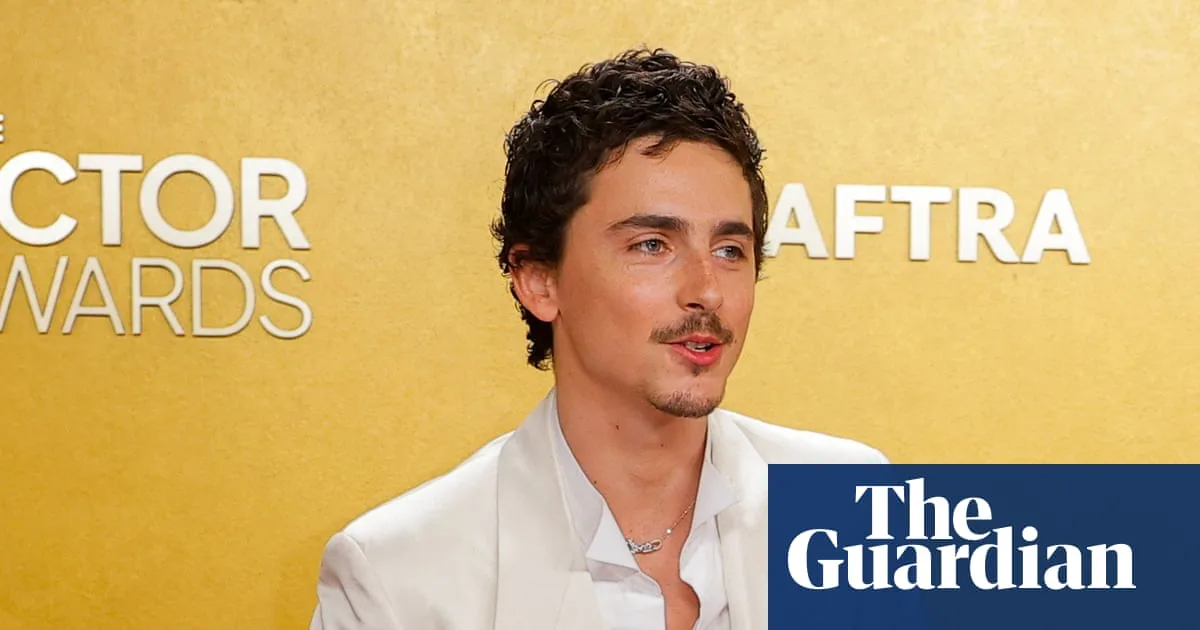
Meanwhile, Chalamet has drawn the ire of cultural elites by declaring that nobody truly "cares about opera and ballet." This statement, made during a publicity tour, seems particularly ironic given his background: his mother is a classically trained dancer, and he was raised in one of Manhattan's more culturally enriched neighborhoods.

Both comments were trivial in isolation, yet they were rapidly amplified into micro-controversies by the internet's relentless outrage machinery.

The Evolution of Modern Awards Campaigns

Contemporary awards campaigns have evolved far beyond mere film promotion. They now demand comprehensive personality management from stars, who must perform not only on screen but across an exhaustive circuit of media engagements. Every casual remark is captured, edited, and disseminated across social media platforms like a digital flare.

The Buckley cat clip, stripped of context, quickly circulated online, ready to be seized by passionate pet enthusiasts. In Hollywood's fiercely competitive environment, rival studios may observe such incidents with glee, as Oscars campaigns are notoriously cutthroat. Publicity consultants invest heavily not just in promoting their clients but occasionally in tarnishing competitors' reputations.

The Real Issue: The Industrial Complex of Talking

The core problem extends beyond Buckley's pet or Chalamet's cultural opinions. It lies in the overwhelming talk-centric nature of modern awards campaigns. Gone are the days when actors would attend a premiere, give a few interviews, and retreat until the ceremony.

Now, they embark on months-long journeys through a desert of content creation, compelled to discuss their artistic process, cinema's future, and even humanity's moral state—topics many actors are ill-equipped to address meaningfully. Placed on grand stages for extended periods, they often share half-formed thoughts and clumsy remarks, much like anyone thrust unexpectedly into the spotlight.

Examining Chalamet's Claim

Chalamet's assertion about opera is objectively inaccurate. Opera thrives globally, with sold-out performances and substantial attendance. In Germany, where state subsidies support the art form, millions attend yearly. Opera houses across Europe function as cultural landmarks, attracting dedicated, if older, audiences.

Rather than dissecting why Chalamet erred, we should question why society values actors' opinions on such matters. Actors are nominated for their on-screen performances, not their cultural commentary. Yet the publicity machine forces them into constant dialogue, dissecting their roles' meanings and broader societal implications until conversational exhaustion sets in.

Oscars Season as Parasocial Spectator Sport

These controversies persist because Oscars season has become a parasocial spectator sport. For film enthusiasts, the ceremony is merely the finale; the real drama unfolds in the preceding weeks, filled with campaigns, speeches, and attempts to balance humility with grandeur. A minor scandal adds irresistible spice to the narrative.

In Los Angeles, weary publicists likely remind clients of the season's other rule: speak sparingly. However, actors often struggle to comply, ensuring the second rule remains equally straightforward: wait briefly, and someone else will inevitably say something controversial.