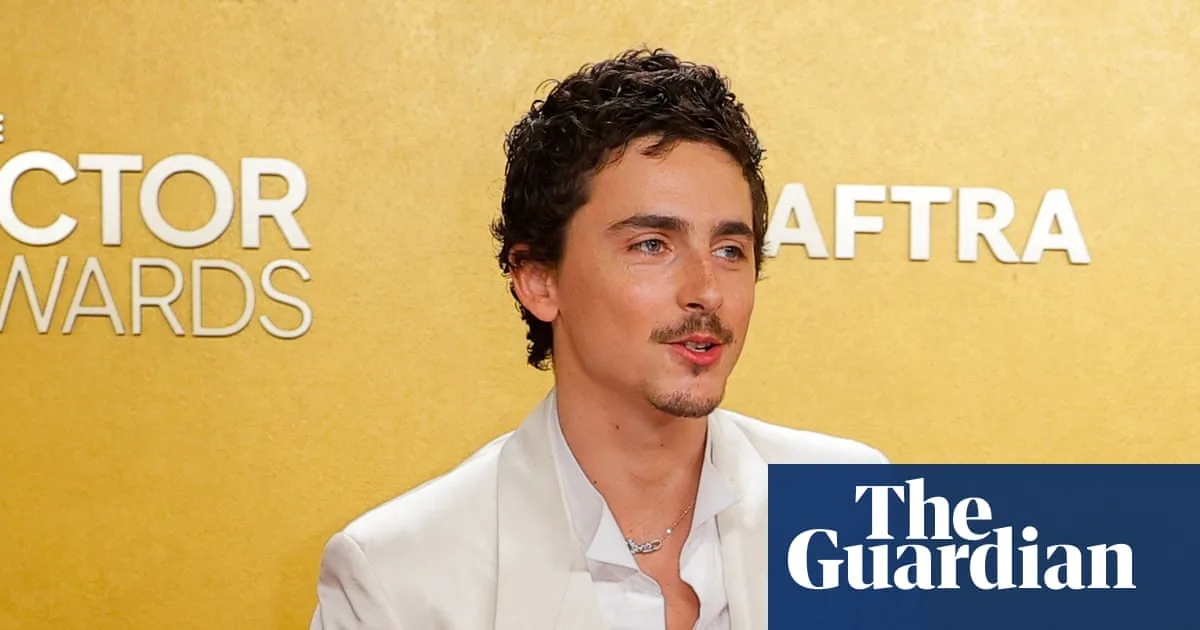
Jamie Lee Curtis has joined a growing chorus of criticism against Oscar nominee Timothée Chalamet after he made disparaging comments about opera and ballet. During a CNN/Variety video conversation with Matthew McConaughey on 24 February, Chalamet said: 'I don’t want to be working in ballet or opera. Things where it’s like, “Hey, keep this thing alive, even though no one cares about this any more.”' He quickly added, 'All respect to all the ballet and opera people out there,' but the damage was done.
Broadway dancer Zach McNally posted an Instagram video questioning why Chalamet would 'take shots at opera and ballet' at a time when AI threatens all art forms. Curtis reshared the video and followed up with clips from companies like Amsterdam’s Nationale Opera & Ballet. Dancer Amar Smalls also posted a video criticising Chalamet’s back catalogue compared to the 'high art' of opera and ballet, writing: 'The tickets to the opera and ballet are mad expensive because it’s high art. Ain’t nobody dressing up to see Wonka.'
Chalamet’s comments have drawn reactions from several prominent figures. Sam Taylor-Johnson, Misty Copeland, Holland Taylor, Eva Mendes, and Helen Hunt all expressed support for Smalls’ post. The principal of LaGuardia high school, where Chalamet studied, wrote an open letter saying: 'We know your heart, and we know you know better.' Professional bodies including London’s Royal Ballet and Opera, the English National Opera, and the Metropolitan Opera have also criticised him.
This is not the first time Chalamet has expressed such views. In 2019, he told The Graham Norton Show he feared cinema might become 'like opera or something, like an outdated art form.' He later repeated the anxiety, calling opera and ballet 'kind of a dying art form.' The remarks are particularly surprising given his family background: his mother Nicole Flender was a ballet teacher for 25 years, and his grandmother Enid Flender was a professional dancer. Chalamet himself referenced this history while promoting Marty Supreme, saying he 'grew up dreaming big backstage at the Koch theatre in New York.'
The Seattle Opera turned the controversy into a promotion, offering 14% off select seats for Carmen with the promo code TIMOTHEE. Chalamet is now tipped to lose the best actor award to Michael B. Jordan at this Sunday’s ceremony, with voting having closed before the backlash fully emerged.