Dragons' Den, the long-running BBC series where entrepreneurs pitch to investors, has seen both spectacular successes and notable misses. The show, which started on BBC Two in 2005 and now airs on BBC One, regularly attracts over three million viewers. Despite the high stakes, the Dragons maintain a competitive yet friendly atmosphere.
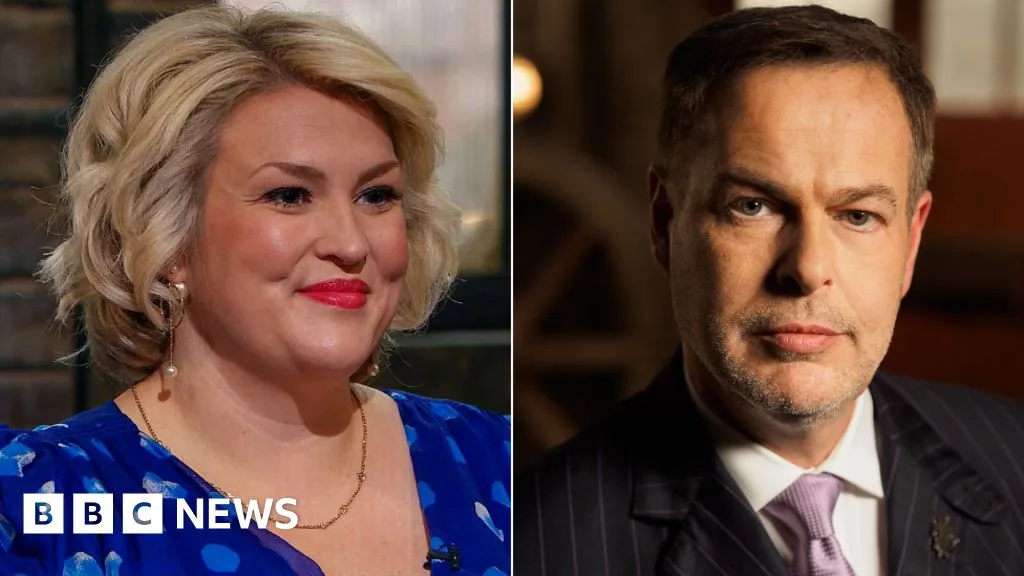
Peter Jones, the only original Dragon still on the show, describes the set as an arena where competition is fierce. He recalls a time when a fellow Dragon was so upset after losing a deal that they didn't speak to him for 40 minutes. Sara Davies, who joined in 2019, notes that tensions can run high during pitches, but the Dragons often relax together afterwards over tea.
The show's format, originating from Japan's 'Tigers of Money', involves long filming days with pitches lasting up to two hours. Davies explains that they know nothing about the businesses beforehand, ensuring genuine reactions. While some products like Reggae Reggae Sauce have become huge hits, others have been missed opportunities.
One notable miss was Hungry House, a takeaway website that the Dragons dismissed in 2007, just before the rise of Just Eat and Deliveroo. Jones admits to missing out on Tangle Teezer, a hairbrush that later made over £100m. However, he argues that some so-called misses, like Trunki, were actually correct decisions due to overvaluation at the time of pitching.
The article also touches on the controversy of deals falling through after filming, though it does not provide specific details. Overall, Dragons' Den remains a compelling mix of business acumen and entertainment.