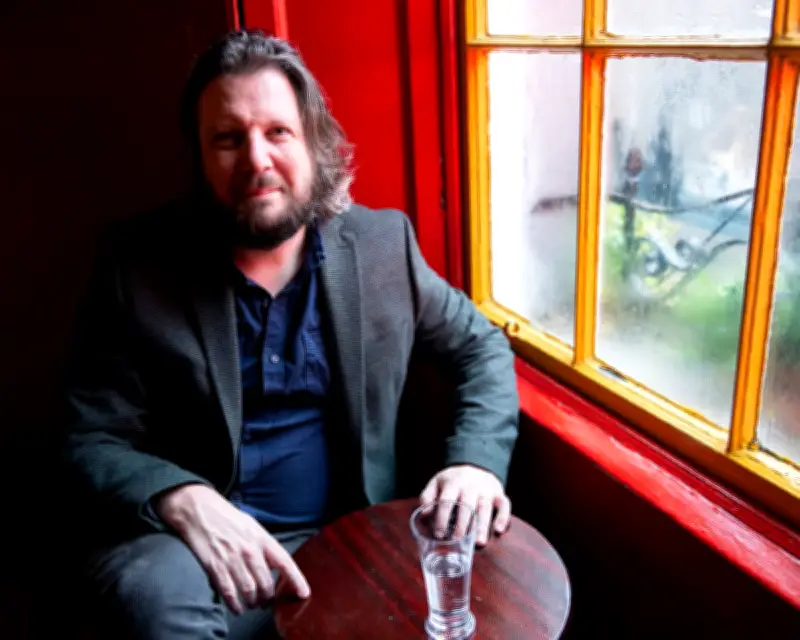
Recently, at a film event, a big producer looked me over after learning I had a debut novel coming out and said, 'You took your time.' Her comic timing was impeccable. At 51, I am grizzled, though I don't feel it. As Terry Pratchett wrote, 'Inside every old person is a young person wondering what happened.'
Why So Late?
My late arrival as a novelist isn't unique. Many late starters, like Louise Kennedy, Tessa Hadley, and Toni Morrison, faced gendered obstacles. For me, a married man without kids, reasons were less noble. In my 20s, I poured creative energy into bands, leaving a lost half-novel in a Dublin flat. The music industry made me feel old early; at 26, my band felt over the hill. A composition teacher once said classical composers are considered young into their 40s, a notion I filed away.
The Cult of Youth in Literature
In my 30s, freelance writing consumed my energy. It took until my 40s to experiment with fiction, writing short stories and a film script. My first book, an essay collection, was shortlisted for the Dalkey Emerging Writers prize, which wisely used 'emerging' instead of 'young.' Still, I internalized youth bias. Now, I'm likely the first Irish literary gunslinger with a sleep apnoea machine. Why can't I be the voice of Generation X? We need spokesfolk with sore knees and regret.

Advantages of Age
I admire artists breaking through later, like Louise Kennedy, who started writing at 45, or Penelope Fitzgerald, whose first novel debuted at 61. While a late start doesn't guarantee quality, it brings confidence in tastes and worldview. My novel, Experts in a Dying Field, deals with middle-aged themes: forgotten promise, grief, failure, and waning creativity. It's a multivoiced tale of Dublin, encompassing financiers, addicts, care workers, and even God. If written in my 20s, it would have been solipsistic; now, it's a kaleidoscopic chorus.
Other pros: I don't fret about being overshadowed by early literary promise. Nobody pretends to like my work for fresh-faced good looks. Though I hesitate—even now, I can't quite believe that's true.