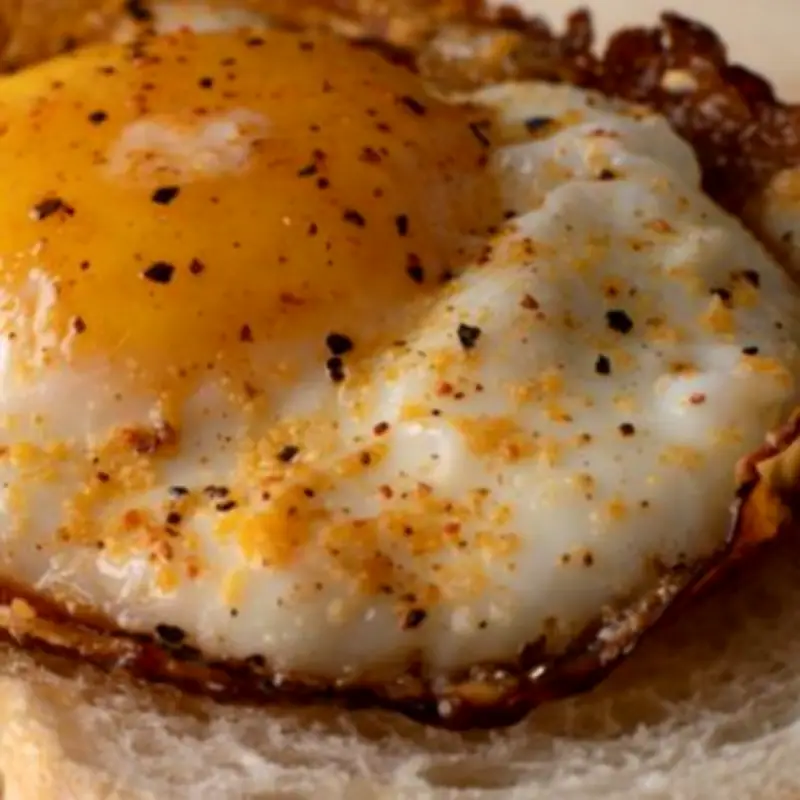
Fried eggs are a classic breakfast dish and they are relatively easy to make, but there is one simple oil swap that can transform them from ordinary to restaurant-quality, with perfectly crispy edges and a golden runny yolk.
The Secret Ingredient for Perfect Fried Eggs
Few things are more satisfying than cooking a perfectly fried egg, a delicious breakfast option that pairs brilliantly with buttery toast and creamy avocado. Equally, few things are more disheartening than getting it wrong, as fried eggs have a tendency to stick and burn in the pan. Despite being a straightforward recipe, fried eggs can go from gloriously crispy to hopelessly charred in mere seconds.
The secret to achieving the ideal fried egg, according to Chef Will Murray of Fallow restaurant, lies simply in switching up the cooking fat you use. A flawless fried egg need not be complicated. Provided you use the correct quantity of oil, the right type of oil, and the appropriate temperature, you can largely leave the egg to its own devices and it will come out perfectly, with no flipping necessary.
Why Rapeseed Oil Works Best
Will maintains that you can produce a fried egg "one minute like a chef" by deep frying in hot rapeseed oil rather than olive oil. Rapeseed oil boasts a higher smoke point, making it the superior choice if you are after genuinely crispy edges. The chef described this as a "super quick" cooking tip that delivers "super crispy" results. The goal with this technique is to achieve an outside that is "nice and crispy" while keeping the inside "nice and runny."
Step-by-Step Method
To prepare the egg, the chef began by pouring a generous layer of rapeseed oil into a pan and cracking eggs into individual bowls beforehand, giving you ample time to remove any stray shell fragments. He then carefully transferred the eggs one at a time into the pan from a short distance above it. Dropping them from too high a height risks breaking the yolk. With the egg sizzling on a high heat, Will spooned some of the hot oil directly over the egg whites to speed up the cooking process, which also creates an appealing bubbly texture.
The eggs are ready once the whites are completely set and no longer appear translucent in any part. Once cooked, use a spatula to lift the egg from the pan onto a plate lined with paper towels or a cloth to soak up any surplus oil. Season with a pinch of salt and pepper, and serve atop whatever you fancy.