June is a peak month for garden flowers across the UK, with blooms such as petunias, geraniums, roses, and salvia coming into full display. However, to ensure these flowers last longer and continue blooming, gardeners must perform an essential task: deadheading. Removing faded blooms not only keeps plants tidy but also encourages repeat flowering by redirecting energy from seed production to new growth.
Why Deadheading Is Essential
According to James Ewens of Green Feathers, deadheading is crucial for prolonging the flowering season. “June is the month of the bloom when gardens begin bursting with colour. For long-lasting blooms, deadheading is essential,” he explains. The process involves simply removing spent flowers from bedding plants, roses, and summer perennials. This simple act can make a significant difference in the garden's vibrancy.
Tips for Specific Plants
Different plants require slightly different deadheading techniques. For sweet peas, regular picking is recommended to keep them producing. Containers and hanging baskets benefit from weekly feeding alongside deadheading to maintain their health and display. James notes that just a few minutes of deadheading each day goes a long way.
Petunias: One of the most common summer plants, petunias should be deadheaded by gently plucking spent flowers every few days. This encourages continuous blooming.
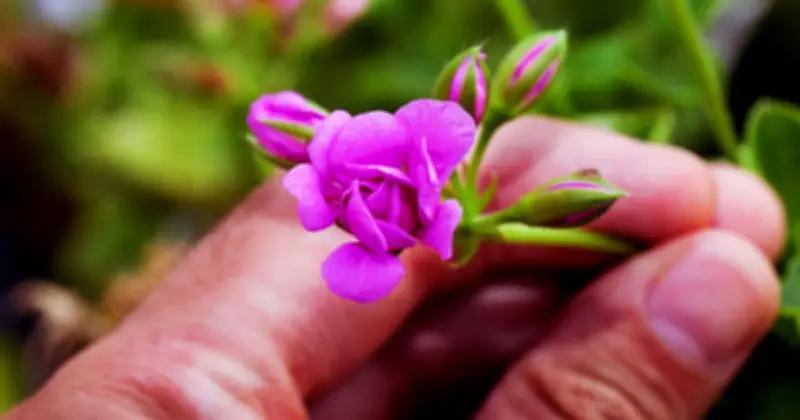
Geraniums: These annuals bloom all summer with striking clusters of bright flowers. Without deadheading, the blooms turn brown and mushy. Use sharp shears to cut at the base of the flower stalk.
Roses: For reblooming rose varieties, June is the ideal time to start deadheading to stimulate the next flush. Make clean cuts just above the first set of five or more healthy leaves using sharp shears.
Salvia: This popular perennial attracts pollinators and blooms from spring onward. To keep flowers going into summer, wait until about two-thirds of the blooms on a spike have browned, then cut where the stem meets the highest set of leaves. Deadheading also helps control the plant's spread.
Additional Benefits
Deadheading is not necessary for all plants, but careful removal of spent flowers on certain species can be incredibly rewarding. It helps maintain a tidy garden and encourages more abundant blooms. With just a little effort each day, gardeners can enjoy a vibrant, long-lasting display throughout the summer.