V&A Museum Acquires Historic Reconstruction of YouTube's First Video Page
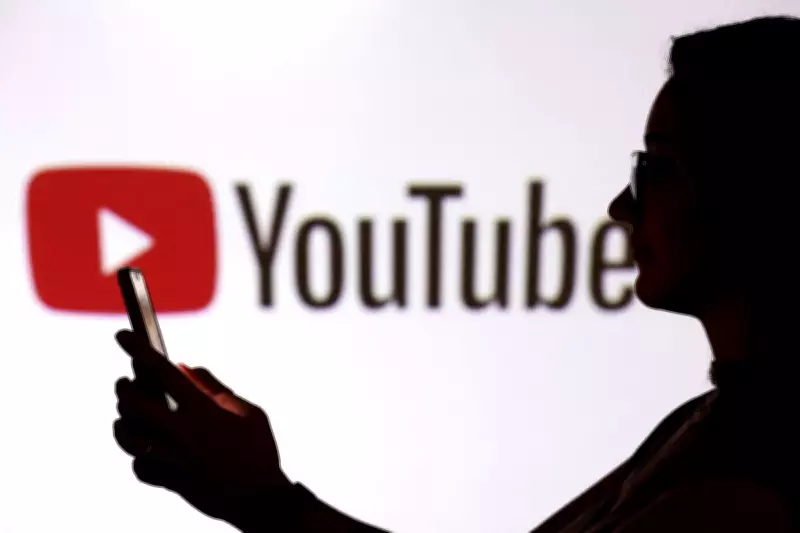
London's prestigious Victoria & Albert Museum has made a groundbreaking acquisition that brings digital history into its renowned collection. The museum has secured a meticulously reconstructed version of YouTube's original watchpage from 2005, offering visitors a unique opportunity to experience the dawn of online video sharing.
A Step Back in Time to Digital Beginnings
The acquisition features the complete recreation of YouTube's early interface alongside the platform's inaugural video upload. Titled "Me at the zoo," this historic 19-second clip was posted by YouTube co-founder Jawed Karim on 23 April 2005 and will become accessible to museum visitors from 18 February 2026.
Neal Mohan, chief executive at YouTube, emphasized the cultural significance of this preservation effort. "By reconstructing the original 2005 watchpage, we aren't just showing a video; we are inviting the public to step back in time to the beginning of a global, cultural phenomenon," he stated. "It is a proud moment to see this piece of digital history housed in the V&A where we hope it will inspire generations to come."

Cultural Impact and Design Legacy
The "Me at the zoo" video has achieved remarkable viewership statistics, accumulating nearly 380 million views and receiving over 18 million likes since its initial upload. Filmed using a basic digital camera, this seemingly simple clip marked a pivotal turning point in user-generated content, fundamentally reshaping how media could be created and consumed globally.
Beyond its content, this early YouTube iteration pioneered user interface design conventions that have since become standard across digital platforms. Features including badges, rating buttons, sharing tools, and recommendation systems were all introduced through this formative version of the video-sharing platform.
Museum's Vision for Digital Preservation
Corinna Gardner, senior curator of design and digital at the V&A, highlighted the broader implications of this acquisition. "This snapshot of YouTube during the early days of web 2.0 marks an important moment in history of the internet and digital design," she explained. "The acquisition opens new storytelling opportunities for us to showcase and explore the ways in which the internet has shaped our world, from the birth of mainstream video sharing platforms through to today's hyper visual world and the media and creator economy that go with it."
Gardner further noted that "the ability to work with YouTube to bring the early watchpage into the collection has enabled us to forge new ground in how we collect and preserve complex digital objects for the future."
Collaborative Reconstruction Process
The V&A collaborated extensively with YouTube to accurately rebuild the platform's original design and user experience. This detailed reconstruction was based on data from 8 December 2006 – the oldest timestamp documented online via The Internet Archive, a non-profit organization dedicated to stewarding internet history.
The intricate reconstruction process will be explored in a dedicated mini-display at V&A East Storehouse, providing visitors with insights into how digital artifacts are preserved for future generations.
Expanding Digital Collections
This significant addition to the V&A's holdings underscores the museum's ongoing commitment to collecting and preserving digital design artifacts. The YouTube reconstruction joins previous digital acquisitions including WeChat, the mobile game Flappy Bird, EUKI, and the mosquito emoji design, showcasing the institution's pioneering approach to documenting contemporary digital culture.
The acquisition represents a major step in recognizing internet platforms as legitimate subjects of cultural preservation, ensuring that future generations can understand the digital revolution that transformed global communication and entertainment.