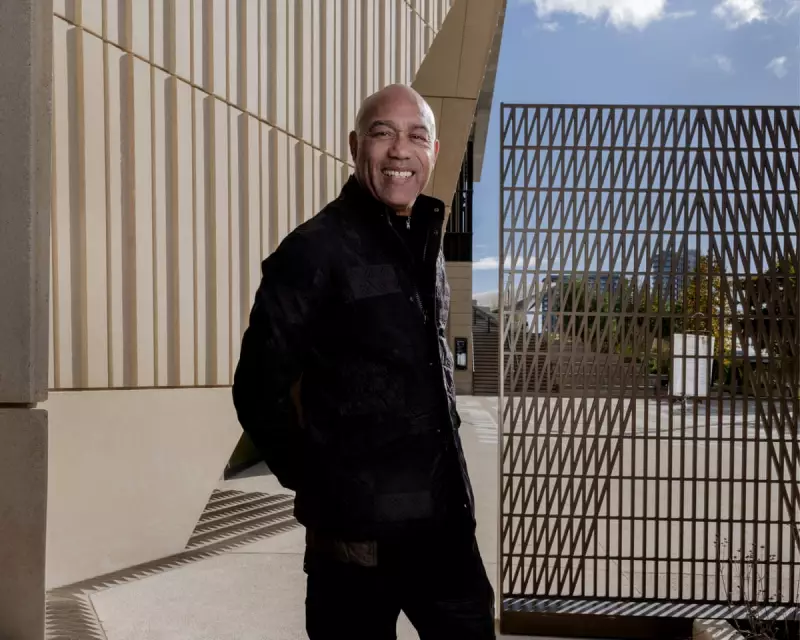
The Victoria and Albert Museum's ambitious new project, V&A East, is set to challenge traditional museum conventions under the visionary leadership of director Gus Casely-Hayford. Located in Stratford's Queen Elizabeth Olympic Park, this groundbreaking institution aims to become what Casely-Hayford describes as "unapologetically diverse" in both its collections and audience engagement.
A Museum for the Next Generation
Scheduled to open in 2025, V&A East represents a significant departure from traditional museum models. Casely-Hayford emphasises that the institution will specifically target Generation Z visitors who often feel disconnected from conventional cultural institutions. "We're not just building another museum," he explains, "we're creating a space where young people see their stories, their cultures, and their values reflected."
Radical Accessibility and Representation
The museum's approach includes several innovative strategies:
- Showcasing objects from across the V&A's vast collections that tell diverse, often overlooked stories
- Implementing flexible pricing and membership models to ensure financial accessibility
- Creating interactive, digital-first experiences alongside physical exhibitions
- Developing programming that directly involves local East London communities
Casely-Hayford notes that traditional museums have often failed to represent the full spectrum of British society. "Our collections will reflect the reality of contemporary Britain - diverse, dynamic, and constantly evolving," he states.
Building on East London's Creative Energy
The choice of location in Stratford is strategic, positioning the museum within one of London's most culturally vibrant and diverse areas. Casely-Hayford believes the energy of East London provides the perfect backdrop for this experimental approach to museum curation.
"East London has always been a crucible of creativity and cultural exchange," he observes. "By embedding ourselves here, we're acknowledging that the future of cultural institutions lies in engaging with contemporary urban life, not standing apart from it."
A New Model for Cultural Institutions
The V&A East project comes at a critical time for museums worldwide, as institutions grapple with questions of relevance, representation, and accessibility. Casely-Hayford's vision positions V&A East as a potential model for how museums might evolve to serve 21st-century audiences.
"This isn't about discarding tradition," he clarifies, "but about expanding what a museum can be. We're creating a space where everyone, particularly young people, feels they belong and that their stories matter."
With its ambitious goals and innovative approach, V&A East promises to redefine what visitors can expect from cultural institutions, potentially setting a new standard for museums seeking to engage with younger, more diverse audiences in the years to come.